

New!

QMT Commercial Insurance Brokers - Travel Insurance

Travel
Insurance

Travel Insurance Plane Icon

New! Travel Insurance

Motor Fleet Insurance

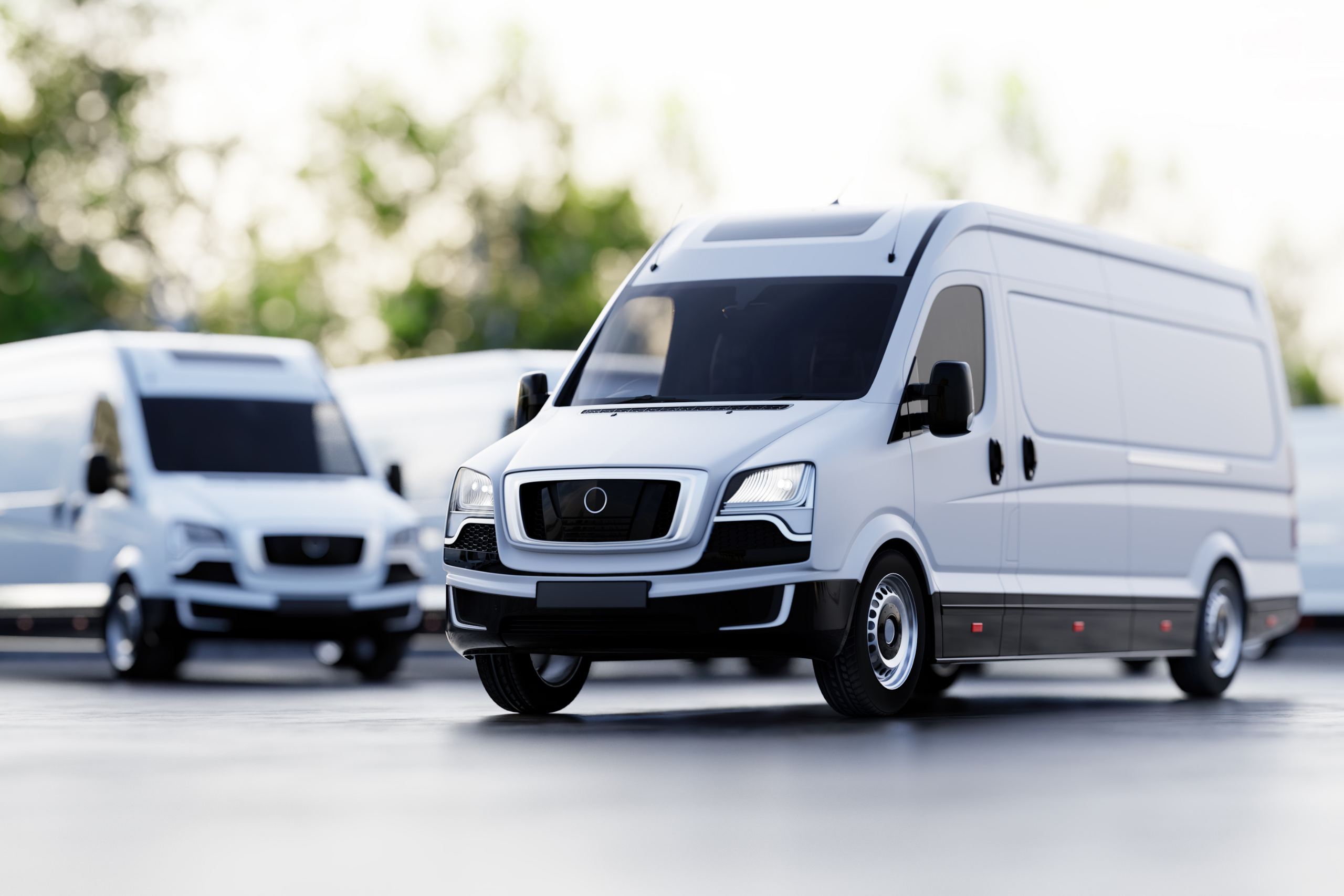
Managing a fleet is no small feat - and protecting it shouldn't be either. Fleet Insurance offers a streamlined way to safeguard all your vehicles under one policy, whether you're running a handful of vans or a nationwide network of HGVs.

Ready to talk? Give QMT Commercial a call on 01227 285 540 or complete our quote form to get the ball rolling.

Contact us Get a Quote Call us

What is Fleet Insurance?

Fleet Insurance is a type of motor insurance designed for businesses that operate multiple vehicles – whether they’re cars, vans, trucks or even motorbikes. Instead of insuring each vehicle individually, Fleet Insurance allows you to protect all your vehicles under a single, unified policy, cutting down on administrative hassle and potentially lowering your overall business motor insurance costs.

Why choose us for Fleet Insurance?

If your business relies on wheels, QMT Commercial will help keep them turning smoothly.

At QMT Commercial, we aim to make arranging your Fleet Insurance as stress-free as possible, with no hard sell and no confusing jargon. We’ll help you find suitable quotes that adequately fit your business activities to keep your business compliant and on the move. Whether you’re an insurance pro or arranging fleet cover for the first time, we’re here to guide you every step of the way. Plus, with 24/7 claims support from iRevolution Claims, you can report incidents quickly – they’ll even notify your insurer for you.

What’s more, our approachable team can support you with a broad range of business cover – from Goods in Transit to Public and Employer’s Liability, Commercial Property and more. We can help you manage your insurance needs under one roof, saving you time and hassle.

At QMT Commercial, as an independent insurance broker, we are free from ties to any single provider. This independence enables us to access an array of insurers and wholesale brokers, ensuring we can help secure the most suitable policies for your business requirements.

When choosing a new insurance broker, you’ll naturally want to hear about the experiences of other customers before you make your decision. Why not head over to our Trustpilot page to see for yourself why so many clients choose us for their business insurance, year after year.

For those who prefer not to pay their insurance policy in full, we can offer flexible payment options. You can choose to divide the total into two monthly instalments or use our third-party finance provider to spread the cost with convenient monthly direct debits.

QMT Commercial prides itself on its commitment to delivering excellent customer service. Our UK-based insurance advisors and support team are here to ensure your insurance needs are handled with precision and care, ready to assist you with any questions throughout the year.

As a commercial insurance broker, QMT Commercial are regulated by the Financial Conduct Authority (FCA), meaning that there is a strict code of practice we must abide by to ensure consumers are treated fairly at every stage of the financial services we help to arrange.

In the last 20+ years, QMT Commercial has built excellent relationships with a wide variety of insurers and wholesale brokers, meaning we can bring you some great deals on your business insurance, some of which you won’t be able to find on price comparison sites.

Business category Why Fleet Insurance is needed
Delivery & courier services Companies transporting parcels, food or goods daily
Construction & trades Builders, electricians, plumbers - anyone using vans or trucks for tools and materials
Logistics & haulage companies Operating HGVs, lorries or trailers across long distances
Sales & service teams Businesses with reps or technicians driving company cars
Public sector & charities Councils, schools and non-profits with transport fleets
Removals companies Operating HGVs, lorries or trailers to move a customer’s belongings from A to B

Do I need Fleet Insurance?

Fleet Insurance is ideal for any business or organisation that operates multiple vehicles for commercial use. Whether you’re running a small team with a few vans or managing a nationwide logistics operation, Fleet Insurance could simplify your cover and may save you money.

This table shows a snapshot of businesses that might rely on Fleet Insurance.

What vehicles can I add to
Fleet Insurance?

Fleet Insurance is surprisingly flexible – it can cover a wide range of vehicle types, as long as they’re used for business or commercial purposes.

Keep in mind that cover varies by insurer – some may exclude certain vehicle types such as forklift trucks, privately owned vehicles, modified models or motorcycles.

Here’s a breakdown of what you may be able to include:

Private cars

Vans

Motorcycles

Minibuses & buses

Large goods vehicles and heavy goods vehicles

Agricultural & forestry vehicles

Mechanical plant & special type vehicles

Trailers

QMT Commercial is a UK based, proudly independent insurance broker.

What are the main features of a Fleet Insurance Policy?

Fleet Insurance offers a smart solution for businesses managing multiple vehicles. With one set of documents, one renewal date and one claims line, it can cut down on policy admin and makes managing your insurance faster and more efficient.

Main Features

    • Safeguard a range of vehicles against accidents, theft, malicious damage and third-party liability, covering both injury and property claims
    • Suitable for a range of vehicles including private cars, vans, HGVs and more
    • Choose your level of protection: Third Party Only, Third Party Fire & Theft or Fully Comprehensive
    • Flexible policy options from Single Vehicle Fleet and Mini Fleet to Maxi Fleet
    • Choose your cover based on your operations – whether you’re transporting your own goods, working for hire and reward or using company private cars for business use
    • “Any driver” options allow great flexibility if you need to swap drivers at short notice
    • No Claims Bonus Discount available
    • 24/7 Claims Line, managed by our trusted partners at iRevolution Claims
    • Optional extras include UK or UK/EU Breakdown Cover, Excess Protection and Motor Legal Expenses Protection

Frequently asked questions...

Fleet Insurance is a type of motor insurance designed for businesses that operate multiple vehicles – whether they’re cars, vans, trucks, taxis or even motorbikes. Instead of insuring each vehicle individually, Fleet Insurance lets you cover all vehicles under one policy, streamlining management and often reducing costs.

Fleet Insurance offers a number of benefits that make it a smart choice for businesses managing multiple vehicles. Here’s how it can work in your favour:

Simplified administration
One policy covers all vehicles, meaning:

    • A single renewal date
    • One broker/insurer to deal with
    • Less paperwork and fewer chances of missing cover

Cost savings
Insurers often offer per-vehicle discounts when you insure multiple vehicles together. The more vehicles you add, the better the rate you may get.

Flexibility with drivers
Options like “any driver” policies allow any qualified employee to drive any vehicle in the fleet. This is especially useful for businesses with high staff turnover or managing holiday and sickness cover.

Cover to suit your business activities
Whether you’re travelling to client meetings, transporting goods or carrying hazardous materials, you can select the vehicle use you need to help ensure you’re protected if there’s an incident.

Claims efficiency
Fleet policies often use a Confirmed Claims Experience (CCE) system, which looks at the fleet’s overall claims history rather than individual drivers. This can help avoid premium hikes due to one-off incidents.

Scalability
Easily add or remove vehicles as your business grows or changes, without needing to renegotiate individual policies.

No Claims Discounts (NCD) across fleet
If your fleet maintains a good driving record, you can benefit from discounted rates, which can significantly reduce premiums over time.

Fleet Insurance isn’t just about convenience – it’s a strategic move for businesses that want to save money, reduce admin hassle, and stay flexible. If you’re managing two or more vehicles, it’s definitely worth considering.

Third Party Only (TPO)

  • Legal minimum required to operate a vehicle on UK roads.
  • Covers damage or injury caused to other people, vehicles or property.
  • Does not cover your own vehicle or personal injuries.

Third Party, Fire & Theft (TPFT)

  • Includes all the benefits of Third Party Only.
  • Adds cover for your vehicle if it’s stolen or damaged by fire.

Comprehensive

  • Includes everything in TPFT.
  • Also covers damage to your own vehicle, even if you’re at fault.
  • Can sometimes include extras like windscreen cover, personal accident and legal expenses, depending on the provider.

Fleet Insurance offers a broad range of cover designed for businesses that operate multiple vehicles. Here’s a breakdown of what it typically includes (subject to the cover level you choose):

Vehicle damage

  • Accidental damage (e.g. collisions, road incidents)
  • Fire damage
  • Theft or attempted theft
  • Vandalism or malicious damage

Third-party liability

  • Injury to other road users
  • Damage to third-party property
  • Legal costs arising from claims

Driver protection

  • Flexible “Any Driver” cover which allows any licensed driver approved by your business to operate the fleet vehicles
  • Personal accident cover (optional)
  • Medical expenses (depending on policy)

Breakdown assistance (optional extra or standalone policy)

  • Roadside recovery
  • UK-only or UK/EU cover depending on your needs

Fleet Insurance is ideal for any business or organisation that operates multiple vehicles for commercial use. Whether you’re running a small team with a few vans or managing a nationwide logistics operation, Fleet Insurance could simplify your cover and may save you money.

Here’s a snapshot of businesses that might rely on Fleet Insurance

Delivery & courier services
Companies transporting parcels, food or goods daily

Construction & trades
Builders, electricians, plumbers – anyone using vans or trucks for tools and materials

Logistics & haulage companies
Operating HGVs, lorries or trailers across long distances

Sales & service teams
Businesses with reps or technicians driving company cars

Public sector & charities
Councils, schools and non-profits with transport fleets

Removals companies
Operating HGVs, lorries or trailers to move a customer’s belongings from A to B.

Fleet Insurance is surprisingly flexible – it can cover a wide range of vehicle types, as long as they’re used for business or commercial purposes. Here’s a breakdown of what you can typically include:

Private cars
Company cars for sales teams, executives or general use

Vans
Ideal for tradespeople, delivery services or mobile technicians

Motorcycles
Often used by couriers or rapid-response services

Large Goods Vehicles (LGVs) and Heavy Goods Vehicles (HGVs)
Lorries, HGVs and articulated trucks for haulage

Minibuses & buses
Used by schools, charities or transport services

Agricultural & forestry vehicles
Tractors, harvesters and off-road machinery

Mechanical plant & special type vehicles
Cranes, diggers and other construction equipment

Trailers
Often covered as an extension to the main policy

Keep in mind that cover varies by insurer – some may exclude certain vehicle types such as forklift trucks, privately owned vehicles, modified models or motorcycles.

You can add as few or as many vehicles as your policy allows – this number can vary hugely from insurer to insurer.

Most insurers typically require between three and five vehicles to qualify for a Mini Fleet policy, depending on the nature of the business and the types of vehicles used. However, some providers offer policies starting with just two vehicles – and in some cases, even single-vehicle fleet options are available.

Maxi Fleet policies can cover larger fleets (e.g. 100+ vehicles) and are commonly used by logistics firms or public transport providers.

Fleet Insurance is built with flexibility in mind, offering cover for a broad spectrum of vehicle uses – provided they’re part of your business activities. Here’s a breakdown of the uses you can typically choose from:

Business use
Day-to-day operations like visiting clients, transporting goods or traveling between job sites.

Commercial use
Vehicles used for revenue-generating activities such as deliveries or haulage.

Carriage of own goods
Transporting tools, equipment or materials for your own business (e.g. builders, electricians).

Carriage of goods for hire or reward
Delivering goods for clients – common in courier and logistics businesses.

Pool vehicles
Shared company vehicles used by multiple employees.

Salary sacrifice or company cars
Vehicles provided to employees as part of their benefits package.

Please note that there may be uses that are excluded under the terms of your Fleet policy, such as specialist vehicles and employee-owned vehicles used for work purposes.

It’s important to clearly define how each vehicle is used to avoid gaps in cover which could cause issues should a claim arise.

HGV Fleet Insurance policies are available for businesses who operate multiple Heavy Goods Vehicles (HGVs). This type of policy can cover fleets of trucks, lorries or other large commercial vehicles that exceed 3.5 tonnes in gross weight.

Yes, you might need an operator’s licence, but it depends on the type of vehicles in your fleet and how they’re used.

If your fleet includes goods vehicles over 3.5 tonnes and you’re using them to transport goods for hire or reward, then you must hold an operator’s licence. This is a legal requirement in the UK, regulated by the Traffic Commissioners for Great Britain. You may also need an operator’s licence if you carry your own goods.

There are three types:

Restricted licence
For transporting your own goods only.

Standard national licence
For carrying goods for hire or reward within Great Britain.

Standard international licence
For operating across UK and abroad.

Refer to the Gov.uk website for details: https://www.gov.uk/guidance/goods-vehicle-operator-licensing-guide

Most UK Fleet Insurance policies can cover driving in the EU, but the level of cover can vary depending on your insurer and the specific terms of your policy.

By law, all UK vehicle insurance provides the minimum third-party liability cover required to drive in EU countries, plus places like Iceland, Norway, Switzerland and others.

Some fleet policies extend full comprehensive protection (e.g. theft, damage) while driving in the EU, but this isn’t guaranteed. You’ll need to confirm with your insurer.

Be aware that there may be limits on how long your vehicles can be abroad (e.g. 90 days per trip) and you will need to make sure all drivers are authorised to operate vehicles internationally under your policy.

If your fleet frequently operates overseas, it’s important to consider whether your policy includes European breakdown assistance, access to a replacement vehicle while abroad and a streamlined claims process for incidents that occur outside the UK.

Transferring a No Claims Bonus (NCB) to a Fleet Insurance policy can be possible, but it depends on the specific circumstances and your insurer’s criteria.

For instance, if you’ve finished a private car policy and are now starting a fleet policy that includes that same vehicle, your existing NCB may be transferable. Similarly, if you’ve sold or scrapped a vehicle and are replacing it with a like-for-like model, your NCB might be able to be applied to the new addition at the start of your fleet policy.

However, not all insurers offer NCB-rated fleet policies. Some rely instead on Confirmed Claims Experience, which assesses your previous Fleet Insurance history rather than individual NCB records.

Keep in mind that certain conditions may apply. For example, if you are starting a company fleet policy, any incoming NCB needs to be in the name of a company director to be considered valid.

Most Fleet Insurance policies offer flexibility when it comes to drivers, but there are key eligibility rules:

Employees with valid licences
Typically, any employee with a full UK driving licence and company authorisation can drive.

Named drivers
Some policies require drivers to be specifically named, especially if they’re under 25 or have limited experience.

“Any driver” cover
Many businesses opt for this to simplify operations. It allows any authorised driver over a certain age (often 21, 25 or 30) to drive any vehicle in the fleet. Handy if you have to swap drivers regularly due to staff absence, holiday or turnover.

Temporary or contract workers
These may be covered if explicitly authorised, but insurers often require vetting or prior approval.

Restrictions to watch for

Age limits
Some insurers won’t cover drivers under 25 without special terms, often enforcing an increased excess in the event of a claim.

Driving history
Drivers with recent convictions, bans or poor claims history may need to be named on the policy or might be excluded from cover.

Licence type
Drivers must hold the correct licence for the vehicle class (e.g. HGV).

Fleet Insurance policies in the UK offer flexibility, but they also come with driving restrictions to manage risk and ensure compliance. These restrictions vary by insurer, but here’s a breakdown of what you might encounter:

Age restrictions

  • Some insurers exclude drivers under 25 or apply higher premiums.
  • Some policies may set a minimum age of 30 for high-value or specialist vehicles.

Licence and experience requirements

  • Drivers must hold a valid UK driving licence appropriate for the vehicle type.
  • Insurers may require a minimum number of years’ driving experience, especially for larger or commercial vehicles.

Named vs. “any driver” cover

  • Named driver policies restrict cover to individuals listed on the policy.
  • Any authorised driver policies allow broader access, but often with conditions:
    • Age and experience thresholds
    • Clean driving record (or they may need to be named on the policy)
    • Employer authorisation

Driving history restrictions

  • Drivers with recent convictions, bans or poor claims history may be excluded.
  • Insurers may require disclosure of any motoring offences or penalty points so that the driver can be named on the policy, which could affect the premium.

To drive under a Fleet Insurance policy, your drivers must hold a valid UK driving licence that matches the type of vehicle they’ll be operating. But there’s more to it than just having a licence – insurers look at several factors to determine eligibility.

Standard cars & vans
Category B

Minibuses (9–16 seats)
Category D1 (with CPC if hired)

HGVs (over 3.5 tonnes)
Category C or C+E (plus CPC)

Motorbikes
Category A

* CPC = Certificate of Professional Competence (required for commercial driving of larger vehicles)

Yes, you can often include young or less experienced drivers on your Fleet Insurance policy, but it may lead to:

  • Higher premiums as these drivers are considered a higher risk
  • Possible increased excess charges should a younger or less experienced driver be involved in an accident claim
  • Stricter terms or exclusions
  • A named driver requirement may be required as these drivers may be excluded from an “Any Driver” clause
  • Additional documentation may be required from you such as a copy of the driver’s licence and DVLA check code.

There are often optional cover features that you can include within your fleet policy, as well as a range of separate add-ons designed to enhance your cover.

Common optional and add-on covers

Breakdown Cover
Roadside assistance and recovery for vehicles in your fleet.

Legal Expenses Insurance
Can covers legal costs arising from motoring disputes, accidents or claims.

Windscreen and Glass Cover
Protects against damage to windscreens and windows (this may be covered under the terms of your fleet policy)

Other commercial products

You may also wish to consider other commercial insurance policies to help protect your business, such as:

Goods in Transit Insurance
Ideal for courier or haulage fleets. Covers loss or damage to cargo while being transported.

Public Liability Insurance
Covers claims made by third parties for injury or property damage.

Employers’ Liability Insurance
A legal requirement in the UK if you employ staff. Covers injury or illness claims made by employees.

The cost of Fleet Insurance can vary widely depending on several key factors – some you can control and others you’ll need to manage strategically. Here’s a breakdown of what insurers look at when calculating your premium:

Fleet size and vehicle type

  • More vehicles = higher exposure, but also potential for bulk discounts.
  • High-value or specialist vehicles (e.g. HGVs, refrigerated vans) tend to cost more to insure.

Driver profiles

  • Age, experience and driving history of your drivers play a major role.
  • Young or less experienced drivers typically increase premiums.
  • A clean driving record across your fleet helps reduce costs.

Claims history

  • A strong Confirmed Claims Experience (CCE) can lead to lower premiums.
  • Frequent or high-value claims will push costs up – sometimes dramatically.

Vehicle use

  • Long-distance haulage, multi-drop delivery or high-mileage operations are seen as higher risk.
  • Fleets used for hire or reward (e.g. couriers) often attract higher premiums.

Level of cover

  • Comprehensive cover costs more than third-party only.
  • Add-ons like breakdown cover or legal expenses will increase the premium.

Risk management practices

  • Use of telematics, driver training and regular vehicle maintenance can help to reduce costs.
  • Insurers often reward proactive safety measures with better rates.

Location and operating area

  • Operating in urban areas or theft hotspots can raise premiums.
  • International operations may require additional cover, impacting cost.

Market conditions

  • Rising repair costs, inflation and vehicle theft trends have pushed premiums up across the UK.
  • Advanced vehicle tech (like ADAS) makes repairs more expensive – even for minor damage.

Fleet Insurance can be a major expense, but there are smart ways to make savings without compromising protection.

Increase your excess

  • Opting for a higher excess means you take on more risk, but it can dramatically lower your premium and may be a smart option if you don’t claim often.

Improve driver behaviour

  • Targeted training and monitoring can help to reduce accidents and claims.
  • Use telematics, driver profiling and post-incident interviews to identify risky habits.

Install dashcams and telematics

  • Dashcams help defend against fraudulent claims (like crash-for-cash scams).
  • Telematics provide data to insurers showing safer driving, which may lead to discounts over time.

Build a risk management strategy

  • Analyse your claims history and implement safety measures.

Consider hybrid driver policies

  • “Named driver” policies are normally cheaper than “any driver” ones.
  • A hybrid approach – named drivers for high-risk vehicles and any-driver for others – can balance cost and flexibility.

Use a broker

  • Avoid the temptation to auto-renew your Fleet Insurance just for convenience. Instead, partner with a broker who will actively review your policy each year to ensure you’re still getting good value. If your current insurer isn’t delivering, they’ll help you to switch, because loyalty shouldn’t come at a premium.

You can often unlock significant savings on your Fleet Insurance by investing in telematics and vehicle security enhancements. Insurers are increasingly rewarding fleets that demonstrate proactive risk management. Here’s how it works:

Telematics: smarter driving, lower premiums
Telematics systems track driving behaviour in real time – speed, braking, cornering and more. This data helps insurers assess actual risk rather than relying on generalised assumptions.

  • Many UK insurers offer a discount just for installing telematics devices.
  • Safer driving over time can lead to further reductions at renewal.
  • Telematics can help to significantly reduce accident rates, thanks to driver coaching and alerts.
  • Monitoring vehicle health helps prevent breakdowns.

Security upgrades: theft prevention pays off
Enhanced security measures – like GPS tracking, geo-fencing and remote immobilisation – can dramatically reduce theft risk.

  • Vehicles with GPS trackers are less attractive to thieves and easier to recover if stolen.
  • Get notified if a vehicle leaves a designated area, adding another layer of control.
  • Some systems allow you to disable a stolen vehicle remotely, reducing total loss claims.

Confirmed Claims Experience (CCE) is your fleet’s insurance claims record – it’s an official document from your insurer that details your claims history over a set period, usually the past 3 to 5 years. It’s essential when renewing or switching Fleet Insurance, and it can directly impact your premium. Think of it as the fleet version of a no-claims bonus.

What’s included in a CCE?

  • Number of vehicles insured (measured in “vehicle years”)
  • List of all claims: dates, types (accident, theft, liability) and status (settled, pending)
  • Financial breakdown: how much was paid or reserved for each claim
  • Claims frequency: how often claims occur relative to fleet size
  • Claims ratio: total claims cost vs. total premium paid

Why it matters

  • A clean or low-claim history can attract better rates
  • Insurers use it to evaluate how risky your fleet is to insure
  • A strong CCE gives you bargaining power when comparing quotes

Fleet policies in the UK typically do not typically earn traditional No Claims Bonus (NCB) like personal car insurance does – but that doesn’t mean you’re out of luck when it comes to rewards for safe driving.

Why Fleet policies don’t use standard NCB

  • Fleet Insurance covers multiple vehicles under one policy, so tracking individual driver claims isn’t always practical.
  • Instead of NCB, insurers rely on your Confirmed Claims Experience (CCE) – a detailed record of your fleet’s claims history over time.

How you can still benefit

  • Low claims frequency and a clean CCE can lead to lower premiums and better renewal terms.

Not necessarily – and in many cases, Fleet Insurance could be more cost-effective than insuring vehicles individually. If your fleet is well-managed and has a clean claims record, Fleet Insurance has the potential to unlock serious savings.

Here’s how the comparison stacks up:

Fleet Insurance: bulk value, streamlined costs

Economies of scale
Insurers often offer bulk discounts when you cover multiple vehicles under one policy.

Simplified admin
One renewal date, one premium one point of contact – saving time and reducing overheads.

Risk pooling
Insurers assess the overall risk of the fleet, which can lead to better pricing if your claims history is strong.

Flexible cover
You can often mix vehicle types and levels of cover within the same policy, which isn’t possible with individual plans.

Individual policies: more control, less efficiency

Individual pricing
Each vehicle is assessed separately, which can be cheaper for low-risk vehicles – but may be more expensive overall.

Higher admin burden
Multiple policies may mean juggling different renewal dates, insurers and claims processes.

Limited flexibility
You may need to assign specific drivers to specific vehicles, which can be restrictive.

We understand that managing cash flow is important, which is why we offer flexible ways to pay for your Fleet Insurance policy. If you’d prefer not to pay the full amount in full, you can opt for a 50% deposit, with the remaining balance due 28 days after your policy begins – giving you time to spread the cost.

Alternatively, if monthly budgeting works better for your business, our third-party premium finance provider can offer convenient direct debit payments, allowing you to split the cost into manageable instalments (interest rates apply so this is more expensive than paying in full or in two instalments, please speak with our team for details).

The easiest way to get started is by calling our friendly commercial insurance advisors. They’ll walk you through the details our panel of insurers need to provide a quote and answer any questions you may have along the way.

Call us

Head Office
01227 285 540

Ashford Branch
01233 222 562

Prefer to start by email? No problem – just drop us a message at quotes@quotemetoday.co.uk and we’ll get back to you promptly.

QMT Commercial - Call us today