

New!

QMT Commercial Insurance Brokers - Travel Insurance

Travel
Insurance

Travel Insurance Plane Icon

New! Travel Insurance

Special Types Vehicle Insurance

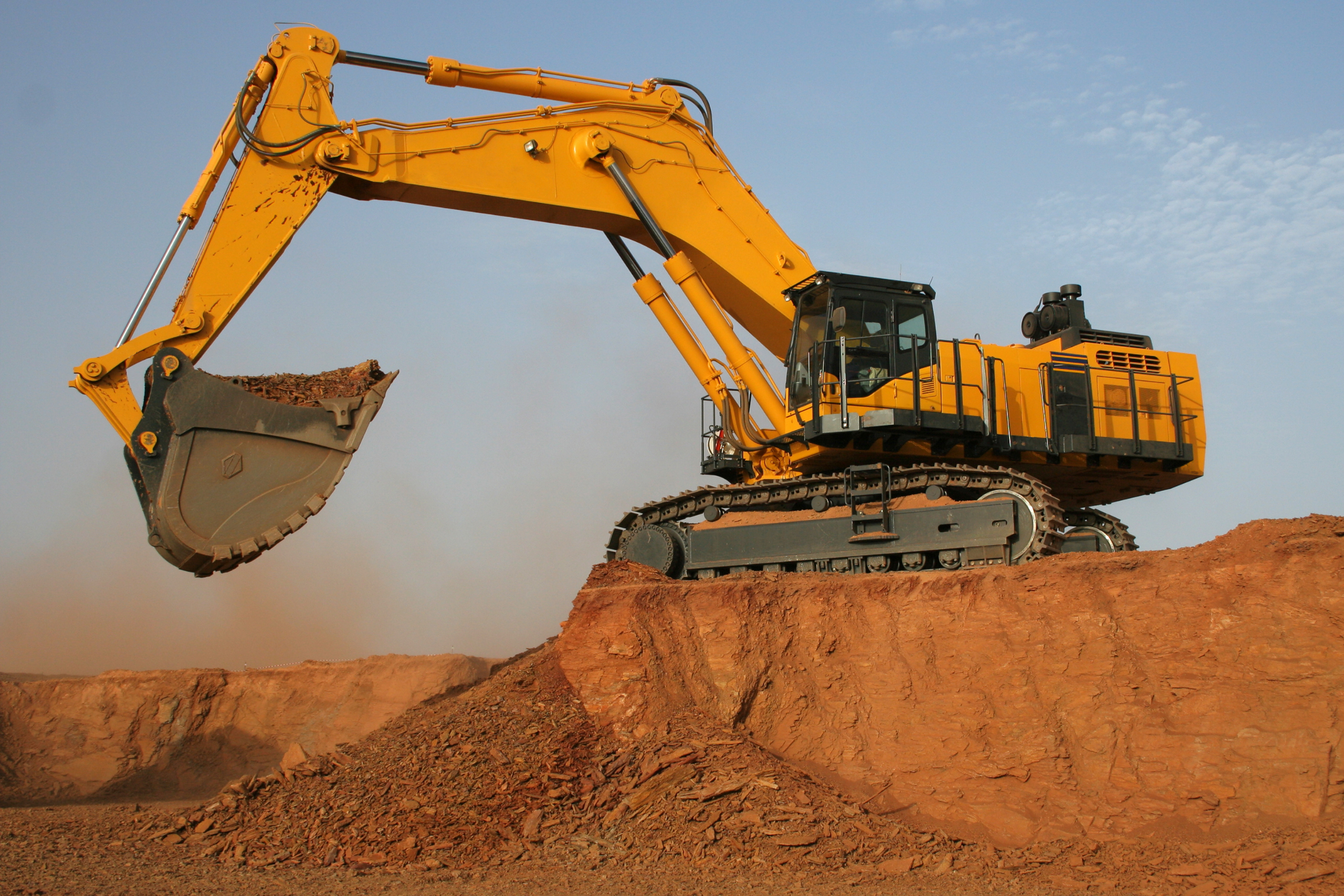
Not all vehicles fit the everyday mould - and neither should their insurance. Whether you’re driving a digger on a construction site, operating a cherry picker at dizzying heights or even have a mobile coffee van, Special Types Vehicle Insurance is built to cover the quirks, risks and realities of the job. This is protection with purpose - designed for the machines that keep your world moving.

We’re ready when you are! If you have any queries about Special Types Vehicle Insurance or would like a quote, call us on 01233 222 562 or use our quote form to get things moving.

Contact us Get a Quote Call us

What is Special Types Vehicle Insurance?

Special Types Vehicle Insurance is designed for vehicles that fall outside the standard car or van category – think bulldozers, cranes, forklifts and other specialist machinery used in construction or industrial settings. It also extends to the more eccentric end of the spectrum, such as party buses, ice cream vans and other quirky or modified vehicles that need protection.

Why choose us for Special Types Vehicle Insurance?

From tippers to tuk-tuks, we’re here to help

At QMT Commercial, our commercial insurance advisors live and breathe business vehicle cover. Whether you’re insuring an excavator, a food truck, or something totally out of the ordinary, chances are they’ve seen it before. That hands-on experience helps them to match you with an insurer who understands your needs, even if your vehicle is a little unconventional.

At QMT Commercial, as an independent insurance broker, we are free from ties to any single provider. This independence enables us to access an array of insurers and wholesale brokers, ensuring we can help secure the most suitable policies for your business requirements.

When choosing a new insurance broker, you’ll naturally want to hear about the experiences of other customers before you make your decision. Why not head over to our Trustpilot page to see for yourself why so many clients choose us for their business insurance, year after year.

For those who prefer not to pay their insurance policy in full, we can offer flexible payment options. You can choose to divide the total into two monthly instalments or use our third-party finance provider to spread the cost with convenient monthly direct debits.

QMT Commercial prides itself on its commitment to delivering excellent customer service. Our UK-based insurance advisors and support team are here to ensure your insurance needs are handled with precision and care, ready to assist you with any questions throughout the year.

As a commercial insurance broker, QMT Commercial are regulated by the Financial Conduct Authority (FCA), meaning that there is a strict code of practice we must abide by to ensure consumers are treated fairly at every stage of the financial services we help to arrange.

In the last 20+ years, QMT Commercial has built excellent relationships with a wide variety of insurers and wholesale brokers, meaning we can bring you some great deals on your business insurance, some of which you won’t be able to find on price comparison sites.

Business Category Description
Construction companies Covers site-to-site transport and working risk
Industrial & engineering firms Important for vehicles operating in hazardous environments
Haulage & logistics businesses Required for abnormal loads or STGO vehicles
Event & hospitality operators Covers modified interiors and specialist fittings
Healthcare organisations Includes protection for custom interiors and specialised equipment installations

Who needs Special Types Vehicle Insurance?

Special Types Vehicle Insurance is essential for anyone operating non-standard vehicles that fall outside typical car or van categories. If your vehicle is built for a specific task or modified beyond standard specs, this insurance is likely a must. Here’s who typically needs it:

Which vehicles need
Special Types Vehicle Insurance?

When it comes to protecting your investment on the road, certain vehicles require specialised insurance cover tailored to their unique features and risks. Below is a list of common vehicle types that often need Special Types Vehicle Insurance policies:

Construction vehicles

Forklifts

Road sweepers

Party buses

Food trucks & ice cream vans

Health and mobile testing vehicles

QMT Commercial is a UK based, proudly independent insurance broker.

What are the main features of a Special Types Vehicle Insurance Policy?

By choosing a Special Types Vehicle Insurance policy, you can have the confidence that your unique vehicle is covered. Here are the key features that make it stand out from basic vehicle insurance (dependent on level of cover).

Main Features

    • Many types of commercial and industrial vehicles considered such as sweepers, tippers, forklifts, cherry pickers, diggers, ice cream vans, mobile coffee vans and tuk tuks
    • Can cover electric vehicles
    • Can cover modified and bespoke build vehicles
    • Can cover a variety of vehicle weights
    • Cover starts from one vehicle to a fleet of special types vehicles
    • Protects against accidents, theft and malicious damage to your vehicle
    • Third party property damage
    • Named drivers or “any driver” for Special Types Fleet policies
    • Windscreen cover may be included
    • EU use (optional on referral)
    • Breakdown cover (optional)
    • No Claims Discount available
    • 24/7 Claims Line, managed by our trusted partners at iRevolution Claims

Frequently asked questions...

Special Types Vehicle Insurance is designed for vehicles that fall outside the standard car or van category - think bulldozers, cranes, forklifts and other specialist machinery used in construction or industrial settings. It also extends to the more eccentric end of the spectrum, such as party buses, ice cream vans and other quirky or modified vehicles that need protection.

Special Types Vehicle Insurance offers protection that matches the unique risks and uses of specialist machinery and modified commercial vehicles. Whether you're on-site, off-road or renting a pitch, this insurance is built to keep you covered where it counts. Here are the typical features and benefits of Special Types Insurance (subject to cover level):

Vehicle damage

  • Accidental damage (e.g. collisions, road incidents)
  • Fire damage – important as construction and special types vehicles may be more at risk due to the possibility of nearby combustibles and machinery
  • Theft or attempted theft – some special types vehicles may be particularly attractive to criminals
  • Vandalism or malicious damage

Third-party liability

  • Injury to other road users
  • Damage to third-party property

Driver and passenger protection

  • Named driver cover, giving you greater control over risk management and potentially lowering your premium by assigning more experienced drivers to your vehicles
  • Construction and Special Type Fleet policies can offer flexible “Any driver” cover, allowing multiple operators to use insured vehicles without being individually named

Additional cover

  • Covers a wide range of special types vehicles with policies built around your vehicle’s unique use and risk profile, not a one-size-fits-all approach
  • EV charging cable liability when vehicle is being charged helps to protect modern Electrical special types vehicles
  • EU use considered – particularly useful for catering vehicles working at overseas festivals
  • Asbestos, explosive risks and hazardous loads considered, giving you peace of mind for your high-risk activities

Third Party Only (TPO)

  • Legal minimum required to operate a vehicle on UK roads.
  • Covers damage or injury caused to other people, vehicles or property.
  • Does not cover your own vehicle or personal injuries.

Third Party, Fire & Theft (TPFT)

  • Includes all the benefits of Third Party Only.
  • Adds cover for your vehicle if it’s stolen or damaged by fire.

Comprehensive

  • Includes everything in TPFT.
  • Also covers damage to your own vehicle, even if you’re at fault.
  • Can sometimes include extras like windscreen cover, personal accident and legal expenses, depending on the provider.

Laid-up Cover

  • For vehicles not in use and kept off-road.
  • Covers fire, theft, and accidental damage while in storage.
  • Useful for seasonal machinery or vehicles awaiting repair.

Working Risk Cover

  • Optional add-on for vehicles used in hazardous environments like construction sites.
  • Covers damage while the vehicle is operating, not just in transit.

Windscreen cover is not always included in Special Types Vehicle Insurance by default - it depends on your provider and the level of cover you choose.

  • Comprehensive policies often include windscreen cover as standard, especially for vehicles that operate on public roads.
  • Third-party or third-party, fire & theft policies may exclude windscreen cover, but you may be able to add this as an optional extra.

If your vehicle has large or specialist glass panels - like those on cherry pickers or cranes - make sure your policy specifically mentions windscreen or glass cover.

Special Types Vehicle Insurance is essential for anyone operating non-standard vehicles that fall outside typical car or van categories. If your vehicle is built for a specific task or modified beyond standard specs, this insurance is likely a must. Here’s who typically needs it:

Construction companies

  • Diggers, excavators, cherry pickers, cranes and dumpers
  • Covers site-to-site transport and working risk

Industrial & engineering firms

  • Forklifts, mobile plant, tar sprayers and road sweepers
  • Especially important for vehicles operating in hazardous environments

Haulage & logistics businesses

  • Tower wagons, low loaders and lorry-mounted equipment
  • Required for abnormal loads or STGO (Special Types General Order) vehicles

Event & hospitality operators

  • Ice cream vans, party buses, catering trucks
  • Covers modified interiors and specialist fittings

Healthcare organisations

  • Emergency vehicles, mobile testing centres
  • Includes protection for custom interiors and specialised equipment installations

Farmers, agricultural operators, forestry & land management

  • Tractors, combine harvesters, ATVs, telehandlers, log loaders, mulchers, and specialist terrain vehicles
  • Often used off-road but may require road cover for transport
  • May be covered under an Agricultural Vehicle Insurance policy or Special Types Vehicle Insurance policy

If your vehicle is modified and falls outside standard classifications - such as agricultural, construction or plant machinery - you may need Special Types Vehicle Insurance or a modified vehicle policy that covers the use and alterations.

What counts as a modification?

A vehicle is considered modified if it has been altered from its original factory specifications. This includes:

  • Performance upgrades: Engine tuning, suspension changes, turbochargers
  • Cosmetic changes: Body kits, paint jobs, alloy wheels
  • Safety enhancements: Parking sensors, upgraded lighting
  • Structural alterations: Conversions for off-road use, added equipment like cranes or winches

Even minor changes like upgraded infotainment systems or tinted windows can count as modifications.

When Special Types Insurance applies

You’ll likely need Special Types Insurance if:

  • The vehicle is non-standard (e.g. tractor, digger, cherry picker, road roller)
  • It’s used for specialist work (e.g. farming, construction, municipal services)
  • It’s not covered under standard car, van or commercial vehicle insurance
  • The modifications make it unsuitable for regular road use or require specific licensing

If your modified vehicle is still road-legal and used like a standard car or van, you may only need modified car insurance, not Special Types Insurance.

What to tell your broker

  • Declare all modifications: Failing to do so can invalidate your policy.
  • Describe the vehicle’s use: Whether it’s for private land, public roads or commercial work.
  • Provide documentation: Photos, receipts and technical specs help insurers assess risk.

Insurance options

  • Modified Vehicle Insurance: For cars and vans with performance or cosmetic changes.
  • Special Types Insurance: For specialist vehicles like diggers, tractors or plant machinery.
  • Combined policies: Some insurers offer hybrid cover for modified vehicles used in specialist roles.

Some insurers provide cover for shows. However they may require additional cover or specific endorsements for exhibition use.

What “show cover” typically includes

  • Static display cover: Protects your vehicle while it’s parked or exhibited at a show, including accidental damage or theft.
  • Transit cover: Covers your vehicle while being transported to and from the event.
  • Public liability insurance: Covers injury or damage to third parties caused by your vehicle or its display setup - often required by event organisers.
  • Laid-up cover: If your vehicle is not road-registered or driven, laid-up insurance may apply while it’s on display.

What might not be covered

  • Driving at the event: If your vehicle is driven during the show (e.g. parade laps or demonstrations), standard Special Types Insurance may not apply unless explicitly extended.
  • Commercial use: If you’re paid to exhibit or hire out the vehicle (e.g. weddings, promotional events), you may need a commercial or hire-and-reward policy.
  • Track or performance use: Driving on tracks or engaging in timed events usually requires separate motorsport or track day insurance.

You can insure hazardous loads, but not all Special Types Vehicle Insurance policies automatically include this cover. You’ll typically need a tailored hazardous goods insurance policy or an add-on specifically designed for transporting dangerous materials.

Hazardous loads might include:

  • Flammable liquids or gases
  • Toxic chemicals
  • Explosives
  • Radioactive materials
  • Biological substances (e.g. blood, organs)

These materials pose elevated risks and are subject to strict transport regulations under ADR (European Agreement concerning the International Carriage of Dangerous Goods by Road).

Insurance options for hazardous loads:

Dedicated Hazardous Goods Vehicle Insurance:

  • Covers the vehicle and its cargo while transporting dangerous goods.
  • Includes public liability, environmental liability and clean-up costs.
  • Often required for vehicles carrying high-risk materials on public roads.

Special Types Insurance with Hazardous Load Add-On:

  • Some insurers allow hazardous load cover as an extension to a Special Types policy.
  • Must be declared at the time of quote or renewal.
  • May require additional documentation or driver certification.

Custom Commercial Vehicle Policies:

  • Some insurers offer cover for specialist vehicles and loads, including hazardous cargo.

 Requirements to qualify

  • Driver certification: ADR training and licence endorsements may be mandatory.
  • Vehicle compliance: Must meet safety standards for containment and signage.
  • Route planning: Some insurers require pre-approved routes or restricted zones.

Tips for getting covered

  • Be transparent: Fully disclose the type and quantity of hazardous materials.
  • Consider policy packages: Combining vehicle, cargo and liability cover might help you to benefit from better rates than buying each product separately.
  • Review exclusions: Check the policy doesn’t exclude specific substances or transport methods.

You may benefit from a Special Types Fleet Insurance policy if you operate multiple non-standard commercial vehicles. Fleet policies help to reduce paperwork, streamline policy administration and may be more cost-effective than insuring the vehicles separately.

EU cover may be included but it depends on your provider and the level of cover you’ve chosen.

Most UK motor insurance policies include basic third-party cover for driving in EU countries as standard. However, with Special Types Vehicle Insurance, this isn’t always guaranteed - especially for vehicles like diggers and cherry pickers that aren’t typically used for personal travel.

If your policy is comprehensive, you may need to add Foreign Use cover to maintain the same level of protection abroad. You should also check whether your breakdown policy extends to the EU.

If you've built up a No Claims Bonus (NCB) on a previous Special Types Insurance policy, you may be able to carry it over to a new one - especially if you're insuring the same vehicle again or replacing it with a similar type (e.g. after selling or scrapping the original).

However, transferring NCB from a different vehicle type may not be permitted. That said, some insurers may offer an introductory discount if you have a clean driving record, even without a transferable NCB.

The drivers you can have on your Special Types Vehicle Insurance policy depends on how your cover is set up, but here’s the general breakdown:

Named driver cover

  • Only the individuals specifically listed on your policy can operate the vehicle.
  • Ideal for businesses with a small, consistent team.

Any driver cover

  • Allows any qualified driver to operate the vehicle, often with age restrictions (e.g. 25+ or 16+ for agricultural use).
  • Great for farms, construction sites or logistics teams with rotating staff.

Young driver inclusion

  • Some insurers offer cover for drivers as young as 16, especially for agricultural vehicles like tractors or ATVs.
  • Cover may require additional conditions like supervision or restricted road use.

Business use

  • Drivers must be employees or contractors of the insured business.
  • Some policies may require proof of employment or training for specialist machinery.

Things to watch for

  • Licence type: Drivers must hold the correct licence for the vehicle class (e.g. HGV, agricultural or plant operator certification).
  • Experience requirements: Some insurers require a minimum number of years driving or operating similar machinery.
  • Territorial limits: Driving may be restricted to the UK unless EU or international cover is added.

Drivers covered under a Special Types Insurance policy typically need to hold a full UK driving licence with the correct category entitlement for the specific vehicle type being operated. Common categories include:

Vehicle TypeLicence CategoryNotes
Agricultural tractorsCategory FCovers tractors used on roads
Road rollersCategory GFor driving road rollers
Tracked vehiclesCategory HIncludes tanks and other tracked vehicles
Construction equipmentOften Category BIf road-legal and under certain weight limits
Forklifts (on public roads)Category B or C1Plus forklift certification (e.g., RTITB)
Large plant vehiclesCategory C or C+EFor heavier machinery over 3.5 tonnes


Important: If the vehicle is not used on public roads, different rules may apply and insurance requirements could be more flexible.

Additional considerations

  • Age restrictions: Some categories have minimum age requirements (e.g., 21+ for Category C).
  • Medical fitness: Drivers of heavy or specialist vehicles may need to meet DVLA medical standards.
  • Training and certification: For equipment like forklifts or cranes, additional operator training may be required even if the licence category is correct.
  • EU/foreign licences: Drivers with non-UK licences may need to convert them depending on how long they've been in the UK.

You can sometimes include young or less experienced drivers on a Special Types Insurance policy, but insurers may impose higher premiums, stricter conditions or exclusions depending on the driver's age, experience and the type of vehicle insured.

Most insurers will assess the risk profile of each driver before agreeing to cover them under a Special Types policy. Key factors include:

  • Age: Drivers under 25 are considered higher risk and may face increased premiums or require additional endorsements.
  • Licence type and duration: Newly qualified drivers or those with less than 12 months of driving experience may be restricted from operating certain vehicles.
  • Vehicle type: High-risk or complex machinery (e.g., cranes, excavators) may not be insurable for young drivers without extensive training or supervision.
  • Use: Whether the vehicle is used on public roads or confined to private land can affect eligibility.

Common restrictions or conditions

Insurers may apply one or more of the following:

  • Minimum age thresholds (e.g., 21+ for heavy plant vehicles)
  • Telematics or black box monitoring to track driving behaviour
  • Higher excesses for claims involving young drivers
  • Named driver policies to limit who can operate the vehicle
  • Mandatory training or certification (e.g., CPCS or NPORS for construction equipment)

Tips to help improve eligibility and reduce costs

  • Provide evidence of training: Formal operator courses or safety certifications can help.
  • Limit driving hours: Restricting use to daylight or supervised conditions may reduce risk.
  • Use telematics: Some insurers may offer discounts for safe driving tracked via black box.

Add-on cover or other insurance products can be purchased alongside your Special Types Insurance policies, such as:

  • Breakdown Cover
  • Legal Expenses Cover
  • Tools and Equipment Cover
  • Public Liability Insurance
  • Employers’ Liability Insurance

The cost of Special Types Vehicle Insurance is influenced by factors such as the type and value of the vehicle, its usage, the driver's profile, location and the level of cover selected.

Vehicle-related factors

  • Type of vehicle: Larger, more complex machinery (e.g. cranes, excavators) typically costs more to insure than simpler vehicles like tractors.
  • Value of the vehicle: Higher-value vehicles attract higher premiums due to increased repair or replacement costs.
  • Modifications: Customisations or non-standard equipment can raise premiums due to added risk or repair complexity.
  • Age and condition: Older vehicles may be cheaper to insure but could incur higher maintenance risks.

Driver profile

  • Age and experience: Younger or less experienced drivers often face higher premiums due to statistically higher accident rates.
  • Driving history: Past claims, convictions or points on a licence can significantly increase costs.
  • Job title: Surprisingly, even the way a job title is phrased can affect premiums. For example, “IT Consultant” might be rated differently than “Computer Programmer”.

Location and use

  • Postcode: Living in areas with high traffic or crime rates can increase premiums due to greater risk of accidents or theft.
  • Where the vehicle is kept: Parking in a secure garage vs. on the street affects risk assessment.
  • Usage type: Vehicles used on public roads or for commercial purposes generally cost more to insure than those used solely on private land.

Policy and cover options

  • Level of cover: Comprehensive policies cost more than third-party or third-party fire and theft.
  • Add-ons: Extras like breakdown cover or legal expenses protection will increase the amount you pay.
  • Excess amount: Choosing a higher voluntary excess can reduce the premium but increases out-of-pocket costs in a claim.

Other influences

  • Claims history: A clean claims record may qualify for a no-claims discount.
  • Insurance provider: Rates vary between insurers, so shopping around or using a broker can be beneficial.
  • Payment method: Paying annually often costs less than monthly instalments due to interest charges.

Here are our tips to help save money on your Special Types Vehicle Insurance:

  • Compare quotes annually: Never auto-renew without checking other providers.
  • Use a broker: A broker may be able to help you compare cover and prices across a range of insurers.
  • Increase your voluntary excess: Opting for a higher excess can lower your premium and can be a sensible option if you don’t have a history of making claims - just make sure it’s affordable if you need to claim.
  • Limit vehicle use: If your special type vehicle is used only on private land or seasonally, inform your insurer. Reduced usage may mean lower premiums.
  • Secure storage: Keeping vehicles in locked garages or secure compounds reduces theft risk and can earn discounts.
  • Avoid unnecessary add-ons: Only choose extras like breakdown cover or legal protection if they’re something you are likely to use.
  • Add experienced named drivers: Including a mature, claim-free driver can reduce the overall risk profile.
  • Install telematics or trackers: Some insurers offer discounts for vehicles with GPS tracking or black box monitoring.
  • Maintain a clean claims record: Avoid small claims when possible to help preserve your no-claims discount.
  • Provide operator training records: Certified training (e.g. CPCS, NPORS) may show insurers your drivers are lower risk.
  • Review fleet use: Rotate drivers and vehicles to balance wear and reduce concentrated risk.

We understand that managing cash flow is important, which is why we offer flexible ways to pay for your Special Types Vehicle Insurance policy. If you'd prefer not to pay the full amount in full, you can opt for a 50% deposit, with the remaining balance due 28 days after your policy begins - giving you time to spread the cost.

Alternatively, if monthly budgeting works better for your business, our third-party premium finance provider can offer convenient direct debit payments, allowing you to split the cost into manageable instalments (interest rates apply, please speak with our team for details).

The easiest way to get started is by calling our friendly commercial insurance advisors. They’ll walk you through the details we need to provide a quote and answer any questions you may have along the way.

Call Us:

  • Head Office: 01227 285 540
  • Ashford Branch: 01233 222 562

Prefer to start by email? No problem - just drop us a message at quotes@quotemetoday.co.uk and we’ll get back to you promptly.

QMT Commercial - Call us today