

New!

QMT Commercial Insurance Brokers - Travel Insurance

Travel
Insurance

Travel Insurance Plane Icon

New! Travel Insurance

Scaffolders Insurance

Online quotes are quick – but are they right for you? At QMT Commercial, we go beyond the basics. Our team is here to answer your questions, cut through the jargon and help make sure you get the cover that truly fits your business.

Let’s build your quote from the ground up. Call us today on 01227 285 540 or fill out our online form to get started.

Product Liability Insurance

Product Liability Insurance protects businesses against claims arising from products they manufacture, supply or sell. It covers legal costs and compensation if a product causes injury to a person or damage to property due to a defect, fault or safety issue. This type of insurance is especially important for businesses involved in producing, distributing or selling physical goods, helping protect against potentially costly claims.

Product Liability Insurance is important for any organisation that makes, supplies or sells products to customers. If a product causes injury or property damage, a claim could arise regardless of the business’s size or role in the supply chain. Organisations that may need product liability insurance include:


  • Manufacturers: To cover claims arising from faults or defects in products they produce
  • Wholesalers and distributors: to protect against liability if a supplied product causes harm
  • Retailers: as sellers can be held responsible even if they didn’t manufacture the product
  • Importers: who may be treated as manufacturers under product liability law
  • Ecommerce businesses: to cover products sold online and shipped to customers
  • Businesses supplying branded or ownlabel products: where liability may rest with the brand owner

Without Product Liability Insurance, your business could be exposed to significant financial risk if a product you supply causes injury or property damage. Even if the issue wasn’t caused directly by you, legal responsibility can still fall on your business and the costs of defending or settling a claim can be substantial. Potential consequences include:

  • Legal costs
  • Compensation claims
  • Financial strain
  • Reputational damage
  • Supply chain pressure

Product liability insurance isn’t legally required, but many businesses are contractually required to have it and it’s strongly recommended due to the potential cost of claims.

It typically covers legal defence costs and compensation arising from injury or property damage caused by a defective or unsafe product.

Yes. Under UK law, retailers, distributors and importers can still be held liable even if they didn’t manufacture the product.

Yes. Importers may be treated as manufacturers, making Product Liability Insurance particularly important for imported goods.

Standard policies do not usually cover recall costs unless a specific product recall extension is added.

Product Liability Cover is often included within a Public Liability policy, but this depends on the insurer and the nature of your business.

Yes, Product Liability Insurance can cover products sold online, including those shipped directly to customers.

Most physical products can be insured, although high‑risk or specialist products may require bespoke terms.

Cover levels depend on the type of product, potential severity of claims and any contractual requirements. A broker can help assess suitable limits.

Some policies can include overseas cover, particularly for exports, though territorial limits and conditions will apply.

Product liability claims in the UK are commonly made under the Consumer Protection Act 1987 and negligence law, which can hold suppliers, sellers and importers responsible for defective products.

Yes. Claims can sometimes arise long after a product has been sold, which is why continuous cover is important.

Some policies may provide cover for second‑hand or refurbished goods, but this usually depends on the nature of the products and must be disclosed to insurers.

Yes, handmade or bespoke products can be insured, although insurers may assess the risk based on materials used, production methods and end use.

Food and drink businesses can be covered, but these products may require specialist underwriting due to higher risk factors.

Product Liability typically excludes product recalls, guarantees, faulty workmanship without resulting damage and known defects unless extensions are added.

Yes. Product Liability Insurance is often included within a Public Liability or Commercial Combined policy, depending on your business activities.

Yes, Product Liability Insurance can cover products sold through websites, online platforms or third‑party marketplaces, subject to policy terms.

Yes. Claims can still be brought against your business as part of the supply chain, even if another party is insured.

If a claim is made, your insurer typically handles legal defence, investigations and settlement negotiations, subject to policy conditions.

QMT Commercial have a wide panel of liability insurers and will endeavour to source cover for more complex or higher‑risk products.

Business Premises Insurance

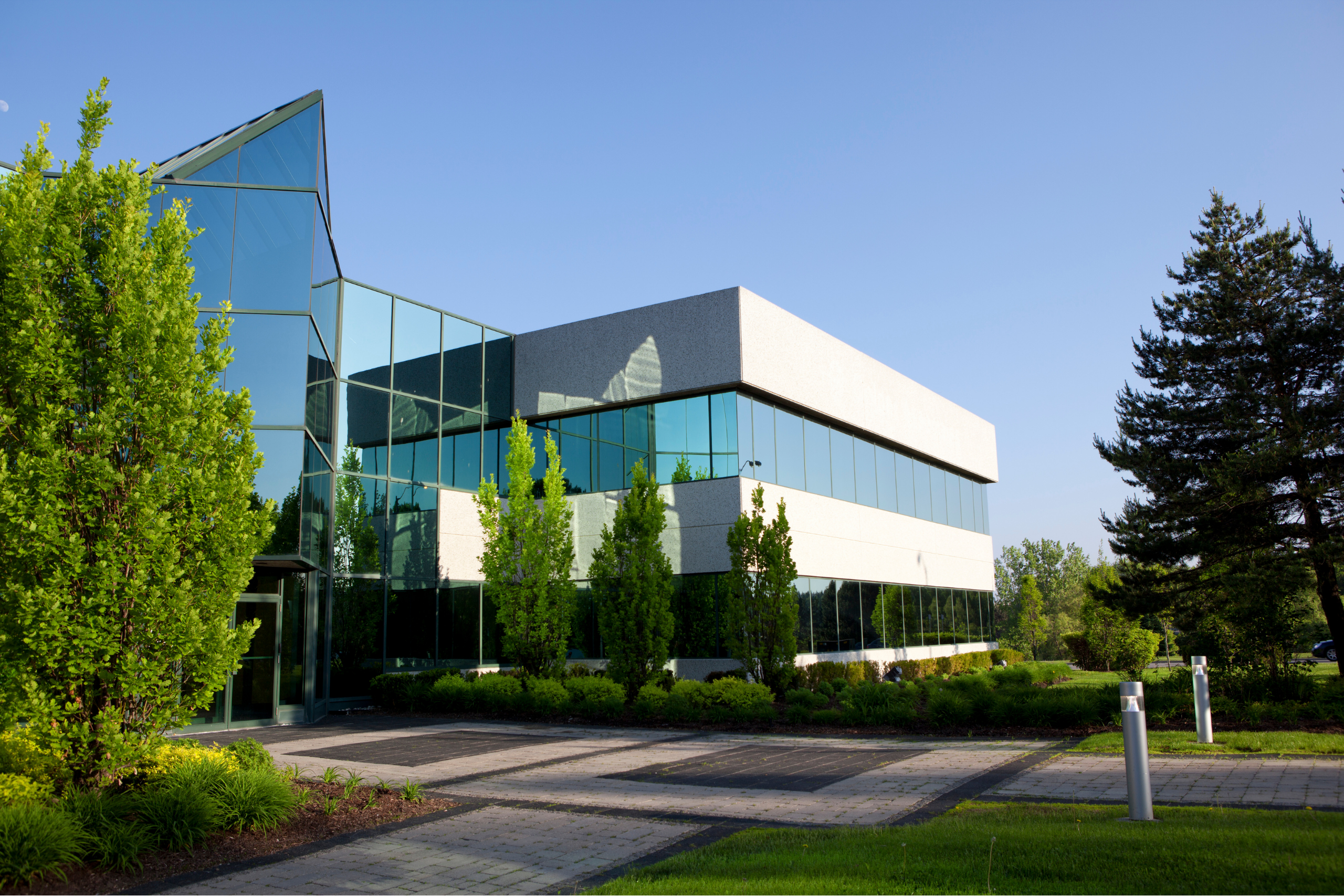
Business premises insurance is designed to protect the physical location your business operates from, such as a shop, office, warehouse or other commercial property. It typically covers damage to the building caused by insured events like fire, flood or vandalism, helping you avoid unexpected repair or rebuild costs and supporting business continuity if something goes wrong.

Business Premises Insurance is essential for organisations that own or are responsible for commercial property. If damage to your premises would result in costly repairs, disruption to operations or loss of income, this type of cover can help protect your physical assets. Organisations that may need Business Premises Insurance include:

  • Retail businesses: to protect shops and showrooms from damage caused by fire, flood or vandalism
  • Office‑based organisations: to cover office buildings against structural damage and insured events
  • Warehouses and storage facilities: to protect large commercial premises used for holding goods or equipment
  • Manufacturing businesses: to cover factories and industrial buildings essential to operations
  • Landlords of commercial property: to protect premises leased to tenants
  • Hospitality businesses: to insure cafés, restaurants, or venues where damage could halt trading

If you don’t have Business Premises Insurance, your organisation could be left exposed to significant financial and operational risks if your building is damaged or destroyed. Repairing or rebuilding costs can be substantial and without insurance in place, these expenses would typically need to be paid out of pocket, potentially disrupting or even halting your ability to trade. Potential consequences include:

  • High repair or rebuild costs
  • Business disruption
  • Loss of income
  • Legal or contractual issues
  • Financial strain

Business Premises Insurance is not legally required, but it is often a requirement of mortgage lenders or commercial leases and is strongly recommended due to the high cost of repairs or rebuilding.

Cover usually includes the structure of the building, permanent fixtures and fittings. Policies can also include additional protection such as accidental damage or landlord responsibilities.

If you rent your premises, responsibility for insuring the building may sit with the landlord. However, tenants should always check lease agreements, as some responsibilities may still apply.

Business Premises Insurance covers the building itself, while Business Contents Insurance covers items inside the building, such as equipment, stock and furniture.

Yes. It is commonly combined with Business Contents, Business Interruption or Liability Insurance to provide more comprehensive protection.

If your property is underinsured, insurers may reduce the amount paid out in a claim, even if the damage is only partial.

No, loss of income is usually covered separately under Business Interruption Insurance, which can be added alongside premises cover.

Policies commonly cover risks such as fire, flood, storm damage, subsidence, vandalism and escape of water, subject to policy terms.

Accidental damage is not always included as standard but can usually be added for broader protection.

Yes, older or listed commercial buildings can be insured, although they may require specialist cover and accurate rebuilding valuations.

This is the cost to rebuild your premises from scratch, including materials, labour and professional fees - it should not be confused with market value.

A professional rebuild valuation can help ensure your premises are accurately insured and avoid underinsurance.

This depends on whether the policy is arranged by the landlord and the terms of the cover. There are specific products available that are designed to suit landlord risks.

Cover for unoccupied premises may be restricted or subject to conditions (e.g. not unoccupied for longer than a specified timeframe). Insurers usually require notification if a building is left empty.

Some policies include cover for outward‑facing elements such as walls, fences, signage or car parks, depending on the policy wording.

Yes. If you relocate, your policy should be updated to reflect the new property details to ensure continuous cover.

Yes. As an independent broker, QMT Commercial compares policies from a panel of insurers to help you find suitable premises cover that matches your property and business needs. Get in touch to find out more.

Shop Insurance

Cleaners Insurance

Business Interruption Insurance

SME Insurance

Commercial Property Insurance

Management Liability Insurance

Charity Insurance

QMT Commercial - Call us today