

New!

QMT Commercial Insurance Brokers - Travel Insurance

Travel
Insurance

Travel Insurance Plane Icon

New! Travel Insurance

HGV Insurance and Truck Insurance

Whether you’re an independent operator or manage a fleet of vehicles over 3.5 tonnes, HGV Truck Insurance is designed to protect against the challenges faced by commercial drivers. It offers comprehensive protection to keep your business moving safely and efficiently.

Want more information? Give QMT Commercial a call on 01227 285 540 or complete our quote form to get started.

Contact us Get a Quote Call us

What is HGV and Truck Insurance?

Heavy Goods Vehicle (HGV) or Truck insurance is a critical safeguard for businesses operating large commercial vehicles in the UK. These vehicles – typically weighing over 3.5 tonnes – aren’t just bigger than your average car; they carry more risk, more responsibility and often, more valuable cargo. That’s why HGV insurance is not just a scaled-up version of car insurance, but a specialised policy tailored to the unique demands of the haulage and logistics industry.

Why choose us for HGV and Truck Insurance?

Partner with a proven broker who understands your business.

Navigating commercial insurance can feel overwhelming – comparing quotes, understanding policy details and weighing up price versus value can be time-consuming and stressful. And with so many options out there, it’s not always easy to know if you’re getting the right deal – because cheaper doesn’t always mean better. That’s where QMT Commercial comes in. We take the hassle out of the process by doing the hard work for you – sourcing suitable quotes and presenting them in plain English, with no pressure and no jargon.

But we don’t stop at truck insurance. Our friendly team can help you arrange and manage a wide range of business covers, including Goods in TransitPublic and Employer’s LiabilityCommercial Property and more. We make it simpler to manage your insurance, all in one place.

At QMT Commercial, as an independent insurance broker, we are free from ties to any single provider. This independence enables us to access an array of insurers and wholesale brokers, ensuring we can help secure the most suitable policies for your business requirements.

When choosing a new insurance broker, you’ll naturally want to hear about the experiences of other customers before you make your decision. Why not head over to our Trustpilot page to see for yourself why so many clients choose us for their business insurance, year after year.

For those who prefer not to pay their insurance policy in full, we can offer flexible payment options. You can choose to divide the total into two monthly instalments or use our third-party finance provider to spread the cost with convenient monthly direct debits.

QMT Commercial prides itself on its commitment to delivering excellent customer service. Our UK-based insurance advisors and support team are here to ensure your insurance needs are handled with precision and care, ready to assist you with any questions throughout the year.

As a commercial insurance broker, QMT Commercial are regulated by the Financial Conduct Authority (FCA), meaning that there is a strict code of practice we must abide by to ensure consumers are treated fairly at every stage of the financial services we help to arrange.

In the last 20+ years, QMT Commercial has built excellent relationships with a wide variety of insurers and wholesale brokers, meaning we can bring you some great deals on your business insurance, some of which you won’t be able to find on price comparison sites.

Business category Why Truck Insurance is needed
Haulage and logistics companies Essential for long-distance freight transport, including general cargo hauliers and container carriers.
Independent owner-operators For individuals who who own and drive their own HGVs for business purposes.
Courier and delivery operators Covers vehicles transporting goods locally or regionally, including bulky items like furniture.
Removals companies Used when shifting personal or office belongings during moves and relocations.
Construction and engineering firms Needed for hauling building materials, machinery, and tools to different work sites.
Agricultural and farming businesses Required for carrying farm produce, livestock, or machinery as part of daily farming operations.
Waste & recycling services Protects trucks used for collecting, transporting, and disposing of waste or recyclable items.
Rental and leasing companies Firms that lease HGVs to other businesses or drivers, covering both the vehicle and temporary users.

Do I need HGV and Truck Insurance?

If you operate a Heavy Goods Vehicle (HGV) in the UK – whether you’re an independent driver, a small transport outfit or part of a large-scale logistics operation – HGV insurance is a legal and practical necessity. But it’s not just for hauliers. Businesses that rely on trucks to move tools, equipment or supplies to job sites or commercial locations also fall under the same insurance requirements. Whether you’re in construction, agriculture or delivery services, if your vehicle weighs over 3.5 tonnes and serves a commercial purpose, you need cover that’s built for the demands of heavy-duty transport.

Take a look at the types of businesses that count on Truck Insurance to protect their vehicles, cargo and day-to-day operations.

What type of vehicle needs
HGV and Truck Insurance?

If you operate a heavy vehicle for business or haulage, you’ll usually need HGV and Truck Insurance to stay legal and properly protected on the road. This type of cover applies to a wide range of commercial vehicles, typically those weighing 3.5 tonnes and above.

Some of the most common vehicles that require HGV and Truck Insurance include:

7.5 ton trucks

Articulated lorries (artics)

Rigid lorries

Tippers & dump trucks

Skip lorries

Flatbed trucks

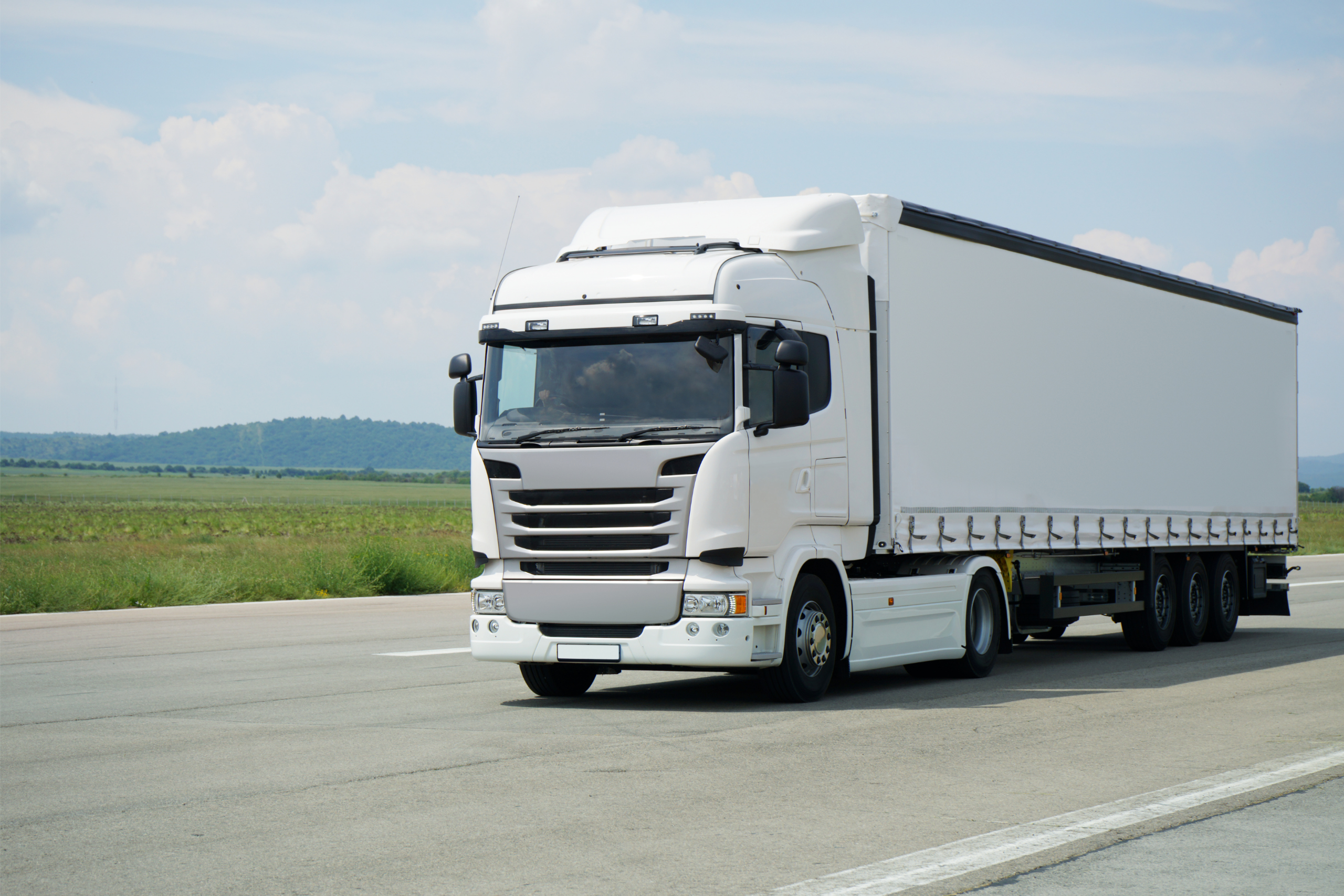
Box & curtain-sided lorries

Refrigerated trucks

Tankers

Heavy recovery vehicles

Car transporters

QMT Commercial is a UK based, proudly independent insurance broker.

HGV Insurance - QMT Commercial Insurance Brokers

What are the main features of a HGV and Truck Insurance Policy?

Operating a HGV comes with significant responsibilities. From long-distance haulage to local deliveries, your truck is exposed to road hazards, theft and potential liability claims. For peace of mind, you’ll want to ensure you have the right cover in place so that if something happens, you can get back on the road as quickly as possible.

Main Features

    • Safeguard your trucks against accidents, theft, malicious damage and third-party liability, covering both injury and property claims
    • Choose your level of protection: Third Party Only, Third Party Fire & Theft or Fully Comprehensive
    • Flexible policy options for single vehicles or HGV fleets
    • Choose your cover based on your operations – whether you’re transporting your own goods or working for hire and reward
    • Eligibility for vehicles starting from 3.5 tonnes and above
    • Driver flexibility with options for named drivers or “any driver” policies
    • No Claims Bonus Discount available
    • 24/7 Claims Line, managed by our trusted partners at iRevolution Claims
    • Optional extras include UK or UK/EU Breakdown Cover and Motor Legal Expenses Protection

Frequently asked questions...

Third Party Only (TPO)

  • Legal minimum required to operate a HGV on UK roads.
  • Covers damage or injury caused to other people, vehicles or property.
  • Does not cover your own vehicle or personal injuries.

Third Party, Fire & Theft (TPFT)

  • Includes all the benefits of Third Party Only.
  • Adds cover for your vehicle if it’s stolen or damaged by fire.

Comprehensive

  • Includes everything in TPFT.
  • Also covers damage to your own vehicle, even if you’re at fault.
  • Can sometimes include extras like windscreen cover, personal accident and legal expenses, depending on the provider.

HGV (Heavy Goods Vehicle) Insurance typically covers a wide range of risks associated with operating large commercial vehicles. Here’s a breakdown of what it can include:

Vehicle damage

  • Accidental damage (e.g. collisions, road incidents)
  • Fire damage
  • Theft or attempted theft
  • Vandalism or malicious damage

Third-party liability

  • Injury to other road users
  • Damage to third-party property
  • Legal costs arising from claims

Driver protection

  • Personal accident cover (optional)
  • Medical expenses (depending on policy)

Breakdown assistance (optional extra or standalone policy)

  • Roadside recovery
  • UK-only or UK/EU cover depending on your needs

Anyone who owns or operates a heavy goods vehicle (HGV) on public roads needs HGV insurance. This includes:

Independent owner-operators

  • Individuals who own and drive their own HGVs for business purposes.
  • Often involved in haulage, delivery or logistics work.

Haulage and logistics companies

  • Businesses that manage fleets of HGVs for transporting goods.
  • May require fleet insurance to cover multiple vehicles under one policy.

Courier and delivery services

  • Companies using HGVs for regional or national deliveries.
  • Often need additional cover like Goods in Transit insurance.

Construction and engineering firms

  • Businesses using HGVs to transport equipment, materials or machinery.
  • May need tailored cover for specific vehicle types and usage.

Agricultural and farming businesses

  • Operators using HGVs for transporting livestock, produce or supplies.
  • May require specialist cover depending on vehicle use and location.

Rental and leasing companies

  • Firms that lease HGVs to other businesses or drivers.
  • Need insurance that covers both the vehicle and its temporary users.

In the UK and many other regions, Heavy Goods Vehicles (HGVs) are typically defined as vehicles with a gross vehicle weight (GVW) over 3.5 tonnes. Here are the main types of vehicles that fall under the HGV category:

Rigid trucks

  • Single chassis vehicles where the cab and cargo area are one unit.
  • Commonly used for local deliveries, construction and waste collection.

Articulated lorries

  • Consist of a tractor unit and a trailer.
  • Used for long-haul transport and large cargo loads.

Tipper trucks

  • Equipped with a hydraulic lift to tip the cargo (e.g. sand, gravel).
  • Often used in construction and quarrying.

Flatbed trucks

  • Feature an open cargo area with no sides or roof.
  • Ideal for transporting oversized or irregular loads.

Box trucks (or luton vans)

  • Enclosed cargo area, often used for furniture or parcel delivery.
  • Some models exceed 3.5 tonnes and qualify as HGVs.

Tankers

  • Designed to carry liquids or gases (e.g. fuel, chemicals, milk).
  • Require specialist insurance due to hazardous materials.

Refrigerated trucks

  • Insulated and temperature-controlled for transporting perishable goods.
  • Common in food and pharmaceutical logistics.

Car transporters

  • Multi-level trailers used to move vehicles.
  • Often articulated and require specialist handling.

The difference between carriage of own goods and carriage of goods for hire and reward lies in who owns the goods and why you’re transporting them. This distinction is important for both insurance and operator licensing.

Carriage of own goods

  • You are transporting goods that your business owns.
  • The goods are not being moved for payment or on behalf of another company.
  • Common for businesses like builders, retailers or manufacturers moving tools, stock or equipment.
  • Example: A scaffolding business transports its own poles, boards and tools to a job site.

Carriage of goods for hire and reward

  • You are transporting goods belonging to someone else and you’re being paid to do so.
  • This is considered a commercial haulage activity.
  • Requires a Standard Operator’s Licence and specific insurance cover.
  • Example: A haulage firm delivering pallets of goods for a third-party client.

Insurance policies must reflect the correct usage. Using a “carriage of own goods” policy while transporting goods for hire could invalidate your cover.

Operator’s Licence requirements differ:

  • Restricted Licence for own goods
  • Standard Licence for hire and reward

Yes, we have insurers on our panel who cover HGVs carrying hazardous goods in the UK – some providers offer specific policies to meet the unique risks and legal requirements associated with transporting dangerous materials.

Specialist hazardous goods insurance typically includes:

  • Cover for hazardous materials (e.g. chemicals, fuel, waste)
  • Environmental liability for accidental spillage or contamination
  • Third-party injury and property damage
  • Damage to your own vehicle

Please note, you may need to meet specific regulatory requirements, such as displaying hazardous material signage and having trained drivers. Policies are often custom-quoted, meaning insurers will assess your vehicle type, cargo, routes and safety protocols before offering to quote.

Yes, HGV insurance is legally required in the UK if you operate a heavy goods vehicle on public roads.

Every HGV (Heavy Goods Vehicle) must be covered by at least Third Party insurance, which is the minimum legal requirement. This applies to:

  • Independent drivers
  • Small haulage businesses
  • Large logistics companies

Operating an HGV without valid insurance is illegal and can result in fines, licence penalties or even vehicle seizure.

If you’re using your HGV for commercial purposes, you must have commercial HGV insurance. If you’re using it privately (e.g., for personal transport or leisure), you still need insurance, but the policy terms may differ.

Additional legal requirements

Alongside insurance, commercial HGV operators may also need:

  • A valid Operator’s Licence
  • Drivers with the correct HGV licence and CPC (Certificate of Professional Competence)
  • Up-to-date vehicle maintenance records

Yes, in most cases, you do need an Operator’s Licence before you can legally operate an HGV and arrange insurance for it in the UK.

What is an Operator’s Licence?

An Operator’s Licence (often called an O-Licence) is a legal requirement for individuals or businesses using HGVs over 3.5 tonnes for commercial purposes on public roads. It’s issued by the Traffic Commissioner and ensures that vehicles are operated safely, legally and responsibly.

There are three main types:

  • Restricted Licence: For businesses transporting their own goods only.
  • Standard National Licence: For transporting goods for hire or reward within Great Britain.
  • Standard International Licence: For transporting goods internationally, including within the EU.

You’ll need an Operator’s Licence if:

  • Your vehicle is over 3.5 tonnes and used for business.
  • You transport goods for hire or reward.
  • You use the HGV to carry your own goods for business purposes.

You may not need a licence if:

  • Your vehicle is under 3.5 tonnes.
  • It’s used for private, non-commercial purposes.
  • You operate certain specialist or exempt vehicles (e.g., some agricultural or maintenance vehicles).

Most insurers will require proof of a valid Operator’s Licence before issuing a commercial HGV policy (or within a specified timeframe of the policy starting, e.g. 28 days). Operating without one can lead to:

  • Policy invalidation
  • Legal penalties
  • Vehicle impoundment
  • Fines or criminal charges

Yes, you can get HGV insurance that covers European deliveries. Many UK insurers offer European cover as an optional add-on or as part of a comprehensive HGV insurance policy, especially for businesses involved in international haulage.

What European HGV Insurance typically includes

  • Cross-border cover for driving in EU countries
  • Third-party liability in line with EU regulations
  • Goods in Transit protection across borders
  • Breakdown assistance in Europe (optional)
  • Cover for customs delays, theft, or damage abroad

Important considerations

  • You may need a Standard International Operator’s Licence to legally operate in Europe.
  • Ensure your policy includes European breakdown cover if you’re travelling long distances.
  • Some insurers may require details about your routes, cargo types and frequency of travel to provide accurate quotes.

If you have a mixed fleet insurance policy, you can usually also add private cars and other vehicle types, allowing you to cover a variety of vehicles under one policy.

Fleet policies can typically cover:

  • HGVs (articulated lorries, rigid trucks, tippers, tankers, etc.)
  • Vans (including refrigerated and service vans)
  • Cars (used for business purposes)
  • Special type vehicles (e.g. skip lorries, concrete mixers, dustcarts, livestock carriers)
  • Some insurers may have restrictions on very large HGVs or certain specialist vehicles, but most are flexible.

Benefits of a mixed fleet policy

  • Can include a variety of company vehicles alongside your HGVs, including the director’s private car, sales team vehicles, etc.
  • One renewal date for all vehicles
  • Flexible cover levels (e.g. comprehensive for some vehicles, third-party for others)
  • Any driver options available
  • Simplified administration and potential cost savings
  • Fleet Claims Experience replaces individual no claims bonuses

The number of vehicles you can insure depends on your business needs and the type of policy you choose. Some policies are designed for single vehicles, while mini fleet insurance typically covers 2 to 5 vehicles. If you operate a larger fleet, we can arrange a policy that scales with your business.

To ensure you get the right level of cover, speak with our advisors about your current setup and any expected growth over the next 12 months. We’ll help you find a policy that not only fits your business today but supports your expansion plans for the future.

Yes, we work with some insurers who are happy to quote for HGV startups, even if you don’t yet have No Claims Bonus. Some may also offer introductory discounts to help you get started with your cover.

You should be able to transfer previously earned No Claims Bonus to your HGV policy, subject to the insurer’s acceptance criteria being met. In most cases, it will be expected the bonus was earned on the same vehicle or a previously sold/scrapped vehicle. In order to transfer no claims bonus from one policy or vehicle to another, you may need to provide supporting documentation. Please speak with our advisor about using your No Claims Bonus against your new policy at quote stage.

Who can drive on your HGV insurance policy depends on the type of policy you choose and the insurer’s specific criteria. Here’s a breakdown of the key factors:

Named drivers
Most policies allow you to specify named individuals who are permitted to drive your HGVs. These drivers must:

  • Hold a valid HGV licence for the vehicle class.
  • Have completed CPC training and medical checks.
  • Be disclosed to the insurer with accurate driving history.

“Any driver” policies
Some insurers offer “any driver” cover, typically with restrictions such as:

  • Minimum age (often 25 or 30+).
  • Clean driving record.
  • Valid licence for the vehicle type.

Young or inexperienced drivers
You should be able to include younger drivers (e.g. under 25), but:

  • They may need to be specifically named.
  • Premiums and excesses may be higher.
  • Some insurers may require additional training or probation periods.

Contractors and temporary drivers
These can be covered if:

  • They are authorised by your business.
  • Their licence and qualifications are verified.
  • Your policy allows for flexible or pay-as-you-go arrangements.

Drivers typically excluded

Banned or disqualified drivers
Automatically excluded by law and insurers.

High-risk drivers
Those with recent convictions or poor driving history may be excluded or require special approval.

Fleet Insurance flexibility

If you run multiple vehicles, fleet insurance offers:

  • Easier management of driver permissions.
  • Options for mixed fleets and varied driver profiles.
  • Potential cost savings and simplified admin.

You can apply several driving restrictions on your HGV Insurance policy to manage risk, reduce premiums and ensure compliance. Here are the most common and effective ones:

Named driver only
Limit cover to specific individuals listed on the policy. This avoids the risk of unknown or unvetted drivers using your vehicles.

Minimum age requirement
Many policies allow you to set a minimum age (e.g. 25+) for drivers to reduce risk and cost. Some insurers may allow younger drivers but with higher excess or premiums.

Experience thresholds
You can require drivers to have a minimum number of years holding an HGV licence or CPC qualification. This helps avoid claims from inexperienced drivers.

Clean Licence Requirement
Restrict cover to drivers with no recent convictions or penalty points. This can significantly lower premiums.

To insure drivers under an HGV policy in the UK, they must hold the correct licence type based on the vehicle they’ll be operating. Here’s a breakdown of the licence requirements and related qualifications:

Category C licence (class 2)

  • For rigid vehicles over 3.5 tonnes and up to 32 tonnes.
  • Common for local deliveries, construction vehicles and supermarket trucks.
  • Minimum age: 18.

Category C+E licence (class 1)

  • For articulated lorries or draw-bar combinations up to 44 tonnes.
  • Required for long-haul and international freight.
  • Minimum age: 18. You can now fast-track from a car licence (Category B) directly to C+E1.

Category C1 licence

  • For medium-sized vehicles between 3.5 and 7.5 tonnes.
  • Often used for ambulances, horseboxes or small delivery trucks.
  • May be sufficient for lighter HGVs.

Category C1+E licence

  • For medium vehicles with trailers, up to a combined weight of 12 tonnes.
  • Useful for specialist logistics or motorsport transport.

Additional requirements for commercial HGV drivers

Driver CPC (Certificate of Professional Competence)

  • Mandatory for commercial HGV drivers.
  • Includes 5 tests initially and 35 hours of periodic training every 5 years.
  • Exemptions apply for non-commercial use or specific roles (e.g., police, military).

Medical examination

  • All HGV drivers must pass a medical exam (DVLA D4 form) to ensure fitness to drive.

Minimum age

  • You must be at least 18 years old to hold an HGV licence.

Yes, you can include young or less experienced drivers on your HGV insurance policy in the UK, but there are some important considerations:

  • Drivers aged 19 and over can often be insured, even on large vehicles like 44-tonne articulated vehicles (artics).
  • Inexperienced drivers (those newly qualified or with limited HGV driving history) can also be covered.
  • Some insurers do not charge extra premiums for young drivers, though they may apply a higher excess if the driver is involved in an at-fault incident.

However:

  • Many insurers are traditionally cautious due to the higher risk profile of younger drivers (e.g., less hazard awareness, defensive driving experience).
  • Not all insurers will offer cover for drivers under 25, especially without a solid driving record.
  • You may need to work with brokers who understand the haulage industry.

Top tips:

  • Highlight any training or apprenticeship schemes your drivers are part of – this can help reduce perceived risk.
  • Consider policies that offer flexible terms, such as increased excess rather than higher premiums.

To complement your HGV Insurance and ensure wide-ranging protection for your haulage business, you can consider adding the following optional covers:

Goods in Transit Insurance

  • Covers loss, theft, or damage to cargo while being transported.
  • Essential if you’re carrying valuable or fragile goods.

Public Liability Insurance

  • Protects against claims from third parties for injury or property damage caused by your vehicle or operations.

Employer’s Liability Insurance

  • Legally required if you employ staff. Covers injury or illness claims made by employees.

Breakdown Cover

  • Provides roadside assistance and recovery services in case of mechanical failure.
  • Can include onward travel or overnight accommodation.

Legal Expenses Cover

  • Helps with legal costs arising from disputes.

European Cover

  • Extends your insurance to cover driving in EU countries.
  • Useful if your haulage routes cross borders.

Trailer Cover

  • Protects trailers attached to your HGV against theft or damage.
  • Can be standalone or part of your main policy.

Loss of Use Cover

  • Compensates for income lost while your HGV is off the road due to an accident or repair.

Personal Accident Cover

  • Provides compensation if the driver is injured or killed in an accident.

Windscreen and Glass Cover

  • Covers repair or replacement of windscreens and windows, often without affecting your no-claims bonus. This may be included under the terms of your policy – speak with our advisors for details.

The cost of HGV insurance can vary depending on several key factors. Here’s a breakdown of what insurers typically consider when calculating your premium:

Type of cover

  • Comprehensive cover costs more than Third Party Only or Third Party, Fire & Theft.
  • Adding extras like Goods in Transit, Breakdown Cover or European Cover will increase the premium.

Vehicle details

  • Make, model and age of the HGV
  • Weight and size (vehicles over 3.5 tonnes qualify as HGVs)
  • Modifications or specialist equipment (e.g. refrigeration units, cranes)

Business use

  • Carriage of own goods vs carriage for hire and reward
  • Type of goods transported (hazardous materials usually cost more)
  • Distance and routes (local, national or international)

Driver information

  • Age and experience of drivers
  • Driving history and any previous claims
  • Use of named drivers vs any licensed driver policies

Location

  • Where the vehicle is kept overnight
  • Operating base and typical delivery areas
  • Higher-risk areas may attract higher premiums

Claims history

  • No Claims Bonus (NCB) can significantly reduce costs
  • New businesses may pay more initially but can sometimes access introductory discounts

Fleet size

  • Larger fleets may benefit from bulk discounts and fleet-rated policies
  • Mini fleets (2–5 vehicles) are priced differently than large fleets

Operator’s Licence

  • Having a valid Operator’s Licence is often required
  • Insurers may assess your compliance and safety record

HGV (Heavy Goods Vehicle) Insurance tends to be more expensive than standard vehicle insurance due to several key risk factors and regulatory requirements. Here’s a breakdown of why:

Higher risk of damage and injury
HGVs are large, heavy and often operate in high-traffic or industrial areas. Accidents involving HGVs can cause significant damage and injury, leading to higher claim payouts.

Expensive vehicles and cargo
The value of the truck itself and the goods it carries can be substantial. Insurers may need to cover both the vehicle and the cargo, increasing the potential liability.

Long hours and distance
HGV drivers often cover long distances and work extended hours, which increases fatigue-related risks and accident likelihood.

Driver history and licensing
Insurers assess the experience and driving records of HGV drivers. A lack of experience or any endorsements can raise premiums.

Regulatory compliance
Operators must comply with strict UK and EU regulations (e.g., operator licensing, tachograph rules) and insurers factor in the complexity and risk of non-compliance.

Theft and vandalism risk
HGVs are often parked in unsecured areas overnight, making them targets for theft or vandalism – especially if carrying valuable goods.

Claims frequency and severity
HGV claims tend to be less frequent but more severe in terms of cost. This drives up premiums across the industry.

Here are the most effective strategies to help you save money on your HGV insurance as a haulage business owner:

Use a broker
Brokers compare multiple insurers and find suitable policies for your specific needs – they can also access deals you may not be able to benefit from as a direct consumer.

Add multiple vehicles under Fleet Insurance
If you operate more than one HGV, consider a fleet policy. It simplifies management and can reduce per-vehicle premiums.

Install telematics (black box)
Telematics monitor driving behaviour and may reward safe driving with lower premiums. They also help with route optimisation and theft recovery.

Hire experienced, clean-record drivers
Insurers heavily weigh driver history. Employing drivers with clean licences and several years of experience can lower your risk profile.

Consider whether you need an “any driver” policy
At QMT Commercial, we’re big fans of “Any Driver” driving restrictions as they can help simplify the day-to-day management of your HGV fleet – if someone’s called in sick, you can easily swap drivers over without the need to add them to your policy.

However, these driving restrictions are more expensive because insurers can’t assess individual driver risk. If you name drivers on your policy, the insurer can provide a more considered cost based on the level of risk the driver proposes.

Increase your voluntary excess
Opting for a higher excess (the amount you pay in the event of a claim) can reduce your premium. However, if you claim regularly, this may not be the best option for you.

Pay annually
Monthly payments often include interest or fees. Paying annually can save you money in the long run, if you have the cashflow available.

Secure your vehicles
Use GPS trackers, immobilisers and secure overnight parking. Enhanced security reduces theft risk and may lead to discounts

Shop around at renewal
A broker can help ensure you’re getting a fair renewal quote and arrange a change of insurers if they can find a better deal elsewhere.

Some insurers allow you to save on your HGV insurance by using telematics and added security measures like CCTV.

Telematics

  • Telematics systems track vehicle data such as speed, location, braking habits and engine performance. This data helps insurers assess risk more accurately and reward safer driving.
  • Benefits:
    • Lower premiums: Insurers may offer discounts for fleets using telematics, especially when data shows safe driving habits.
    • Accident analysis: Detailed incident reports help resolve claims faster and more fairly.
    • Driver training: Identifying risky behaviours allows for targeted coaching, reducing future claims.
    • Fuel and maintenance savings: Telematics can also reduce fuel use and maintenance costs by improving driving efficiency.

CCTV & dashcams

  • Installing cameras in your HGVs – especially front and rear dashcams – may reduce insurance costs.
  • Benefits:
    • Fraud prevention: Helps defend against staged accidents (“crash for cash”).
    • Improved driver behaviour: Knowing they’re being recorded encourages safer driving.
    • Faster claims resolution: Footage provides clear evidence, reducing disputes and legal costs.

Additional security measures

  • GPS tracking: Helps recover stolen vehicles and may qualify for insurer discounts.
  • Daily walkaround checks: Prevent issues before they become costly claims.
  • Driver safety culture: Insurers favour businesses that actively promote safety.

We understand that managing cash flow is important, which is why we offer flexible ways to pay for your HGV Insurance policy. If you’d prefer not to pay the full amount in full, you can opt for a 50% deposit, with the remaining balance due 28 days after your policy begins – giving you time to spread the cost.

Alternatively, if monthly budgeting works better for your business, our third-party premium finance provider can offer convenient direct debit payments, allowing you to split the cost into manageable instalments (interest rates apply, please speak with our team for details).

The easiest way to get started is by calling our friendly commercial insurance advisors. They’ll walk you through the details our panel of insurers need to provide a quote and answer any questions you may have along the way.

Call Us

Head Office
01227 285 540

Ashford Branch
01233 222 562

Prefer to start by email? No problem – just drop us a message at quotes@quotemetoday.co.uk and we’ll get back to you promptly.

QMT Commercial - Call us today