New!

QMT Commercial Insurance Brokers - Travel Insurance

Travel
Insurance

Travel Insurance Plane Icon

New! Travel Insurance

Park Home Insurance

Living in a park home offers a unique lifestyle - peaceful surroundings, a close-knit community and the freedom of low-maintenance living. But just like any property, your park home deserves reliable protection. That’s where Park Home Insurance comes in.

We’re here to help you find cover for your park home and its contents. Our friendly advisors will guide you every step of the way – just call us on 01227 774 050 or complete our enquiry form to get started.

Contact us Get a Quote Call us

What is Park Home Insurance?

Park Home Insurance is a specialist type of cover designed to protect residential park homes and their contents, which are not typically covered by standard Home Insurance policies. Many Home Insurance products don’t suit non-standard, prefabricated properties.

Why choose us for Park Home Insurance?

One-size-fits-all? Not here.

We understand that risk comes in all shapes and sizes. That’s why we take the time to understand your property type, building structure, location and contents, so that we can find cover that truly fits your needs. Our experienced team takes pride in finding the your next policy, because nothing’s more important than protecting where you live.

At QMT Commercial, as an independent insurance broker, we are free from ties to any single provider. This independence enables us to access an array of insurers and wholesale brokers, ensuring we can help secure the most suitable policies for your business requirements.

When choosing a new insurance broker, you’ll naturally want to hear about the experiences of other customers before you make your decision. Why not head over to our Trustpilot page to see for yourself why so many clients choose us for their business insurance, year after year.

For those who prefer not to pay their insurance policy in full, we can offer flexible payment options. You can choose to divide the total into two monthly instalments or use our third-party finance provider to spread the cost with convenient monthly direct debits.

QMT Commercial prides itself on its commitment to delivering excellent customer service. Our UK-based insurance advisors and support team are here to ensure your insurance needs are handled with precision and care, ready to assist you with any questions throughout the year.

As a commercial insurance broker, QMT Commercial are regulated by the Financial Conduct Authority (FCA), meaning that there is a strict code of practice we must abide by to ensure consumers are treated fairly at every stage of the financial services we help to arrange.

In the last 20+ years, QMT Commercial has built excellent relationships with a wide variety of insurers and wholesale brokers, meaning we can bring you some great deals on your business insurance, some of which you won’t be able to find on price comparison sites.

QMT Commercial is a UK based, proudly independent insurance broker.

What are the main features of a Park Home Insurance Policy?

Park Home Insurance is specifically underwritten to include risks unique to mobile or modular living.

Main Feaures

    • Protects the structure of your park home against damage from insured events
    • Often includes permanent fixtures and fittings
    • Covers contents and personal belongings inside your park home from insured events
    • Can include Public Liability Insurance, often required under your residential park site contract
    • Some policies include reimbursement for temporary housing if your park home becomes uninhabitable due to an insured event
    • Optional add-ons may also be available

Frequently asked questions...

Park Home Insurance is a specialist type of cover designed to protect residential park homes and their contents, which are not typically covered by standard Home Insurance policies. Many Home Insurance products don’t suit non-standard, prefabricated properties.

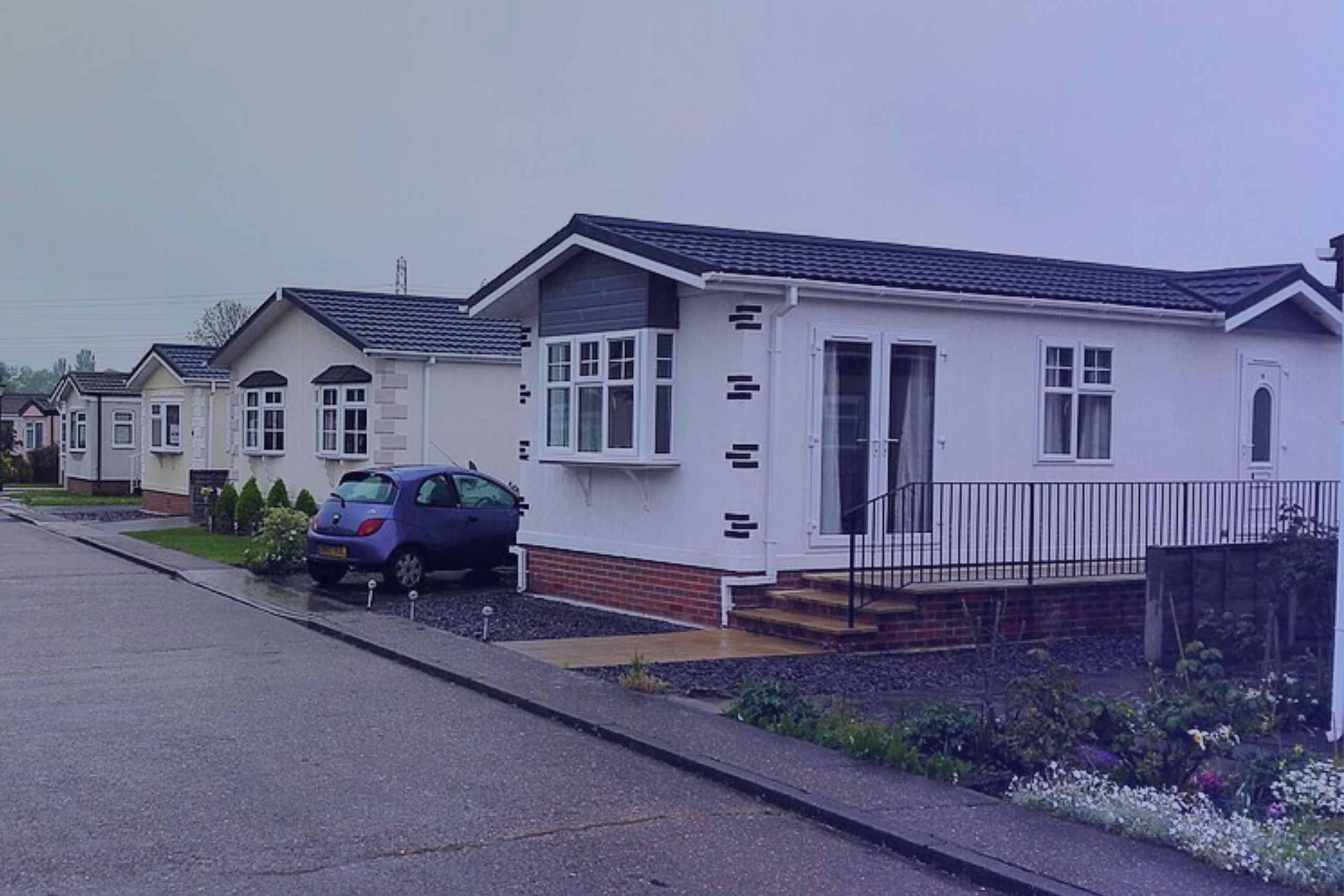
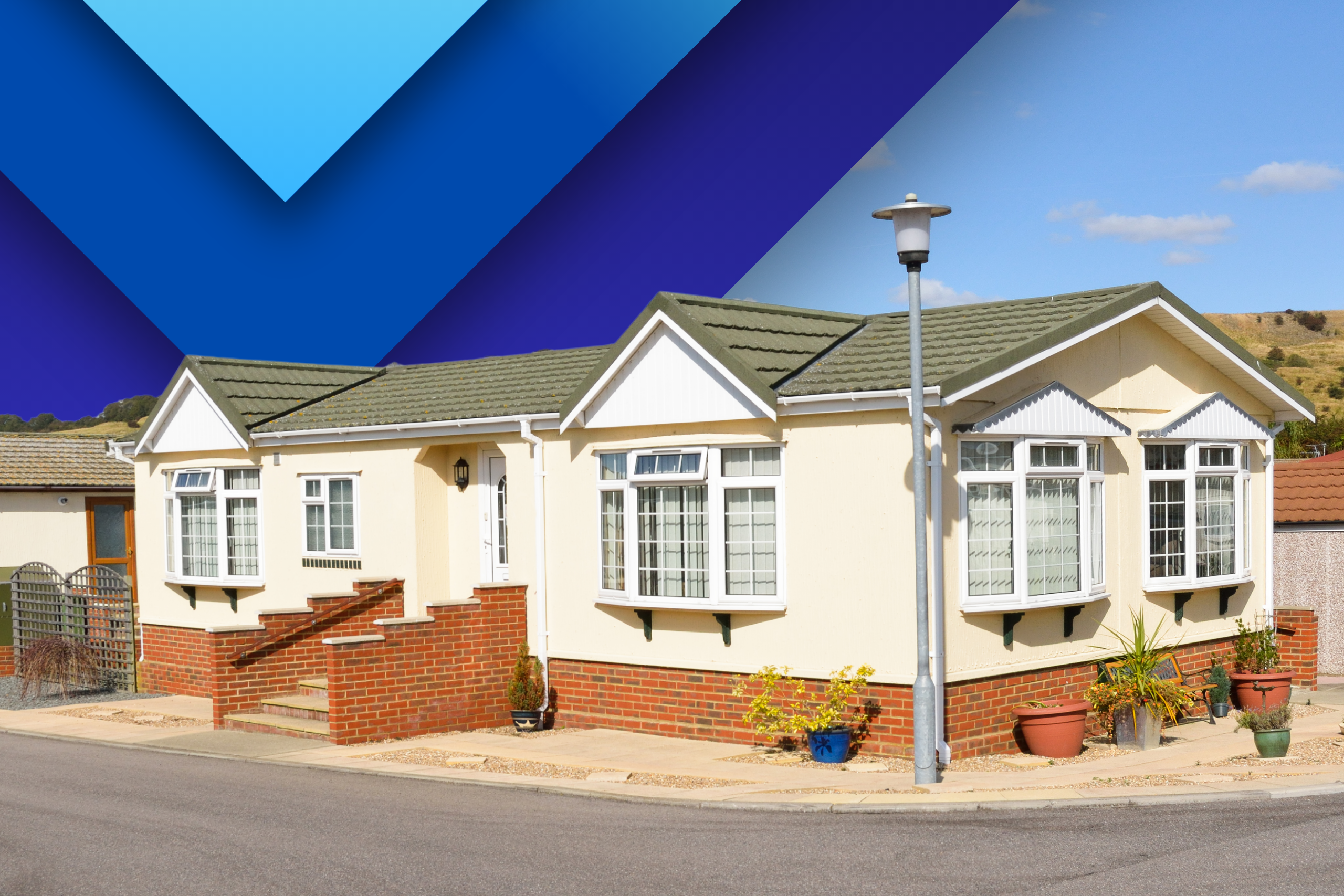
A park home is a prefabricated, detached bungalow-style property located on a residential park. While they resemble traditional homes, they are classed as mobile homes and are often built to different specifications, making them a non-standard risk in insurance terms.

Here’s a breakdown of the typical features and benefits of Park Home Insurance:

  • Buildings cover: Protects the structure of your park home against risks like fire, flood, storm damage and vandalism. Often includes fixed elements like skirting, steps and decking.
  • Contents cover: Covers your personal belongings inside the home from theft, damage and insured events. Policies may offer new-for-old replacement or market value cover.
  • Public Liability Insurance: Provides legal protection if someone is injured or their property is damaged while visiting your park home. Often required by park site agreements.
  • Alternative accommodation: If included, this covers temporary housing costs if your park home becomes uninhabitable due to an insured event.
  • Legal expenses cover: If included, this can help with legal disputes, including issues with site owners or property-related claims.
  • Add-ons: Optional extras may include home emergency cover, accidental damage, personal possessions away from home and protection for outbuildings or sheds.

Benefits of Park Home Insurance

  • Cover specifically for Park Homes: A specially designed product park homes, which are considered non-standard by most mainstream insurers.
  • Peace of mind: Comprehensive cover helps to protect you against common risks and unexpected events.
  • Compliance with site requirements: Meets insurance obligations often required by residential park agreements.

Most Park Home Insurance policies include cover for your contents, fixtures, fittings and personal belongings, but the extent of that cover can vary depending on the insurer and the specific policy you choose. Here’s how each element is typically handled:

Contents

  • Covers items like furniture, electronics, clothing and appliances inside your park home.
  • Protection usually includes theft, fire, flood, storm damage and accidental damage (if selected).
  • May offer new-for-old replacement or market value cover.
  • High-value and high-risk items may need to be declared.

Fixtures and fittings

  • These are usually considered part of the buildings cover.
  • Includes built-in wardrobes, kitchen units, bathroom suites and other permanent installations.
  • Covered against damage from insured events like fire, flood or vandalism.

Personal belongings

  • Items you carry with you, such as phones, jewellery or laptops, may be covered inside the home.
  • For protection outside the home, you may need to add personal possessions cover as an optional extra.

Anyone who owns a park home should consider this type of insurance. Standard home insurance usually doesn’t apply, so a dedicated policy ensures you're properly covered.

Park Home Insurance is not legally mandatory, but many residential park sites require it as part of their agreement. Even if it's not required, having insurance is a smart move to protect your investment and avoid unexpected costs.

These two terms refer to different ways your park home contents (or other insured item) might be valued in the event of a claim:

Market value

  • Definition: The amount your item is worth at the time of the claim, based on its age, condition and depreciation.
  • Payout: You’ll receive the current second-hand value - not what you originally paid.
  • Pros: Lower premiums.
  • Cons: May not be enough to replace your item with a similar new one.
  • Example: If your 5-year-old cooker is damaged beyond repair in a fire, you’ll be paid what it’s worth now, not what it cost new.

New for old

  • Definition: If your item is damaged beyond repair or stolen, the insurer replaces it with a brand-new equivalent model.
  • Payout: Full replacement cost of a new item of the same make and model.
  • Pros: You get a brand-new replacement.
  • Cons: Higher premiums and stricter eligibility (e.g. age limits, original ownership).
  • Example: If your 5-year-old cooker is damaged beyond repair in a fire, you’ll receive a brand-new version - assuming it meets the policy criteria.

Letting out your park home - whether short-term or long-term - is not usually covered by standard Park Home Insurance, as most policies are designed for owner-occupied homes. If you rent out your park home without notifying your insurer, you risk invalidating your cover, so it is always best to disclose your intention to your broker before purchasing a policy.

If your park home is unoccupied for an extended period (typically more than 30 consecutive days depending on insurer), your standard insurance may no longer fully protect you.

Most Park Home Insurance policies have an unoccupancy clause, often limiting full cover to a set number of days. After that, risks like theft, vandalism, water damage and escape of water may be excluded unless you have specialist cover.

You should always inform your insurer if your property will be empty beyond the allowed period, as you may need to arrange Unoccupied Home Insurance.

Some providers offer Park Home Insurance for sites with a flood-risk, even if your site has previously flooded.

A joint initiative between the UK government and insurers, Flood Re, has helped homeowners in high flood-risk areas obtain fairer insurance deals, by passing the flood risk portion of your policy to Flood Re, reducing the cost of premiums and excesses for the policyholder (criteria applies).

It is always best to be transparent at quote stage about your flood risk and any mitigation measures in place to avoid the possibility of claims being denied for misrepresentation of the risk.

A valuable item on your park home contents cover is typically any single item worth over an amount set by your insurer (often £1,000), such as jewellery, watches, electronics, art or designer goods. These must often be listed separately to ensure protection.

Most insurers define valuable items as those that:

  • Cost more than £1,000 to replace (some insurers set this threshold higher or lower)
  • Are attractive to thieves and easily resold
  • Include:
    • Jewellery and watches
    • Laptops, tablets and smartphones
    • Designer handbags and clothing
    • Fine art, antiques and collectibles
    • High-end audio or camera equipment

Top tips:

  • You may need to provide proof of value, such as receipts or valuations.
  • Review your policy’s single-item and total valuables limits
  • Update your insurer when you acquire new high-value items
  • Store valuables securely (e.g. safes, alarmed rooms)

You are not legally required to use the insurer recommended by your park home site owner - you have the right to choose your own insurance provider.

To make a claim on your Park Home Insurance, you’ll typically need to provide proof of ownership, evidence of damage or loss and supporting documentation such as receipts, photos and police reports (if applicable).

Evidence of damage or loss

  • Photographs or videos showing the damage, theft or incident scene.
  • Date-stamped images are especially helpful to verify timing.
  • Written description of what happened, including time, location and circumstances.

Proof of ownership and value

  • Receipts or invoices for items claimed (especially valuables).
  • Bank statements showing purchase transactions (if receipts are unavailable).
  • Valuation certificates for high-value items like jewellery or antiques.
  • Serial numbers for electronics or appliances.

Police or third-party reports (if applicable)

  • Crime reference number if the claim involves theft, vandalism or malicious damage.
  • Police report or confirmation of the incident.
  • Third-party details if another person was involved (e.g. liability claims).

Repair or replacement estimates

  • Quotes from contractors or suppliers for repairs or replacements.
  • Invoices for emergency work already carried out (e.g. plumbing, boarding up).

Insurance policy details

  • Your policy number
  • Details of your cover (e.g. excess, limits, exclusions)
  • Confirmation of occupancy status (some claims may be affected if the home was unoccupied)

Tips for a smoother claim process

  • Report the claim promptly - most insurers require notification within 24 - 48 hours.
  • Keep copies of all documents and correspondence.
  • Follow your insurer’s process - some offer online claim forms or dedicated claims teams.
  • Before an incident occurs, create a detailed inventory of fixtures, fittings and contents, with photos and receipts. This will also help you to more accurately estimate the scope and value of your contents. Remember to back any documentation up and save to the cloud or offsite in case of physical loss such as a fire.

The cost of Park Home Insurance is influenced by factors such as the value and age of your park home, its location, the level of cover you choose and your claims history. These elements help insurers assess risk and determine your premium.

Property-related factors

  • Value of the park home: Higher-value homes typically cost more to insure due to increased rebuild or replacement costs.
  • Age and condition: Older homes may be more prone to damage or wear, which can raise premiums.
  • Size and layout: Larger homes with more rooms or features (e.g. decking, skirting) may require more cover.

Location factors

  • Park site location: Homes in areas prone to flooding, storms or theft may attract higher premiums.
  • Security measures: Gated communities or homes with alarms and CCTV may qualify for discounts.

Policy choices

  • Level of cover: Choosing higher limits, lower excess or adding optional extras (like legal expenses or home emergency cover) will increase the cost.
  • New-for-old vs. market value: Policies offering new-for-old replacement tend to be more expensive than those based on current market value.
  • Public Liability requirements: Some residential parks require specific liability cover, which may affect pricing.

Personal factors

  • Claims history: A history of previous claims can lead to higher premiums.
  • Occupancy type: Full-time residents may pay more than those using the home seasonally, due to increased exposure to risk.

Here are some ways to help reduce your Park Home Insurance premium while keeping your park home protected:

Use a broker

  • A broker will help you to compare cover and price from their panel of insurers.
  • Brokers may have access to broker-only deals that customers cannot take advantage of directly.

Take advantage of discounts

  • No-claims discounts: If you haven’t made a claim in recent years, you may qualify for reduced premiums.
  • Security features: Installing alarms, CCTV or approved locks can lower your risk profile and may earn you discounts.

Carefully pick your cover

  • Avoid over-insuring: Overestimating the value of rebuilding your property and replacing your contents can lead to unnecessarily high premiums. However, under-insuring can also cause an issue, so take care to ensure your policy accurately reflects the actual value of your home and contents.
  • Choose a higher excess: If the option is available, you may wish to consider opting for a higher voluntary excess to help reduce your premium. This is generally recommended more for customers who do not have a frequent claims history - just make sure it’s affordable if you need to claim.
  • Review optional extras: Only include add-ons like accidental damage or legal cover if they’re truly beneficial.

Consider location and risk factors

  • Site safety: Homes in well-managed, secure parks may attract lower premiums.
  • Flood risk: If your park home is in a flood-prone area, insurers may charge more - check if mitigation measures (like barriers or drainage) can help reduce costs.

Annual vs monthly payments

  • Pay annually: Premium finance providers usually charge interest when you opt to pay in instalments, increasing the amount you pay in total.

We understand that managing cash flow is important, which is why we offer flexible ways to pay for your Park Home Insurance policy. If you'd prefer not to pay the full amount in full, you can opt for a 50% deposit, with the remaining balance due 28 days after your policy begins - giving you time to spread the cost.

Alternatively, if monthly budgeting works better for your business, our third-party premium finance provider can offer convenient direct debit payments, allowing you to split the cost into manageable instalments (interest rates apply, please speak with our team for details).

The easiest way to get started is by calling our friendly insurance advisors. They’ll walk you through the details we need to provide a quote and answer any questions you may have along the way.

Call us on 01227 774 050. Prefer to start by email? No problem - just drop us a message at quotes@quotemetoday.co.uk and we’ll get back to you promptly.

QMT Commercial - Call us today