
New!

QMT Commercial Insurance Brokers - Travel Insurance

Travel
Insurance

Travel Insurance Plane Icon

New! Travel Insurance

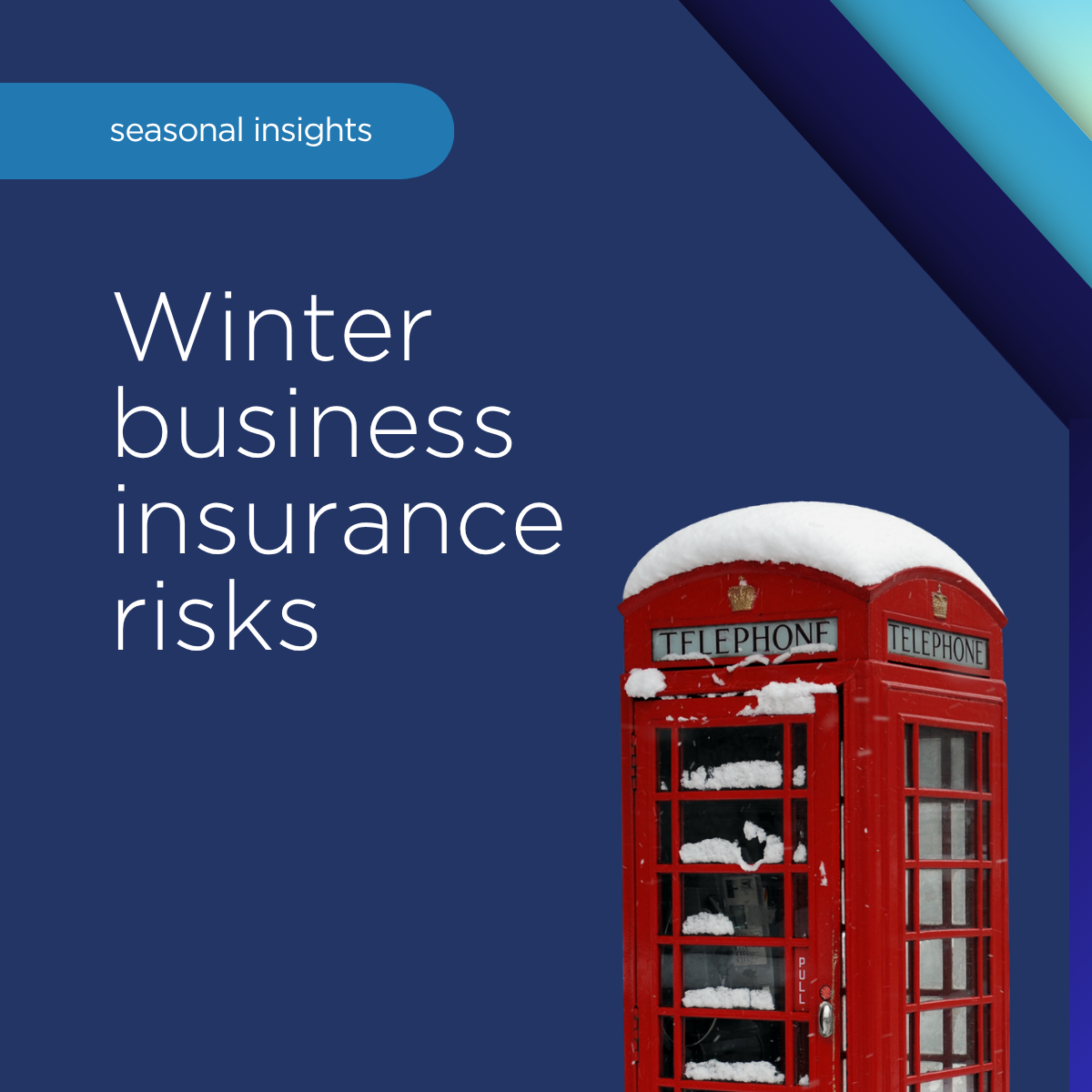
Winter insurance risks every business should prepare for

Winter brings festive spirit, but it also brings some of the most challenging conditions of the year for businesses. From frozen pipes to storm damage, icy roads, seasonal shutdowns and increased theft risks, winter can pose significant threats to premises, vehicles and ongoing trading.

For driving instructors, motor traders, landlords, commercial vehicle operators and general business owners, understanding winter risks – and taking steps to minimise them – is essential for safety, continuity and protecting your future insurance premiums.

Why managing winter risk matters

Insurance should never be the first line of defence. If a claim can be avoided through good risk management, businesses may benefit from:

  • Reduced chances of costly interruption
  • Lower long-term insurance premiums
  • Greater safety for staff, customers and visitors
  • Protecting brand reputation

Many winter claims are preventable – which makes planning and prevention key.

Common winter insurance risks and how to manage them

We’ve rounded up some of the most common winter risks and shared practical tips to help you reduce them. Please note, this is general guidance and not a substitute for professional advice from organisations such as RoSPA, the Environment Agency or other relevant bodies.

Frozen and burst pipes in commercial properties

Low temperatures can freeze water in pipework, causing ruptures and major water damage when the ice thaws. These claims are among the most common (and expensive) winter losses for landlords and business owners.

Common causes:

  • Poor insulation
  • No heating during closures
  • Unoccupied premises
  • Undetected slow leaks

How to reduce the risk:

  • Keep heating on low (12–15°C) in cold snaps
  • Lag pipes and water tanks
  • Install leak detection or smart water-shutoff devices
  • Drain systems if buildings will be fully closed
  • Check lofts, basements and remote areas regularly
  • Know where the stopcock is

For landlords, ensuring tenants know these steps – and including obligations in tenancy agreements – is vital.

Unoccupied offices during Christmas shutdown

Many businesses power down over Christmas and assume nothing will go wrong – but insurers often see the opposite. Water leaks, burst pipes, break-ins and unnoticed damage can go undetected for days.

Risk-reducing actions:

  • Formal shutdown procedures
  • Inspection during closure where possible
  • Maintain minimum heating levels
  • Ensure security systems are working
  • Remove cash and portable equipment
  • Advise insurers if a building will be unoccupied for extended periods (insurers sometimes require notification beyond 30 days.)

Driving risks: icy roads, reduced visibility and increased accident potential

Driving instructors, motor traders, commercial fleet owners and business owners with company vehicles face higher accident risk in winter due to:

  • Snow and ice
  • Standing water
  • Reduced daylight
  • Black ice
  • High winds
  • Fog

Protective measures:

  • Winter tyres where appropriate
  • Ensure vehicle servicing is up to date
  • Stock emergency kits (torches, blankets, visibility gear)
  • Encourage defensive driving practices
  • Plan routes to avoid high-risk areas
  • Allow extra travel time and avoid unnecessary journeys

Driving instructors face an additional challenge during tests – learner drivers already operate at the edge of their skill level. Demonstrating risk assessments and safe operational planning helps strengthen insurance defensibility in the event of a claim.

Flood risk – not just a coastal problem

Rainfall spikes and snowmelt can cause:

  • Flooding of workshops and offices
  • Water ingress into commercial vehicles
  • Damage to equipment, stock or computer systems
  • Disruption to trading

Risk reduction steps:

  • Use flood barriers or sandbags if in a known flood area
  • Store valuable items off ground level
  • Install non-return valves on drainage where possible
  • Check guttering and roof drainage regularly
  • Ensure staff know emergency evacuation procedures

Motor traders should prioritise safe vehicle storage and review policies to ensure flood cover is included – as some policies exclude it unless specified.

Storm damage to buildings and yards

High winds, falling trees and flying debris frequently cause insurance claims over winter.

Preventative checks

  • Inspect roof tiles, flashing and fixings
  • Secure signage and external displays
  • Trim trees and remove dead branches
  • Store loose items indoors or secure them
  • Check cladding, gates and fencing

Not only does this help to reduce claims, it can prevent indirect losses such as lost trading hours, staff safety incidents and emergency repairs at peak periods.

Increased theft & crime risks over winter

The early nights mean more hours of darkness – ideal for opportunistic crime. Motor traders, landlords and businesses storing vehicles or high-value assets are particularly at risk.

Prevention measures:

  • CCTV and motion-triggered lighting
  • Good perimeter security
  • Secure keys in industry-approved safes
  • Remove valuables from vehicles overnight
  • Alarm systems linked to monitoring services
  • Shuttered windows and reinforced entry points

Keep security maintenance logs – insurers often request proof after a claim.

Christmas-related risks

The festive season may be enjoyable but it also brings unique hazards:

For businesses:

  • Electrical fires from temporary lighting
  • Increased waste leading to fire risk
  • Distracted staff and shortcuts on safety
  • Higher customer footfall risks in retail settings

For landlords:

  • Tenants away during cold spells
  • Increased heating and electrical demand
  • Alcohol-related fire and damage issues

Risk controls:

  • PAT test temporary electrics
  • Avoid overloading sockets
  • Keep escape routes clear
  • Remind tenants to maintain heating
  • Carry out extra checks before closure

Industry-specific winter risk focus

Driving instructors:

  • Dangerous road conditions for learners
  • Higher chance of collisions and injury
  • Last-minute test cancellations
  • Increased demand for vehicle maintenance

Key priority: Extra caution, tyre and brake checks and recording pre-lesson vehicle inspections can help protect against liability.

Motor traders:

  • Flooding or storm damage to forecourts
  • Vehicles damaged in high winds or ice
  • Theft in darker hours

Key priority: Secure vehicle storage, reinforced security and ensuring policy wording specifically protects stock vehicles in the open.

Landlords:

  • Unoccupied or poorly heated properties
  • Tenant negligence
  • Burst pipes and water claims

Key priority: Clear heating requirements in tenancy agreements and proactive communication before cold snaps.

Commercial vehicle owners:

  • Road accidents
  • Breakdown delays
  • Greater risk of lost deliveries or missed appointments

Key priority: Regular vehicle servicing, winter tyres and journey planning with built-in contingency.

General business owners:

  • Premises left vacant during shutdowns
  • Storm damage
  • Business interruption

Key priority: Formal winter risk plans and checking whether insurance policies include business interruption cover.

Final word: prevention pays

Winter insurance claims are common, costly and often avoidable. Whether you’re a landlord, driving instructor, motor trader or business owner, taking simple proactive steps now can help you to avoid a headache tomorrow.

If you’d like help reviewing your winter insurance cover or checking whether your policies include the right protection, now is the perfect time to act – before the temperature drops. Simply give our team a call on 01233 222 562 and we’d be happy to assist with any questions.

Road Safety Week: why it matters to your business

Road Safety Week, led by the charity Brake, is the UK’s biggest annual road safety campaign. It’s a time to spotlight the human cost of road accidents – over 1,700 lives lost and 30,000 serious injuries each year on UK roads. But beyond the tragic statistics, it’s also an opportunity for businesses to reflect on how road safety directly impacts their operations, reputation and insurance premiums.

The link between road safety and insurance

Whether you operate a fleet of vehicles or rely on staff commuting daily, road safety is a business issue. Here’s how it connects to your insurance:

  • Fewer accidents = fewer claims: Every incident – from minor collisions to serious crashes – can trigger a claim. Over time, a high claims history can push up your premiums or even affect your insurability.
  • Driver behaviour matters: Insurers increasingly use telematics and driver monitoring to assess risk. Businesses that promote safe driving habits may benefit from lower premiums and better policy terms.
  • Goods in Transit and Commercial Motor Insurance: If your business transports goods, Road Safety Week is a great time to review your Goods in Transit cover. Damaged or stolen cargo due to unsafe driving or poor route planning can lead to costly claims. Safer practices help to reduce that risk.

Risk management: a win-win strategy

Investing in road safety isn’t just about compliance – it’s about protecting your people and your profits. Here are a few steps you can take:

  • Review and update your driver training programs: Make sure all drivers understand speed limits, fatigue management and vehicle maintenance protocols.
  • Implement vehicle safety checks: Regular inspections can prevent breakdowns and accidents, especially in commercial fleets.
  • Use data to improve safety: Telematics systems can help you monitor driving behaviour and identify areas for improvement.
  • Communicate your policies clearly: Ensure all staff know your expectations around road safety – and the consequences of unsafe behaviour.

In conclusion

Road Safety Week isn’t just about awareness – it’s about action. For businesses, that action can lead to safer roads, healthier employees and more affordable insurance. Let’s make every journey a safer one.

Be ready for the rush: preparing your Business Insurance for the festive season

Retail, hospitality and restaurant businesses see a surge in activity during the festive period – here’s how to make sure your insurance keeps up.

The Christmas season is a golden opportunity for UK businesses, especially in the retail, restaurant, and hospitality sectors. With increased footfall, extended hours and higher stock levels, it’s a time of growth – but also heightened risk. Preparing your Business Insurance now can help you avoid costly surprises and keep your operations running smoothly.

Here’s what to review and update before the festive rush begins:

Review your stock and contents cover

Retailers and restaurants often increase inventory in anticipation of holiday demand. Whether it’s festive menus, gift items or seasonal décor, your stock levels may exceed your usual insured limits.

  • Check your policy’s maximum stock value – is it enough to cover your seasonal increase?
  • Update your insurer if you’re storing stock off-site or in temporary locations.
  • Include high-value seasonal items like tech, alcohol or luxury goods.

Update your Business Interruption Insurance

With higher turnover expected, any disruption during the festive season could hit harder than usual. Business Interruption Insurance helps cover lost income if you’re forced to close due to events like fire, flood or other insured damage.

  • Review your estimated gross profit to ensure it reflects seasonal peaks.
  • Confirm your indemnity period is long enough to recover from a major incident.
  • Consider adding cover for supply chain delays or utilities failure.

Check Public and Employers’ Liability Cover

Winter weather and busy venues increase the risk of accidents. From icy pavements to crowded dining areas, liability claims can spike during the winter months and over the festive period.

  • Ensure your Public Liability Insurance covers increased footfall and festive events.
  • Confirm your Employers’ Liability Insurance includes temporary or seasonal staff.
  • Always document safety procedures and staff training throughout the year to support any future claims.

Hospitality-specific considerations

Hotels, pubs and event venues often host Christmas parties, corporate gatherings and New Year celebrations. These bring unique risks:

  • If you’re hosting live entertainment or fireworks, check for event-specific cover.
  • Review your alcohol licensing and liability – especially for late-night trading.
  • Ensure your Contents Insurance includes festive decorations and rented equipment.

Avoid auto-renewals – review your policy now

Many businesses let their insurance auto-renew without checking if it is still adequate. But with seasonal changes in turnover, staffing and operations, now is the time to reassess.

  • Work with a broker to compare quotes and review your cover.
  • Ask about flexible policies with seasonal stock increases that adjust with your business needs.
  • Keep documentation up to date – especially receipts, staffing records and risk assessments.

Final thoughts

The festive season should be a time of celebration, not stress. By reviewing your Business Insurance now, you can focus on serving customers, increasing revenue and making the most of the holidays.
Need help reviewing your policy? QMT Commercial is here to guide you – so you can trade confidently this Christmas. Simply get in touch with one of our helpful advisors.

Why cheap insurance isn’t always the best insurance 

We all love a good deal. Whether it’s a discounted dinner or a budget-friendly holiday, saving money feels great. But when it comes to insurance – the safety net that protects your business, assets and livelihood – going cheap may come at a steep cost.

At QMT Commercial Insurance Brokers, we’ve seen firsthand how “bargain” policies can leave clients exposed when they need protection the most. Here’s why cheap insurance isn’t always the best insurance – and what to look out for.

The risks of low-cost policies

Cheap insurance often means more basic cover. It might tick the legal boxes, but it won’t necessarily cover the day to day risks your business faces. Here are some common pitfalls:

  • Limited cover: Budget policies may exclude key protection like accidental damage or could have lower indemnity limits.
  • Higher excess: Lower premiums can come with a higher excess, meaning you pay more out-of-pocket when making a claim.
  • Reduced customer service: Cut-price providers may have less support staff, potentially leading to longer hold or response times.
  • Additional fees: Some policies look cheap but may include additional charges for changes or cancellations.

Why it pays to invest in insurance cover

Insurance isn’t just a line item – it’s a strategic safeguard. Paying a little more for a policy could save you hundreds or even thousands in the long run. Taking care when choosing your insurance policy can provide:

  • Peace of mind: Knowing you’re covered for the unexpected, not just the bare minimum.
  • Well-rounded protection: Policies that have been designed to meet the needs of your business.
  • Responsive support: A broker who’s there when you need them, not just when it’s time to renew.

How QMT Commercial helps you get value – not just price

At QMT Commercial Insurance Brokers, we don’t believe in one-size-fits-all cover. We take the time to understand your business, assess your risks and recommend policies that suits your needs and budget – without cutting corners.

We’re here to help you make informed decisions, not just fast ones. That means:

  • Clear explanations (less jargon, less waffle)
  • Straightforward advice about what you really need
  • Ongoing support throughout your policy lifecycle

What you can do today

  • Review your current policy for exclusions and limitations
  • Schedule a catch up with our broker to discuss your insurance arrangements
  • Consider the long-term impact of your insurance choices – not just the upfront cost

Cheap insurance might look good on paper, but when the unexpected happens, you’ll want a policy that actually delivers. Let’s help to make sure you’re protected – properly.

Ready to talk? Contact QMT Commercial Insurance Brokers today for a no-obligation review.

On-the-day Business Insurance checks for Fireworks Night

Before the crowds arrive and the sky lights up, UK businesses should run through these key insurance checks to help stay protected on Bonfire Night.

Fireworks Night is one of the busiest – and riskiest – nights of the year for UK businesses. Whether you’re hosting a display, extending your opening hours or operating near a public event, it’s essential to make sure your insurance is ready to handle the unexpected. Here’s a practical checklist of on-the-day insurance checks to help you stay safe and compliant.

Confirm your Public Liability cover

If you’re hosting or involved in a fireworks display, Public Liability Insurance is vital. It helps to protect your business if a member of the public is injured or their property is damaged due to your event.

  • Check your policy limits – are they high enough for a large crowd?
  • Ensure fireworks and bonfires are explicitly covered.
  • If you’ve hired contractors or vendors, confirm they have their own liability cover.

Review your Property Insurance

Bonfire Night sees a spike in fire damage, vandalism and theft claims [1]. Make sure your premises are protected:

  • Confirm your fire protection systems (alarms, extinguishers) are working.
  • Check that your policy covers accidental fire and malicious damage.
  • Review RoSPA guidance (e.g. securing outdoor areas and removing flammable materials).

Check Employers’ Liability Cover

If staff are working during the event – especially in crowd control, catering or setup – your Employers’ Liability Insurance must be active and adequate.

  • Ensure temporary or volunteer staff are included in your policy.
  • Brief your team on safety procedures and emergency protocols.

Validate event-specific insurance

If you’ve taken out Event Insurance for Bonfire Night, double-check the details:

  • Confirm the policy start and end times match your event schedule.
  • Review exclusions – some policies won’t cover pyrotechnics unless handled by professionals.
  • Keep a copy of your certificate and emergency contact numbers on hand.

Understand your exclusions

Many standard business policies exclude high-risk activities like fireworks unless declared in advance. In good time before the event:

  • Re-read your policy’s exclusions section.
  • Contact your broker if you’re unsure whether your event is covered.
  • Avoid last-minute changes that could invalidate your cover.

Final tip: keep your broker in the loop

If anything changes – like a bigger crowd, new vendors or extended hours – let your insurance broker know immediately. They can advise on whether your cover is adequate or if you need a temporary extension.

At QMT Commercial, we help businesses stay protected when the stakes are high. Fireworks Night should be a celebration – not a liability.

Need help reviewing your cover today? Contact us for practical advice and peace of mind.

Sources:

  1. https://fsb-insurance-service.com/fsb-insurance-service-blog/bonfire-night-fireworks-keep-your-business-safe/

Talk Money Week 2025: Why UK businesses should join the conversation on insurance and financial wellbeing

As Talk Money Week 2025 kicks off from 3rd – 7th November, QMT Commercial Insurance Brokers is proud to support this national initiative encouraging open conversations about money. This year’s theme, “Start the Conversation” is a timely reminder that financial wellbeing isn’t just personal – it’s professional too.

What is Talk Money Week?

Led by the Money and Pensions Service, Talk Money Week is an annual campaign designed to break the taboo around discussing finances. Whether it’s budgeting, saving, pensions or debt, the goal is to make money a normal topic of conversation in homes, schools and workplaces.

For businesses, this is a golden opportunity to engage employees, clients and stakeholders in meaningful financial dialogue. At QMT Commercial, we believe that financial confidence leads to better decision-making, stronger relationships and reduced stress – especially when it comes to protecting your business.

Why business insurance should be part of the conversation

While personal finance often takes centre stage, business insurance is a critical yet overlooked aspect of financial wellbeing. Here’s why it deserves attention during Talk Money Week:

  • Risk awareness: Many businesses underestimate the risks they face – from cyber threats to liability claims. Talking openly about these risks helps businesses prepare and protect themselves.
  • Cost clarity: Insurance premiums can be confusing. Breaking down what you’re paying for – and why – empowers business owners to make informed choices.
  • Cover confidence: Too often, businesses discover gaps in their cover after a crisis. Regular reviews and open discussions help to ensure that your cover keeps pace as your business evolves.

How QMT Commercial is supporting Talk Money Week

At QMT Commercial, we’re using Talk Money Week to:

  • Offer free consultations for businesses to review their current insurance policies
  • Share educational content about business insurance on our website and social channels.

We believe that transparency and trust are the foundation of good financial health. Whether you’re a startup or a seasoned enterprise, now is the time to ask: Are we financially protected? Are we talking about it enough?

Final thoughts

Talk Money Week isn’t just about spreadsheets and savings – it’s about empowerment. By including business insurance in the conversation, UK companies can help to build resilience, help reduce stress and foster a culture of financial wellbeing.

At QMT Commercial, we’re here to help you protect what matters. Let’s start the conversation today – contact us about your business insurance arrangements.

Storm Amy: What businesses and drivers need to know

As Storm Amy barrels toward the UK with winds reaching up to 80mph and torrential rain expected across northern and western regions, it’s more than just a weather event – it’s a serious risk to life, property and business continuity. As your trusted insurance broker, we want to help you understand the risks and take proactive steps to help protect what matters.

Driving during Storm Amy: A risk not to be underestimated

The RAC has warned that driving during Storm Amy will be “treacherous,” especially in affected areas like Scotland, Northern Ireland and Northwest England [1]. Here’s why:

  • Reduced visibility & surface water: Heavy rain will impair visibility and increase stopping distances.
  • Flying debris: High winds can send roof tiles, branches and signage into the road.
  • Flooding: Localised flooding can cause catastrophic vehicle damage and pose a risk to life.
  • High-sided vehicles: These are particularly vulnerable to crosswinds on exposed routes.

Insurance Tip: If you operate a fleet or rely on HGVs, ensure your drivers are briefed on storm protocols. Review your motor insurance policy to confirm cover for storm-related incidents.

Storm risks to commercial buildings

Storm Amy is expected to bring significant disruption to commercial properties, especially in coastal and exposed areas [2]. Risks include:

  • Roof damage: Loose tiles or weak structures can be torn off, leading to water ingress.
  • Flooding: Western Scotland could see up to 50mm of rain in just 6–9 hours [1]
  • Power cuts: These can disrupt operations and damage electrical equipment.
  • Flying debris: Unsecured outdoor items can become projectiles.

How to protect your business premises

Here are practical steps to help reduce risk and potential insurance claims:

Building & grounds preparation:

  • Inspect roofs: Fix loose tiles and check chimney stacks.
  • Clear gutters & drains: Prevent water build-up and flooding.
  • Secure outdoor fixtures: Fasten signage, bins, and storage units.
  • Trim trees: Remove overhanging branches that could fall.

Internal safety measures:

  • Unplug non-essential equipment: Prevent electrical damage.
  • Know emergency shut-offs: Be ready to cut power, gas or water.
  • Elevate valuables: Store important documents and electronics above ground level.

Vacant property precautions:

  • Maintain low heating: Prevent frozen pipes.
  • Insulate vulnerable areas: Especially lofts and crawl spaces.
  • Assign a property checker: Regular inspections can catch issues early

Advice from QMT Commercial

Storms like Amy are a reminder of why insurance matters. Here’s what we recommend:

  • Review your policies: Ensure your commercial property, contents and business interruption cover are up to date.
  • Document everything: Take photos before and after the storm for any potential claims.
  • Know your excess: Understand what you’ll need to pay in the event of a claim.
  • Emergency contacts: Keep your insurer’s helpline and local emergency services numbers handy.

Stay safe, stay covered

Storm Amy is a powerful reminder of nature’s unpredictability. But with the right preparation and insurance cover, you can weather the storm with greater confidence. If you’re unsure about your current policy or want to discuss additional cover, get in touch with us on 01227 285 540.

Sources:

  1. https://www.msn.com/en-gb/news/uknews/uk-to-be-battered-by-80mph-winds-as-first-named-storm-of-season-approaches/ar-AA1NEXvB
  2. https://www.msn.com/en-gb/weather/topstories/met-office-maps-show-where-storm-amy-will-hit-uk-with-heavy-wind-and-rain/ar-AA1NIx76

How to save money on Business Insurance in the UK: a smart guide for SMEs

range of risks. However, that doesn’t mean you have to overpay for it.

In this post, we’ll explore practical ways to save money on business insurance without cutting corners on the cover you need.

1. Understand what cover you actually need

Business insurance isn’t one-size-fits-all. Depending on your industry, size and operations, you might need:

  • Public liability insurance
  • Employers’ liability insurance (a legal requirement for most UK businesses if you have staff)
  • Professional indemnity insurance
  • Business contents insurance
  • Cyber insurance

Tip: Speak with a reputable insurance broker to identify what’s essential and what’s optional. Some add-ons (such as key cover and excess protection) can provide additional protection at a nominal price – consider these carefully and avoid any you’re unlikely to use.

2. Shop around and compare quotes

It might sound obvious, but many businesses stick with the same insurer year after year. Loyalty doesn’t always pay when it comes to insurance.

That’s why it’s worthwhile to work with an independent commercial insurance broker who can access deals that might not be available to you directly and negotiate on your behalf.

3. Combine policies for discounts

Many insurers offer economies of scale when you purchase several types of cover through the provider or policy. For example, combining public liability and employers’ liability could help save you money.

Plus, it’s super convenient to have your insurance cover all in one place.

4. Increase your excess

Choosing a higher voluntary excess (the amount you pay in the event of a claim) can reduce your premium and may make sense if you have not made a claim for a number of years. Just make sure the excess is still affordable if you ever need to claim. If you make claims on a regular basis, this option may not be right for you.

5. Pay annually instead of monthly

Monthly payment plans often include interest or fees, which can add up. Where cash flow allows, paying annually can result in a noticeable saving.

6. Improve risk management

Insurers love businesses that take safety seriously. Lower risk generally means lower premiums. You can often reduce your costs by:

  • Installing security systems (alarms, CCTV, telematics)
  • Careful recruitment (employing clean, experienced drivers)
  • Offering employee training (especially for manual jobs)
  • Following cyber security best practices

Some insurers may even offer discounts for ISO certifications or industry-specific accreditations.

7. Maintain a clean claims history

Like car insurance, a good claims history usually means better rates. Avoid making small claims if you can cover the cost yourself – it may help you save more in the long run.

Report incidents quickly, even when you are not intending to claim yourself – this brings the matter to your insurer’s attention and helps them mitigate costs from the third party.

During the claims process, follow up with your insurer’s claims team regularly to help keep things moving and respond to queries quickly to prevent delays and spiralling costs (e.g. car hire charges).

8. Reassess every year

Your business evolves and so does your insurance needs. As a broker, we don’t auto-renew policies, as this can lead to:

  • Being over-insured (paying for cover you no longer need)
  • Being under-insured (risking gaps in protection)
  • Missing better offers available elsewhere

Our experience of working with businesses across the UK helps us to understand your risk profile and we know a good deal when we see one. We’ll advocate on your behalf with your current provider and prospective insurers to secure your renewal.

Final thoughts

Business insurance is essential, but overpaying is optional. With a bit of research and the right strategy, UK business owners can secure solid coverage at a sensible price.

Saving on business insurance isn’t about cutting corners – it’s about being smart.

Need help?
Speak with one of our commercial insurance advisors who will help you find a range of insurance solutions suited to your business.

Head Office:
01227 285540
quotes@quotemetoday.co.uk

Ashford Branch:
01233 222 562
quotes@qmtcommercial.co.uk

Honouring lives and driving change: National Road Victim Month and the role of insurance

ery August, the UK observes National Road Victim Month – a solemn time to reflect on the lives lost or affected by road traffic incidents. This month is not only a moment of remembrance but also a crucial opportunity to raise awareness about road safety, support affected families and advocate for change in how we approach driving risks.

Why National Road Victim Month matters

Founded by the charity RoadPeace, National Road Victim Month shines a light on the long-term consequences of road collisions. It honours victims, supports grieving families and challenges society to prioritise safer roads.

August was chosen due to a tragic alignment of historic accidents:

  • Princess Diana died in a car crash on 31st August 1997.
  • Dr. William Price became the first road fatality in Britain in August 1896.
  • Road deaths often peak during the summer months due to increased travel.

Understanding the role of insurance

Whether you’re a driver, passenger, cyclist or pedestrian, insurance can provide critical protection in the event of a road incident. Key types include:

  1. Motor Insurance
    Legally required in the UK, it covers:
    • Damage to your vehicle
    • Liability for injury or death to others
    • Third-party property damage
    • Comprehensive policies may also cover theft, fire and non-collision damage.
    • Personal Injury Cover – some policies offer additional protection for personal injury – helping with rehabilitation costs, loss of earnings or even psychological support.
  2. Life Insurance and Critical Illness Cover
    In fatal or life-altering accidents, these policies can provide much-needed financial stability for loved ones left behind.
  3. Uninsured Driver Protection
    Unfortunately, not all drivers are properly insured. Adding this cover can protect you from those who don’t take responsibility for their presence on the road.

Road safety and responsibility

Insurance is a safety net – but prevention is always better than payout. National Road Victim Month is a reminder for everyone to:

  • Obey speed limits
  • Avoid distractions while driving
  • Never drive under the influence
  • Wear seatbelts and use safety gear
  • Advocate for better infrastructure and education

How to support the cause

You can take part in National Road Victim Month by:

  • Supporting RoadPeace and similar charities
  • Sharing resources on social media
  • Reviewing your own insurance cover and safety habits

Final thoughts

Road collisions are often sudden, tragic and life-changing. While no amount of money can undo the harm, insurance can provide a financial lifeline, allowing you time to focus on what’s most important: your emotional wellbeing.

This August, let’s remember the victims, support the survivors, and commit to making our roads safer for everyone.

QMT Commercial achieves Cyber Essentials certification: a milestone in cybersecurity commitment

At QMT Commercial, we’re thrilled to announce that we have officially achieved Cyber Essentials certification – a key UK government-backed standard in cybersecurity. This milestone reflects our ongoing commitment to protecting our systems, our data and most importantly, our customers.

Cyber Essentials is a widely respected scheme designed to help organisations of all sizes guard against common cyber threats. It demonstrates that we have implemented key cybersecurity measures and practices – and that we take our digital responsibilities seriously.

Why it matters

With the increasing volume and sophistication of cyberattacks, it’s more important than ever for businesses to demonstrate they are taking active steps to protect themselves and their customers. By becoming Cyber Essentials certified, we have helped to:

  • Secure our internet-facing systems against common threats
  • Protect sensitive client and business information
  • Strengthen our internal IT processes
  • Show our clients and partners that we’re serious about cybersecurity

This certification isn’t just a checkbox for us, it’s a meaningful step in making sure that QMT Commercial continues to be a trusted, secure partner in the insurance industry.

A proud moment

Achieving Cyber Essentials certification is a proud moment for our team. It’s a reflection of the hard work and vigilance we’ve dedicated to securing our infrastructure and aligning with industry best practices.

We would like to thank everyone involved in the process, from our internal IT and compliance teams to third parties and auditors. Your hard work made this possible.

What’s next?

Cybersecurity isn’t a one-time event – it’s an ongoing journey. With Cyber Essentials in place, we’re already looking ahead to how we can build upon this foundation, enhance our security further, and explore additional certifications in the future.

At QMT Commercial, your trust means everything to us. This certification is one more way we’re showing that your data, and your peace of mind, are in safe hands.

QMT Commercial - Call us today