New!

QMT Commercial Insurance Brokers - Travel Insurance

Travel
Insurance

Travel Insurance Plane Icon

New! Travel Insurance

New!

QMT Commercial Insurance Brokers - Travel Insurance

Travel
Insurance

Travel Insurance Plane Icon

New! Travel Insurance

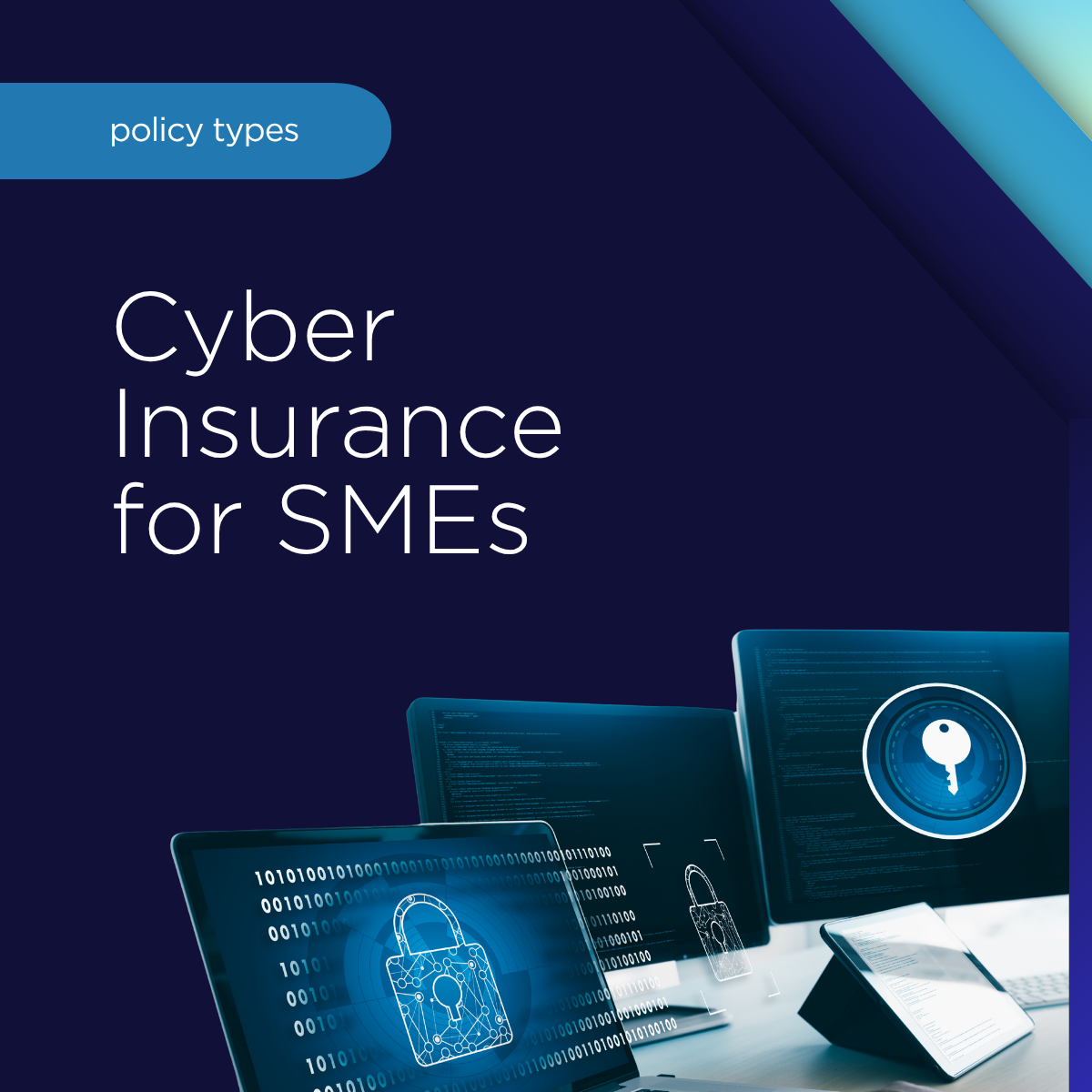
Cyber Insurance for SMEs: What you need to know

In today’s hyper-connected world, cyber threats are no longer reserved for large corporations. Small and medium-sized enterprises (SMEs) are also targeted by cybercriminals, often with devastating consequences. At QMT Commercial Insurance Brokers, we’re urging businesses to act now and make Cyber Cover part of their insurance strategy. 

Here’s what you need to know to protect your business in 2026 and beyond. 

Why SMEs are prime targets 

Cyber attacks on SMEs are still fairly common. Hackers know that smaller businesses often lack the advanced security infrastructure of larger firms, making them easier targets. In 2025 alone, high-profile breaches have disrupted major UK brands, but SMEs are just as vulnerable.  

Even if your business isn’t directly attacked, you can suffer losses through third-party breaches, supplier vulnerabilities or malware spread via shared platforms.  

What Cyber Insurance covers 

Cyber Insurance helps mitigate the financial fallout from incidents such as: 

  • Data breaches and customer information leaks 
  • Ransomware attacks and extortion demands 
  • Business interruption due to system outages 
  • Legal costs and regulatory fines 
  • Reputation management and PR support 

Modern policies are evolving from reactive to proactive – offering continuous risk assessments and support throughout the policy term. 

Is Cyber Insurance tax-deductible? 

In most cases, Cyber Insurance premiums are considered a business expense and can be deducted from your taxable profits. However, it’s important to consult your accountant to ensure your policy is structured correctly for tax efficiency. 

What to look for in a policy 

When choosing Cyber Insurance, SMEs should consider: 

  • Cover limits: Ensure they match your exposure 
  • Incident response support: Look for 24/7 access to experts 
  • Third-party liability: Especially if you handle client data 
  • Compliance support: Help with GDPR and other regulations 
  • Risk management tools: Some insurers offer training and monitoring 

Premiums are rising and underwriting is more rigorous – a broker will help you to compare price and cover levels to find a policy that balances protection with affordability.

Cyber Essentials and insurance 

In the UK, Cyber Essentials certification is increasingly expected by insurers. It demonstrates that your business has basic cyber hygiene in place – and may even help to reduce your premiums. 

How QMT Commercial can help 

At QMT Commercial Insurance Brokers, we help SMEs: 

  • Assess their cyber risk exposure 
  • Find policies that fit their budget and needs 
  • Access tips and advice on staying ahead of evolving threats 

Final thoughts 

Cyber Insurance isn’t just a safety net, it’s a strategic asset. As digital threats grow, SMEs must be proactive in protecting their data, operations and reputation. With the right cover in place, you can face the future with confidence. 

Ready to review your cyber protection? Contact QMT Commercial Insurance Brokers today and let’s help secure your business together. 
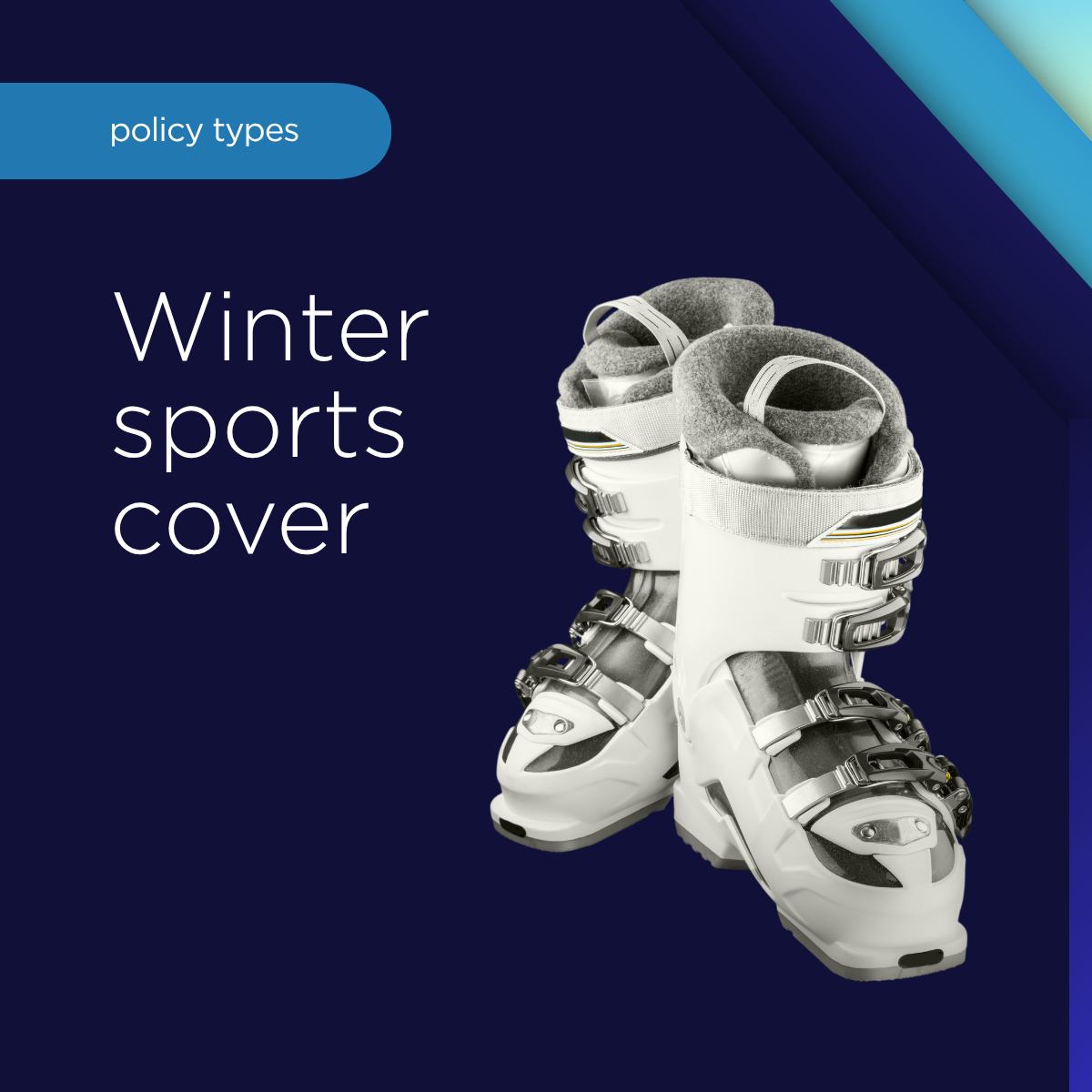
Going skiing? Things to consider on your Travel Insurance

Before you hit the slopes, make sure your policy is as solid as the snow beneath your skis. Here’s what every winter sports traveller needs to know.

A skiing holiday is one of life’s great adventures – crisp mountain air, breathtaking scenery and the thrill of the descent. But before you pack your salopettes and snap on your boots, there’s one vital item on the checklist that’s easy to overlook: the right travel insurance. Standard policies often won’t cut it for a ski trip and the consequences of being under-covered in a mountain resort can be severe – and expensive.

At QMT Commercial, we’ve teamed up with Travel Insurance specialists Just Travel Cover to give you a clear picture of what to look for – and what to watch out for – when arranging travel insurance for your skiing holiday.

Why standard Travel Insurance isn’t enough

Many travellers assume their travel policy covers everything. In reality, most standard travel insurance policies explicitly exclude winter sports or limit cover in ways that could leave you seriously out of pocket.

A helicopter mountain rescue alone can cost thousands of pounds – and that’s before any hospital treatment begins.

Winter sports cover is typically available as an add-on to a standard policy or through a specialist insurer like Just Travel Cover who understand the unique risks of skiing and snowboarding. Either way, it pays to read the small print carefully.

Top tip: Always declare winter sports activities when arranging your policy. Failing to disclose that you’ll be skiing or snowboarding is likely to invalidate your claim entirely – even if your injury is unrelated to the activity itself. Be upfront from the start.

Medical cover and mountain rescue

This is the big one. Medical expenses in ski resorts – particularly in the Alps, North America or Japan – can be eye-watering.

Check that your policy includes comprehensive medical cover and whether it covers mountain rescue and helicopter evacuation. These costs may be excluded from basic policies, yet they represent some of the most significant expenses you could face on a ski trip.

Top tip:  If you’re travelling within Europe, a UK Global Health Insurance Card (GHIC) provides access to state-provided healthcare – but it is not a substitute for travel insurance. It won’t cover private treatment, repatriation or mountain rescue costs.

Ski equipment cover

Skis, boots, poles and helmets represent a significant investment. Your policy should cover loss, theft and damage to your own equipment. Check the single-item limit carefully – as many policies cap individual items at £200–£300.

If you’re hiring equipment at the resort, look for ski hire cover on your policy. This reimburses hire costs if your own equipment is lost or damaged in transit or if you’re injured and unable to ski. It’s a small addition that can save considerable expense.

Piste closure and bad weather delays

You’ve paid for a week on the slopes, but what if there’s no snow – or too much of it? Some winter sports policies include piste closure cover, which provides a daily benefit if the slopes are shut due to lack of snow or avalanche risk and you’re forced to travel to an alternative resort.

Similarly, avalanche cover can reimburse additional accommodation and transport costs if you’re stranded due to road closures. These are the kinds of details that you should check when choosing your Travel Insurance cover.

Off-piste and advanced activities

Planning to venture beyond the marked runs? This is where many policies draw a sharp line. Off-piste skiing and snowboarding is frequently excluded unless specifically stated and even then it may require you to be accompanied by a qualified guide.

Other activities to check include ski touring, snowmobiling, ski jumps and freestyle skiing. If you’re planning any activities beyond standard piste skiing, confirm cover explicitly before you travel.

Good to know

Helmets may affect your cover

Some insurers now require you to wear a helmet while skiing or snowboarding as a condition of your policy. If you suffer a head injury without wearing one, your claim could be refused. Always check the policy conditions – and wear a helmet regardless.

Pre-existing medical conditions

If you or anyone travelling with you has a pre-existing medical condition, it’s essential to declare it when taking out your policy. Just Travel Cover works with a wide range of insurers who cover people with medical conditions, ensuring that existing health issues don’t leave you without the protection you need on the slopes.

Failing to declare a condition – even one you don’t consider relevant – can void your policy entirely. It’s always better to disclose and pay a slightly higher premium than to face a refused claim thousands of miles from home.

Ski pack and course fees

If an injury prevents you from skiing, a good winter sports policy will reimburse the unused portion of your lift pass, ski school fees and pre-booked lessons. Known collectively as ski pack cover, this is a valuable inclusion that’s easy to overlook when comparing policies on price alone. Look for this listed explicitly in the policy schedule.

Travel disruption and cancellation

Skiing holidays are often booked months in advance – and life doesn’t always go to plan. Ensure your policy includes robust cancellation cover from the moment you book, not just from the date of travel. This protects your investment if illness, bereavement or other unforeseen circumstances prevent you from travelling.

Cancellation cover should reflect the full cost of your trip – underinsuring here is a common and costly mistake.

A final word from QMT Commercial

Skiing is exhilarating, but it can also be dangerous, even if you take the utmost care. The right travel insurance policy isn’t a luxury; it’s the foundation of a worry-free winter holiday.

At QMT Commercial, we work with trusted specialist partners like Just Travel Cover to help our customers find policies that genuinely reflect the activities they’re undertaking. Don’t let an unsuitable policy spoil what should be an unforgettable trip.

Ready to hit the slopes? Get a winter sports travel insurance quote today – remember to opt to include the winter sports extension on our online quote.

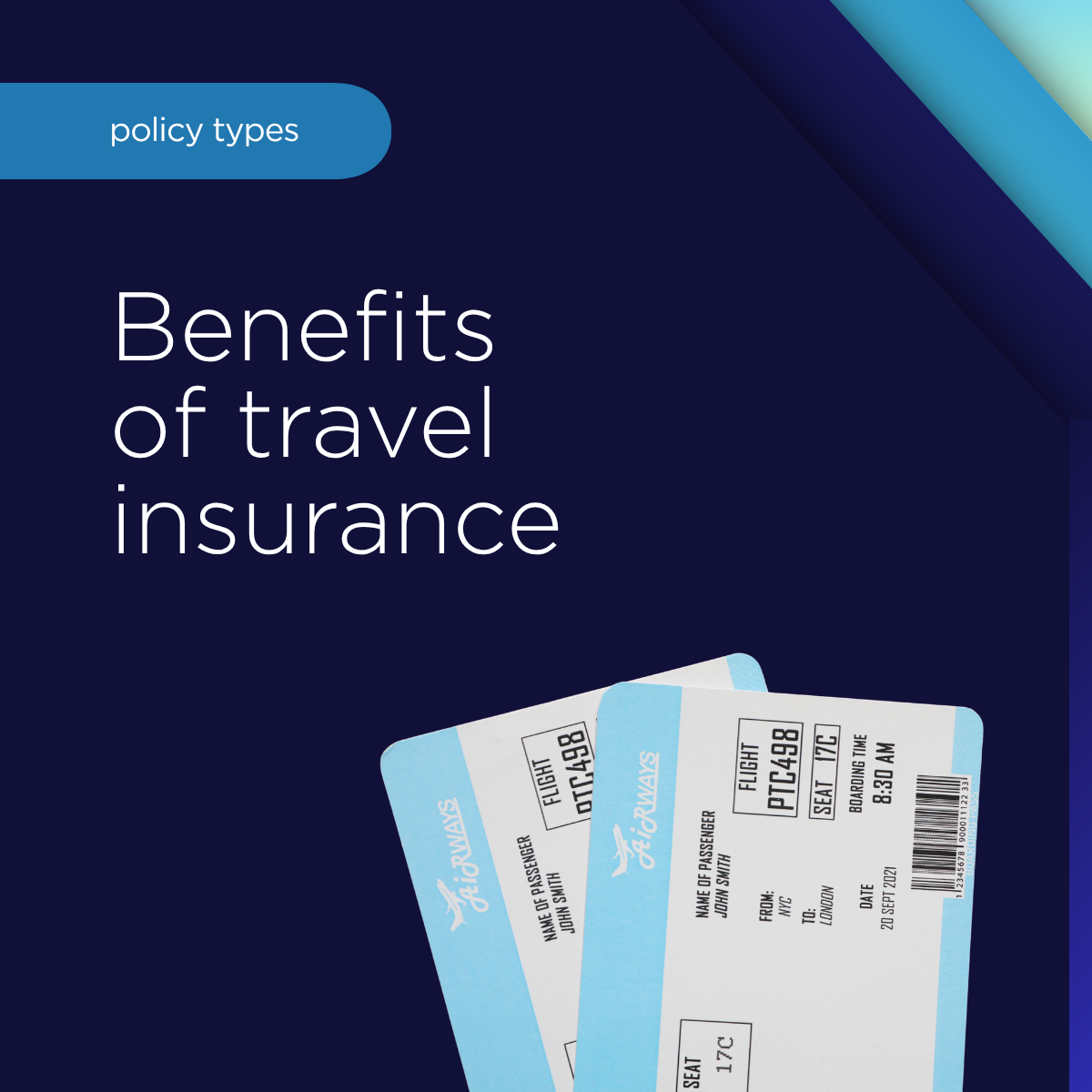
Top benefits of travel insurance for your next adventure

Embarking on a new adventure? Discover why travel insurance is your ultimate travel companion.

Peace of mind during your travels

Travelling can be an exciting yet unpredictable experience. With travel insurance, you can enjoy your journey knowing that you are protected against a range of unfortunate circumstances. It offers reassurance that you won’t be left stranded or financially burdened in the event of insured emergencies. This peace of mind allows you to fully immerse yourself in your adventures without constant worry.

Whether you’re facing a minor inconvenience or a major crisis, having travel insurance means that you have a support system in place. This support can make a significant difference in how you handle unexpected situations, ensuring a smoother and more enjoyable travel experience.

Cover for medical emergencies abroad

Falling ill or getting injured while traveling abroad can be a daunting experience, especially if you’re in a country with a different healthcare system. Travel insurance can provide cover for medical emergencies, ensuring that you receive the necessary medical attention without worrying about exorbitant or escalating costs.

From hospital stays to emergency evacuations, travel insurance can cover a wide range of medical expenses. This cover is particularly crucial in countries where healthcare costs can be significantly higher than at home. By having travel insurance, you can focus on recovery rather than financial stress.

Safeguarding against trip cancellations and delays

Even the best-laid travel plans can go awry due to unforeseen events such as natural disasters, illness or even airline strikes. Travel insurance can protect you from the financial losses associated with trip cancellations and delays. It can help reimburse you for non-refundable expenses, allowing you to rebook or adjust your plans without incurring additional costs.

Moreover, travel insurance can cover the costs of accommodation and other necessities if you’re stranded due to a delay. This protection ensures that you are not left to handle these disruptions on your own, providing a safety net that allows you to navigate these challenges with ease.

Protection for lost or stolen belongings

Losing your luggage or having your valuables stolen can be a significant setback while travelling. Travel insurance can protect your personal belongings, ensuring that you are compensated for lost or stolen items. Depending on your cover level, this could include everything from your suitcase to important documents and even electronics.

In addition to providing financial compensation, travel insurance can also assist with the logistical aspects of replacing lost items. This assistance can be invaluable in helping you continue your journey with minimal disruption, knowing that you have the support needed to recover from such incidents.

Get a travel insurance quote today

Planning your getaway? Don’t leave your travel insurance until the last minute. Thanks to our new partnership with Just Travel Cover, you can easily compare a panel of insurers and secure a policy to suit your needs – before unexpected events disrupt your trip. Protect your holiday today and travel with confidence – get a quote now.

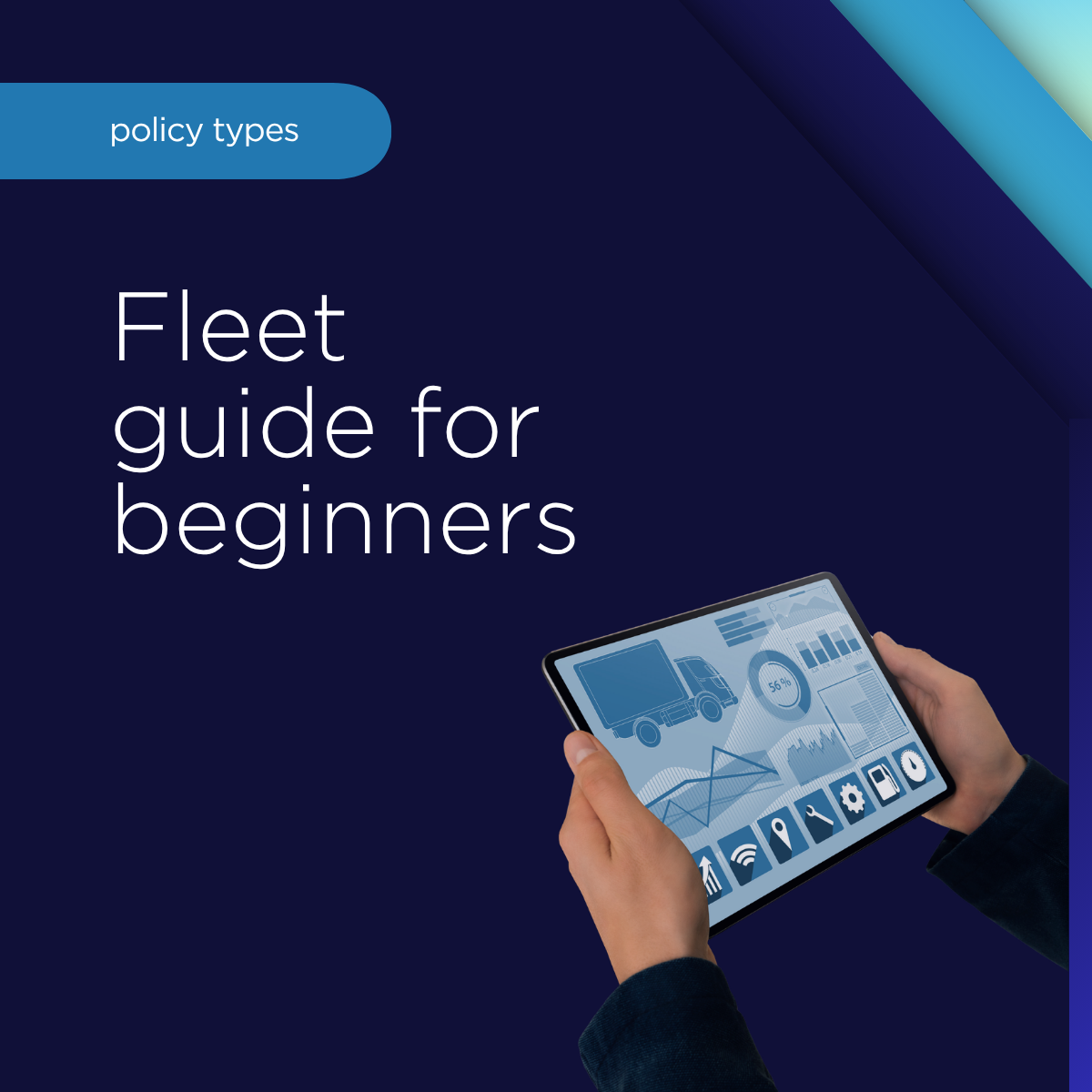
The ultimate guide to fleet insurance for beginners

For businesses managing multiple vehicles, fleet insurance is a smart choice. It streamlines your insurance process by consolidating all vehicles under a single, manageable policy with one renewal date. Additionally, many fleet policies offer flexible driving options, making it easier to adjust driver assignments when needed.

Navigating fleet insurance for the first time can be daunting. To assist you, we’ve created a comprehensive beginner’s guide filled with FAQs to help you embark on your fleet insurance journey with confidence.

What is a fleet policy?

A business fleet policy provides flexible coverage for multiple vehicles under a single plan, streamlining management and potentially reducing costs compared to individual policies.

What are the benefits of a fleet policy?

Fleet policies offer businesses a more convenient and adaptable alternative to insuring individual vehicles. For instance, if you need to update your address, you only have to notify your insurer once, rather than contacting multiple providers. This approach streamlines your administrative tasks, providing a single set of policy documents and one renewal date to manage.

Additionally, the driver coverage offers exceptional flexibility, helping you to seamlessly change drivers whenever necessary.

Will a fleet policy save me money?

The cost of insuring multiple vehicles can vary based on several factors. By insuring them together, you may benefit from economies of scale, with potential discounts for each vehicle through no claims bonuses or Confirmed Claims Experience (CCE).

However, a fleet policy might offer more benefits than a private car policy, such as flexible driving restrictions, which could influence the price. Consult your insurance broker for a no-obligation quote to explore your options.

I only have a small fleet – is that covered?

We can help source fleet insurance solutions for various needs, including both minifleet and single vehicle fleet options.

What vehicles can I add to my policy?

Fleet insurance provides the flexibility to cover various vehicle types, from private cars to commercial vehicles like vans and trucks. It’s crucial to note that coverage applies only to vehicles owned by the policyholder or registered under the company name. Vehicles owned by employees are not eligible for company insurance due to the absence of ‘insurable interest’.

What vehicle use is covered by a fleet policy?

In addition to personal and business use, your vehicle can be insured for transporting goods. For instance, a scaffolder transporting their own equipment, such as poles and planks, would require coverage for carrying their own goods. Similarly, hauliers or couriers, who are compensated for moving goods from one location to another, would need insurance for carrying goods for hire and reward.

What types of cover can I get on my fleet vehicles?

Fleet policies continue to offer the traditional three levels of coverage, with fully comprehensive coverage being the top recommendation:

  • Comprehensive
  • Third party, fire and theft
  • Third party

Who can drive the vehicles?

Many fleet policies offer an ‘any driver’ option, simplifying the process of managing driver changes and substitutions during absences. This feature is particularly beneficial for businesses with frequent driver turnover or a large pool of potential drivers.

You can often set age requirements for each vehicle, such as drivers over 21, 25, or 30, with more experienced drivers typically resulting in lower premiums. However, be mindful of specific exclusions, such as the need for drivers to have at least 12 months of driving experience on some policies.

What if my driver has motoring convictions?

When obtaining a quote, it’s crucial to inform your broker of any motoring convictions for directors and drivers within the past 5 years, though some insurers may consider a shorter period, such as 3 years. While certain insurers may not need to note drivers under a certain amount of points, others require full disclosure. Serious motoring convictions might not be covered by your policy, so full transparency is essential to prevent any unexpected issues during a claim.

For those with a fleet policy, effective driver management is key. Establish clear protocols for tracking and reporting motoring convictions as they occur. It’s advisable to maintain up-to-date driver licenses on file and conduct regular DVLA checks to ensure all information is accurately reported to your insurer.

Can I use someone else’s no claims bonus?

No claims bonus must be earned by an active company director registered with Companies House at the start of the policy, or under the limited company’s name. For sole traders or partnerships, ensure the name aligns with the policyholder’s name.

Can I transfer no claims bonus to my new vehicle?

Transferring your no claims bonus is typically straightforward, though insurers might ask for extra documentation. Ensure your bonus was earned on a similar vehicle that was sold or scrapped before your policy begins and earned within two years of the start date.

Will I get no claims bonus at the end of my policy?

When you take up a fleet policy, you start accumulating Confirmed Claims Experience (CCE) instead of no claims bonus, except for single vehicle fleets. Your CCE can be provided a few weeks before renewal, once we have had the opportunity to provide you with a renewal invite, allowing you to explore alternative quotes.

Can I include breakdown?

Certain insurers provide optional breakdown coverage for your fleet vehicles. If this isn’t available, we can arrange a separate policy if required.

So there you have it – we’ve covered the basic details to help you determine if a fleet policy could be right for your business. For personalised advice, our knowledgeable insurance advisors are ready to assist. Contact us today if you have any queries or to receive a complimentary, no-obligation quote.

Contractors All Risks vs Public Liability – what’s the difference?

Whilst not being a legal requirement, most builders and construction professionals are aware of the benefits and protection that a Public Liability policy can offer them. However, it’s important to understand the cover and limitations of this type of policy to ensure that you’re not left in the lurch should the unfortunate happen.

What Public Liability Insurance covers:

  • Damage to the property that has arisen as a result from your work, which may include legal expenses and compensation
  • Third party injury, whether this be a customer or member of the public.

As those in the industry know, construction projects can be filled with hazards, with the possibility for costs to spiral, not to mention the chance of contractor or sub-contractor injury. In order to safeguard your business, you should consider what would happen in the event that your Public Liability product does not cover an incident. For example, if there was damage to the works you are undertaking arising from a flood or fire, would you be in a position to repair or repeat the project? If so, what impact would that have on your business from a financial perspective? Could any financial implications cause a delay to your project scheduling and, in turn, your reputation?

The good news is that a Contractors All Risk policy can be tailored to fit your unique business requirements and offers total peace of mind. Put simply, a Contractors All Risks policy will protect you against physical loss or damage to the works under construction and any plant, tools and equipment on-site.

What Contractors All Risk Insurance covers:

  • Contract works by contractors
  • The cost to repair or restart the project (to the standard it was before the damage occurred) in the event of fires, floods, storm, vandalism or theft
  • Can include contract works by sub-contractors
  • Can include Public Liability
  • Can include Employer’s Liability (which is a legal requirement)
  • Can include own plant cover
  • Can include hired plant cover (protects against the risk of damage, theft or becoming unusable)
  • Can include employee tool cover
  • Can include hot works and welding
  • Can include piling and excavation works
  • Can include damage to equipment and supplies during transit
  • Can include cover of third party ‘consultant’ fees
  • Can include JCT 6.5.1 insurance
  • Can include high risk contract works and hazardous locations

Additional benefits of Contractors All Risks policies

Hot works and welding

Working with heat is considered high risk and could result in property damage or personal injury. Unlike most Public Liability policies where this is excluded, Contractors All Risks can include hot works and welding cover and could even include legal fees and settlements where required.

Piling and excavation

Another high risk activity, piling and excavation works can not only damage surrounding foundations and buildings, but can also affect underground wiring and pipes. Your public liability policy may not cover you for this type of work, but you can rest assured that your Contractors All Risks policy would, including legal fees and damages made against you.

Damage to equipment and supplies during transit

The great thing about a Contractors All Risks policy is that it can be fully customised with as much or as little cover as you require. If you are concerned about machinery, equipment and supplies being lost or damaged in transit, opt for this to be included. This additional cover can include both inland transit or marine cargo.

Coverage for third party ‘consultant’ fees

It is possible that the investigation and repair of any property damage you have caused may require advice and consultancy from architects, engineers and surveyors, etc. Their involvement usually comes at a cost which you may not have anticipated. By including this cover in your Contractors All Risks policy, you won’t get any nasty surprises.

JCT 6.5.1 insurance

Sometimes referred to as ‘non-negligence insurance’, this additional cover can be included in your Contractors All Risks policy. JCT 6.5.1 insurance covers you in the event of a claim arising from damage to a neighbouring property (e.g. subsidence, vibration, groundwater issues, etc), where there has been no negligence during works by the contractor.

Frequently Asked Questions

Who can take out a Contractors All Risks policy?

Insurers understand that there are often multiple parties involved in a construction project who may need to make a claim. This can include main contractors, employers, financers and suppliers who have a financial interest in the works. In most cases, it is a joint policy between the contractor and employer. It is important to advise the broker/insurer of all interested parties so they can be noted on the policy.

How much will a Contractors All Risks policy cost?

Like any insurance policy, the premium will be based on what insurers call ‘risk factors’. This may include looking at how high risk the work you do is, where abouts you operate (for example are there a higher number of tool/plant thefts in that area), the value of the project(s), etc. As always, our commercial team will take time to understand your needs and match you with the most suitable insurer on our panel and the most competitive quote we can find.

Do I really need a Contractors All Risk policy if I have liability insurance?

If you are a builder or construction professional, then yes, we highly recommend upgrading to Contractors All Risks insurance. Typical liability products simply don’t include the specific level of cover you may need and you risk leaving your business exposed if there’s a claim. What’s more, you can opt to include public liability and employer’s liability within your Contractors All Risks policy along with other add-ons that you may currently have as stand-alone policies – this makes managing and renewing your policies much easier! In addition, having a Contractors All Risks policy may be a prerequisite for a specific contract, or alternatively, having this insurance may improve your chances of getting contracts, by building trust and confidence with the client.

How do I get a quote for a Contractors All Risks policy?

In order to provide a quotation, we need to know a bit more about you and the work you do. Simply call QMT Commercial on 01227 285540 and ask for our commercial team. One of our experienced brokers will be able to advise on the right level of cover for the works you undertake and provide a free, no-obligation quotation.

10 top tips to help avoid van insurance price hikes

If your business has seen a sharp increase in van insurance premiums lately, you’re not alone. Recent data from the Consumer Intelligence Van Insurance Price Index, shows prices have continued to rise by 24.7% in the last 12 months to June, biting businesses already struggling in a cost of living crisis.

Fortunately, this increase does appear to be slowing down, with an increase of just 2.7% in the last 3 months; the lowest increase in the last five quarters, which will be a welcome relief for business owners.

The good news is that whilst these increases are not wholly avoidable, there are many ways we can mitigate them and make other savings on your van insurance policy. Here’s our top tips for bringing down prices without compromising on cover.

No Claims Bonus – use it or lose it!

When you start a policy with a new insurer always transfer your no claims bonus from your previous policy. Some customers mistakenly believe that you can add no claims bonus from two policies together – unfortunately this is not the case and the no claims bonus accrued on the most recent policy will supersede the no claims bonus earned on the vehicle previously.

If you have sold or scrapped a vehicle, see if you can transfer this to the new vehicle.

Remember, no claims bonus is only valid for 2 years and insurers may have their own acceptance terms. Discuss this during the quotation to avoid any nasty surprises later on – the last thing you want is for your no claims bonus to be rejected and an additional premium applied.

Compare cover and prices

It might seem obvious, but it’s best to get quotes from multiple insurers to ensure you are getting a great deal. This is where a broker like QMT Commercial can help. We’ll do the legwork for you, presenting the most suitable product on our panel. This may not always be the cheapest quote but usually it will be the best value we can find. Let’s be honest, buying cheap won’t save you money in the long run if you have a claim that’s not fully covered so always weigh up the cover options and check what is and isn’t included in the policy. 

Consider telematics

Some insurance companies will give a discounted rate if your vehicles have tracking devices fitted. It is always best to check with insurers beforehand as they may only accept a certain make and have a timeframe in which the devices need to be fitted to your vehicles.

Remember, our friends at Fleetmaxx can provide real-time telematics, vehicle and asset GPS tracking with FLEETLOC8.

Choose drivers wisely

The drivers on your policy can have a significant impact on the premium. Laura Vas, Senior Insight Analyst at Consumer Intelligence, noted that “Van drivers of all ages have seen new business quotes rise over the last year, but inflation was less extreme for younger drivers. However, premiums for the younger end of the market remain considerably higher.” Younger drivers are considered higher risk as they have less driving experience so opt for older drivers where possible.

Some policies will allow you to name drivers, whereas fleet insurance usually works on a driving restriction basis (e.g. any licenced driver over 21, 25 or 30). Beware, some policies have an increased excess for younger or less experienced drivers.

Never take on a driver without running a DVLA licence check first. There are some more serious motoring convictions that may not be covered by your policy and others that may need to be noted and that will likely affect the premium. Never leave your business exposed by not doing due diligence. Ensure you have a clear policy for drivers to report any new motoring convictions and carry out regular licence checks (we recommend every 6 months).

Help to prevent claims

Claims mean there is an increased cost and risk to the insurer, so naturally this will affect your premium. Luckily, there’s lots you can do to prevent claims occurring.

Always keep your vehicles secure in a safe area (overnight postcodes also affect the premium) and do not leave any valuables in the vehicle. You may keep tools in your van, which can be attractive to criminals, so get into the habit of removing these overnight.

It is important to vet your drivers with an induction process and set clear driving standards and processes. Watching speed, keeping a distance and avoiding distractions are all part of safer driving, which will help prevent accidents.

Manage claims carefully

If the unfortunate occurs and you are involved in an incident, report this as soon as it is safe to do so and provide full details. Dashcam footage, photos and diagrams can be incredibly useful and speed up the investigation and liability process. Remember, delays lead to increased costs, so always deal with any queries promptly. Keep an eye on open claims and if a claim is later settled as non fault, report this to your insurer as it could have a positive affect on your premium if it had been previously noted as fault.

Get the use right

Vehicle use contributes to how your premium is calculated and it’s important to provide accurate information to the insurer otherwise you may not be fully covered in the event of a claim.

According to the Consumer Intelligence Van Insurance Price Index, owners using vans for social, domestic and pleasure experienced quote increases of 26.5%, while tradespeople saw rises of 24.1%.

Consider upping your excess

If there is the option to do so and you do not frequently claim on your van insurance, you may wish to consider increasing the excess. This reduces the level of risk and cost to the insurer in the event of a claim so is likely to result in a reduced annual premium.

Switch off automatic renewals

We get it! You’re busy and it’s super easy to allow your insurance to renew for another year without the hassle of obtaining new quotes. Unfortunately, by not shopping around, you may be paying more than you need to on your van insurance. A good broker will review your renewal quote and do the hard work for you, comparing the market for a better deal.

Do you need any extras?

Most insurance policies have flexible cover options and add-ons. We’re not against these as they can be excellent value for money if they’re something you are going to use, but never pay for cover you don’t need. Always discuss these with your broker, they’d be happy to break down the quote and provide different options for your consideration.

So there you have it – a few useful tips to reduce your van insurance costs in this turbulent insurance market. If you’d like a second opinion on your insurance costs or need a quote for an upcoming renewal, speak to QMT Commercial. Established for over 15 years with a proven track record in arranging commercial, motor trade and driving school insurance solutions, we will help you find a great deal.

QMT Ashford
T: 01233 222 562
E: ashford@qmtcommercial.co.uk

QMT Canterbury
T: 01227 285 540
E: admin@quotemetoday.co.uk

QMT Commercial - Call us today