New!

QMT Commercial Insurance Brokers - Travel Insurance

Travel
Insurance

Travel Insurance Plane Icon

New! Travel Insurance

New!

QMT Commercial Insurance Brokers - Travel Insurance

Travel
Insurance

Travel Insurance Plane Icon

New! Travel Insurance

Insurance tips for businesses with seasonal inventory

For many businesses, the year is defined by a few busy weeks. Garden centres gear up for spring, gift shops and retailers stock up for Christmas and food producers, event suppliers and seasonal attractions all see their stock levels swing dramatically across the year. That swing creates a very particular insurance challenge: the stock you hold in October may be worth several times what you hold in February.

If your policy is only set up for your average stock level, you could find yourself under-protected at exactly the time you have the most to lose. As a commercial insurance broker serving businesses across the UK, we regularly help owners get this right. Here are our top tips.

1. Insure for your peak, not your average

The sum insured on your stock cover should reflect the highest value of stock you expect to hold, not the figure you reach when business is quiet. If a claim arises during your busiest period and your cover is based on a lower figure, your insurer may treat you as underinsured and reduce the payout proportionately. This is known as the “average” clause, and it catches out more businesses than you might expect.

2. Ask about seasonal stock increase cover

Many insurers offer a seasonal or peak stock extension. This allows you to temporarily increase your stock sum insured for a set period, such as the run-up to Christmas, without paying for that higher level all year round. Be sure to agree the dates and the maximum amount in advance and check that the cover starts early enough to include the weeks when you are building up stock, not just the sales period itself.

3. Keep accurate, up-to-date stock records

Good records make both your cover and any claim far smoother. Keep a regular stock-take, record when stock levels rise and fall, and store your records somewhere that would survive a fire or flood, such as in the cloud. Following a loss, clear evidence of what you held and what it was worth can make all the difference to how quickly you are paid.

4. Check where your stock is and how it moves

In peak season, stock often ends up in places it does not normally sit: temporary storage units, a spare unit on the estate, a pop-up shop, a market stall or a delivery van. Many policies only cover stock at the address shown on your schedule. Tell your broker about any additional locations and check whether goods in transit are covered, including deliveries to customers and collections from suppliers.

5. Review your security and your risks

Fuller premises and more valuable stock can make a business a more attractive target. Insurers will often expect specific security measures, such as approved locks, alarms or shutters, particularly where large amounts of stock are held. Check that you meet your policy conditions, especially when stock levels rise. It is also worth thinking about seasonal risks like winter storms, flooding, burst pipes and increased fire risk from additional electrical equipment or decorations.

6. Do not forget your seasonal staff

Taking on temporary or seasonal workers? Employers’ liability insurance is a legal requirement in most cases, and it applies to temporary staff, casual workers and many agency workers as well as permanent employees. Make sure your policy reflects your increased headcount and that any wage roll or employee numbers you have declared are accurate.

7. Protect your income as well as your stock

If a fire or flood stopped you trading in your busiest weeks, the lost income could hurt far more than the damaged stock. Business interruption insurance can cover lost gross profit and ongoing costs while you recover. Make sure the sum insured and the indemnity period reflect the fact that your profits may be concentrated into a short season and ask your broker whether your cover accounts for this.

8. Consider online sales and cyber risks

If you sell online, seasonal peaks bring a spike in orders, payments and customer data and cyber criminals know it. Ask about cyber insurance and check how your stock is covered while it is waiting to be dispatched or when it is being held by third-party fulfilment partners.

9. Review your cover well before the season starts

The best time to talk to your broker is before your busy period, not during it. Give yourself time to review your sums insured, add any extensions and compare options. A short conversation early in the year can save a great deal of stress, and expense, later on.

In summary

Before your next busy season, check that you have:

  • Peak stock values reflected in your sum insured, rather than your average
  • A seasonal stock extension with dates that cover your build-up as well as your sales period
  • Every location and journey your stock will use, including temporary storage and transit
  • Security measures that meet your policy conditions
  • Employers’ liability cover that reflects your seasonal staff
  • Business interruption cover that matches your seasonal income

Talk to QMT Commercial

Every business is different and the right cover depends on your stock, your premises and the way your year unfolds. QMT Commercial is a well-established commercial insurance broker in Kent, serving businesses across the UK. We can review your current arrangements, check you are properly protected through your peak season and find cover that fits. Get in touch with our team today for a no-obligation chat.

This article is for general information only and does not constitute advice. Policy terms, conditions and exclusions vary between insurers, so please speak to your broker about your own circumstances.
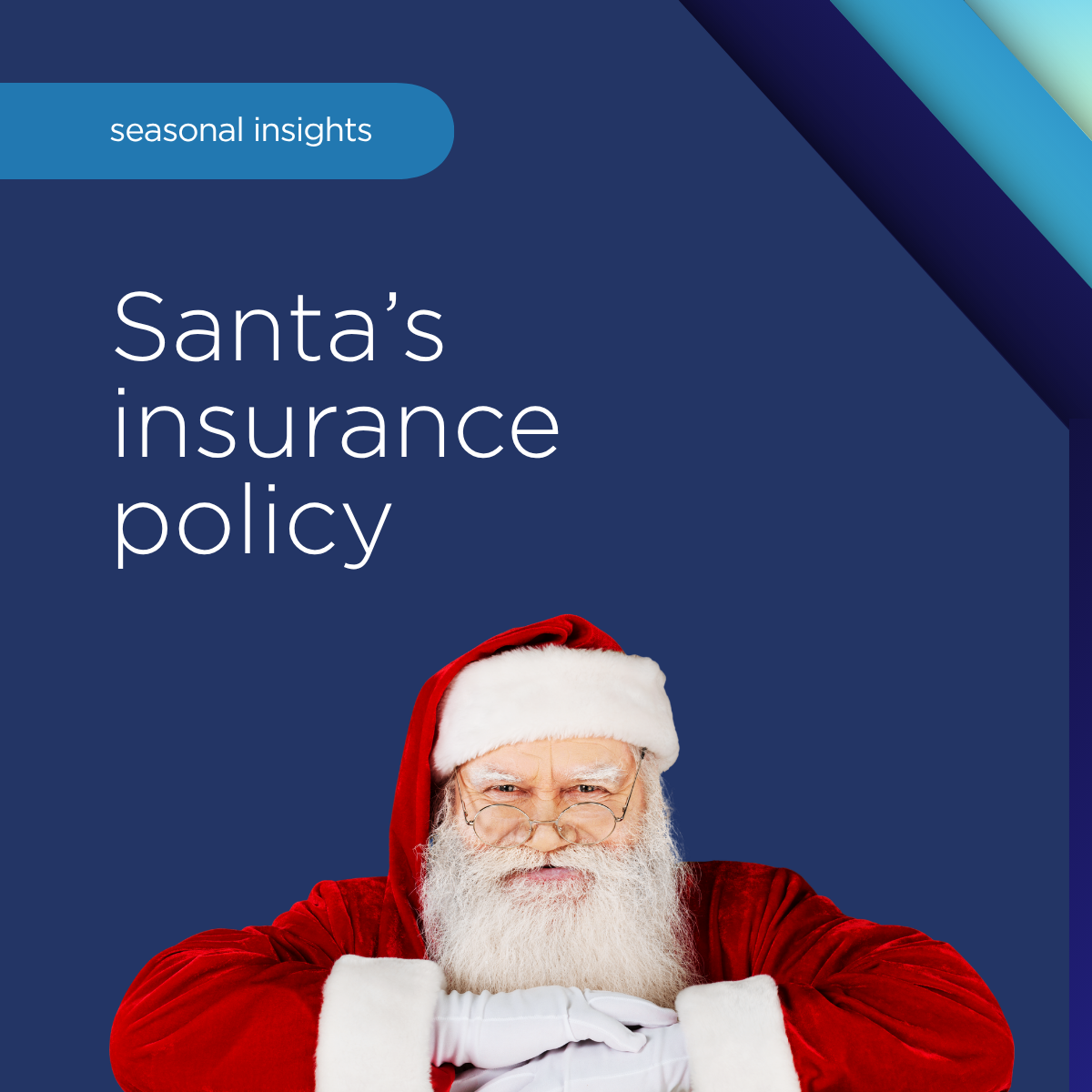
What would Santa’s insurance policy look like?

… a highly serious, completely sensible analysis… obviously

At QMT Commercial, we help real businesses with real commercial insurance – from fleet and haulage, to trades, retail and almost everything in between.

But every now and then, a hypothetical comes along that we simply can’t ignore.

Today’s question:

If Santa Claus walked into our office and asked for a business insurance quote… what on earth would that policy look like?

Grab a mince pie. Let’s break this down.

Santa’s business model (in case you haven’t thought about it recently)

  • International overnight logistics
  • Magic-driven transportation fleet
  • 1 CEO (red suit, beard)
  • 1 flying delivery vehicle
  • 9 reindeer-powered engines
  • 364 days of manufacturing
  • 1 night of VERY pressurised service delivery
  • Thousands of seasonal employees (AKA. elves)

Frankly, Santa is one of the most uniquely complex commercial clients we’ve ever (theoretically) had.

Fleet and Transport Insurance

Insured item: One custom-built, open-top, 1800s-era flying sleigh.

Custom requirements might include:

  • Worldwide delivery territories – including chimney access.
  • Accidental damage to roofs, garden gnomes or inflatable snowmen.
  • Cover for unexplained mid-air collisions with migrating geese, drones or aircraft.

And of course:

  • Named driver: Mr S. Claus only.
  • Additional drivers: Mrs Claus, if required, subject to experience.

Though one question remains:

Is the sleigh electric, hybrid or reindeer-powered?

We’re not sure where that fits in emission standards, but we’ll figure it out.

Specialist livestock and working animals cover

Your average business might insure vans, machinery or equipment.

Santa, meanwhile, needs:

  • Comprehensive reindeer insurance
  • Loss of antlers (cosmetic)
  • Navigation failure due to fog
  • Damage caused by excessive carrot intake

Rudolph may also require specialist protection for his trademarked “nose illumination system.”

Elf workforce liability insurance

Santa runs a large manufacturing operation in the North Pole.

This means:

  • Employers’ Liability Insurance: For sprains, tool mishaps and disputes over whose turn it is to paint the rocking horses.
  • Elf and safety compliance: Because even magical workshops need risk assessments:
    • Trip hazard: scattered wrapping paper.
    • Employee exposure: glitter inhalation.

Warehouse and contents cover

Santa’s inventory includes:

  • Millions of toys
  • A thousand different brands
  • The occasional PlayStation someone pre-ordered in July

Stock must be covered for:

  • Damage from fire, water leaks or “enthusiastic early unwrapping.”
  • Long-term cold exposure (unavoidable at the North Pole).
  • Elf glitter contamination.

Property insurance

Replacing a workshop complex on an iceberg would be… pricey.

Given the risks, Santa might add:

  • Snow-drift ingress protection
  • Icequake accidental damage extension
  • Chimney-soot corrosion cover

Premiums likely to rise if the yetis move back into the area.

Public liability cover

Because statistically, after a billion rooftop landings, things may occasionally happen:

  • Broken roof tiles
  • Surprise dog encounters
  • A garden trampoline that didn’t survive a sleigh bounce

Cyber cover

You might think Santa is low tech.

Absolutely not. He stores:

  • Names
  • Addresses
  • Behavioural performance records

That is a GDPR minefield.

Cyber liability would help protect against:

  • Data breaches
  • Naughty list leaks
  • Hackers modifying gift requests to “all children receive socks.”

Unthinkable.

Business interruption insurance

What if:

  • A reindeer gets injured?
  • The sleigh fails its magical MOT?
  • The elves unionise and demand a four-day festive working week?

Business interruption insurance could help cover lost global present-delivery turnover.

Final verdict

So, what does Santa need?

In summary:

  • Fleet and transport insurance
  • Working animal cover
  • Employers’ liability
  • Public liability
  • Property and contents
  • Cyber cover
  • Business interruption

And, if we’re being honest, we suspect his premium might be slightly higher than the average plumber’s.

But if Santa ever knocks on our door (or our roof), we’re ready.

If we can theoretically insure a magical, reindeer-propelled, worldwide overnight delivery empire… we can most likely help yours.

Want a sensible quote for your very real business? Just ask.

Protecting your business during Christmas downtime

For many businesses, Christmas is either the busiest time of the year… or the quietest.

If you’re one of the companies that shuts its doors, powers down the lights and gives the team some well-deserved rest, it’s easy to assume your risks go quiet too.

Unfortunately, insurance claims over the festive period tell a different story.

When no one’s on site, the unexpected can go unnoticed – and minor issues can quickly become expensive headaches.

So, before you lock up and head home for mince pies, here’s how to protect your business during Christmas downtime.

Don’t assume empty means safe

A closed workplace can sometimes be more vulnerable than a busy one.

Consider:

  • Fewer staff present means fewer opportunities to spot problems.
  • Unoccupied buildings can attract unwanted attention.
  • Bad weather hits harder when no one’s around to react.

A quick risk assessment before shutting down can prevent insurance claims later.

Ramp up security

Christmas is peak season for burglaries in commercial properties.

Before closing:

  • Check all doors, windows and access points
  • Make sure CCTV and alarms are fully operational
  • Confirm that security codes are updated
  • Remove high-value stock from display areas
  • Consider additional lighting and motion sensors

If you use third-party monitoring, double-check that it’s active and up to date.

Nothing stops a Grinch faster than a working alarm system.

Don’t forget about the weather

Frozen pipes, leaks and water damage are among the most common Christmas shutdown claims.

To reduce the risk:

  • Keep heating at a low background temperature
  • Insulate pipes and tanks where possible
  • Ask someone to check the premises periodically
  • Make sure gutters and drains are clear before you close

A tiny leak on Christmas Eve can become a disaster by Boxing Day – and no one wants to be mopping floors in January.

Lock down your digital world too

Cyber-criminals do not take a holiday.

With fewer employees monitoring systems, your business may be more vulnerable to:

  • Phishing attacks
  • Malware
  • Ransomware
  • Email hacking

Before your team signs off:

  • Install pending security updates
  • Ensure backups are current and tested
  • Encourage staff to be extra vigilant with suspicious emails
  • Consider multi-factor authentication for critical systems

A cyber breach can be just as damaging as a physical break-in.

Check your insurance covers you when closed

Not all policies treat unoccupied premises the same.

Some insurers add conditions such as:

  • Regular site inspections
  • Heating requirements
  • Alarm activation
  • Limits on how long a building can be left empty

If you’re not sure, check your policy wording or ask your broker (that’s us).

The last thing any business wants is a rejected claim because something simple wasn’t in place.

Keep supplier and client commitments covered

Even if you’re winding down, others may not be.

Make sure:

  • Delivery deadlines are realistic
  • Out-of-office messages are set up
  • Contracts don’t require work to be completed while you’re closed
  • Key clients have emergency contact details

A little communication now avoids awkward emails in January.

Give your premises a mini health check

Before everyone leaves, run a quick final walk-through:

  • Are appliances switched off or unplugged?
  • Are portable heaters disconnected?
  • Are fire doors closed?
  • Are stock and equipment stored safely?
  • Are flammables removed from heat sources?

Think of it like a pre-flight checklist – simple, but it can prevent the most avoidable claims.

And finally… enjoy the break

A lot of business owners struggle to switch off at Christmas, but preparing your premises – and having the right cover in place – means you can relax knowing your business is protected.

If you need help reviewing your cover before the holidays or are looking for a commercial insurance quote, we’re here to help you make sure the right protections are in place.

Because Christmas downtime should be spent eating chocolate and doing as little as possible – not worrying about insurance claims waiting to happen.

Get in touch on 01223 222 562 and we’ll help make sure your business is protected this festive season.

Fleet safety during the festive rush

The festive rush can be the busiest – and riskiest – time of the year for businesses operating vehicle fleets. Increased demand, tighter delivery schedules, winter weather conditions and heavier traffic all combine to create a challenging driving environment. At QMT Commercial Insurance Brokers, we understand the pressures on fleet operators at this time of year and we’re here to help you manage risk, protect your drivers and keep operations running smoothly.

Why risk increases in the festive season

From late November through New Year, fleets typically face:

  • Higher traffic volumes on delivery routes and major roads
  • Shorter daylight hours, increasing night driving
  • Colder weather, bringing ice, rain and unpredictable conditions
  • Increased driver fatigue, due to schedule pressure and longer workdays
  • More vulnerable road users, including pedestrians and cyclists

These factors can contribute to rising accident rates and higher insurance claims, making proactive safety management more important than ever.

Key steps to improve fleet safety

Prioritise vehicle maintenance

Fleet downtime is costly, but mechanical failures on the road are even worse. Before the busiest weeks of the year, operators should:

  • Carry out full winter servicing
  • Check tyre tread and pressure
  • Inspect brakes, wipers and lights
  • Top up anti-freeze, washer fluid and oil
  • Ensure heating and demisting systems are working properly

Well-maintained vehicles are safer, more fuel-efficient and far less likely to suffer unexpected breakdowns.

Support driver wellbeing

Your drivers are your greatest asset. Fatigue and stress are major contributors to seasonal accidents, so consider:

  • Rotating routes to avoid long hours behind the wheel
  • Encouraging regular rest breaks
  • Making wellness resources available
  • Monitoring duty hours to remain compliant

A well-rested and supported driver is more alert, more productive and less likely to make dangerous mistakes.

Reinforce safe driving habits

Now is the perfect time to refresh core driving standards across your fleet. Remind drivers to:

  • Maintain safe stopping distances
  • Adjust speed for weather and traffic conditions
  • Avoid harsh braking or acceleration
  • Eliminate mobile-phone distractions
  • Use headlights appropriately
  • Drive defensively and patiently

Simple reminders can create major reductions in accident rates.

Use technology for real-time insight

Modern telematics systems give fleet managers the visibility they need to enhance safety. You can:

  • Monitor driver behaviour
  • Track vehicle locations
  • Identify risky patterns early
  • Reward safe driving through incentive programmes

Data-driven fleet management leads to smarter decisions, safer drivers and lower insurance costs over time.

Prepare for the unexpected

Having clear procedures in place can speed up response time and minimise losses when incidents occur. Ensure drivers know:

  • How to report a collision while staying safe
  • What documentation is needed
  • Who to contact immediately
  • How claims are handled

Good preparation can turn a stressful situation into a manageable one.

Insurance that works as hard as you do

At QMT Commercial Insurance Brokers, we specialise in finding cover for fleets across a range of sectors – from logistics and delivery services to trades and service providers. We understand your challenges and are committed to helping you protect your drivers, vehicles and business.

With the right risk management and insurance support, your fleet can navigate the festive season with confidence, efficiency and safety.

If you’re looking for a fleet quote or have questions about whether fleet insurance suits your business needs, give us a call on 01233 222 562 or visit our fleet page for more information.

Be ready for the rush: preparing your Business Insurance for the festive season

Retail, hospitality and restaurant businesses see a surge in activity during the festive period – here’s how to make sure your insurance keeps up.

The Christmas season is a golden opportunity for UK businesses, especially in the retail, restaurant, and hospitality sectors. With increased footfall, extended hours and higher stock levels, it’s a time of growth – but also heightened risk. Preparing your Business Insurance now can help you avoid costly surprises and keep your operations running smoothly.

Here’s what to review and update before the festive rush begins:

Review your stock and contents cover

Retailers and restaurants often increase inventory in anticipation of holiday demand. Whether it’s festive menus, gift items or seasonal décor, your stock levels may exceed your usual insured limits.

  • Check your policy’s maximum stock value – is it enough to cover your seasonal increase?
  • Update your insurer if you’re storing stock off-site or in temporary locations.
  • Include high-value seasonal items like tech, alcohol or luxury goods.

Update your Business Interruption Insurance

With higher turnover expected, any disruption during the festive season could hit harder than usual. Business Interruption Insurance helps cover lost income if you’re forced to close due to events like fire, flood or other insured damage.

  • Review your estimated gross profit to ensure it reflects seasonal peaks.
  • Confirm your indemnity period is long enough to recover from a major incident.
  • Consider adding cover for supply chain delays or utilities failure.

Check Public and Employers’ Liability Cover

Winter weather and busy venues increase the risk of accidents. From icy pavements to crowded dining areas, liability claims can spike during the winter months and over the festive period.

  • Ensure your Public Liability Insurance covers increased footfall and festive events.
  • Confirm your Employers’ Liability Insurance includes temporary or seasonal staff.
  • Always document safety procedures and staff training throughout the year to support any future claims.

Hospitality-specific considerations

Hotels, pubs and event venues often host Christmas parties, corporate gatherings and New Year celebrations. These bring unique risks:

  • If you’re hosting live entertainment or fireworks, check for event-specific cover.
  • Review your alcohol licensing and liability – especially for late-night trading.
  • Ensure your Contents Insurance includes festive decorations and rented equipment.

Avoid auto-renewals – review your policy now

Many businesses let their insurance auto-renew without checking if it is still adequate. But with seasonal changes in turnover, staffing and operations, now is the time to reassess.

  • Work with a broker to compare quotes and review your cover.
  • Ask about flexible policies with seasonal stock increases that adjust with your business needs.
  • Keep documentation up to date – especially receipts, staffing records and risk assessments.

Final thoughts

The festive season should be a time of celebration, not stress. By reviewing your Business Insurance now, you can focus on serving customers, increasing revenue and making the most of the holidays.
Need help reviewing your policy? QMT Commercial is here to guide you – so you can trade confidently this Christmas. Simply get in touch with one of our helpful advisors.

On-the-day Business Insurance checks for Fireworks Night

Before the crowds arrive and the sky lights up, UK businesses should run through these key insurance checks to help stay protected on Bonfire Night.

Fireworks Night is one of the busiest – and riskiest – nights of the year for UK businesses. Whether you’re hosting a display, extending your opening hours or operating near a public event, it’s essential to make sure your insurance is ready to handle the unexpected. Here’s a practical checklist of on-the-day insurance checks to help you stay safe and compliant.

Confirm your Public Liability cover

If you’re hosting or involved in a fireworks display, Public Liability Insurance is vital. It helps to protect your business if a member of the public is injured or their property is damaged due to your event.

  • Check your policy limits – are they high enough for a large crowd?
  • Ensure fireworks and bonfires are explicitly covered.
  • If you’ve hired contractors or vendors, confirm they have their own liability cover.

Review your Property Insurance

Bonfire Night sees a spike in fire damage, vandalism and theft claims [1]. Make sure your premises are protected:

  • Confirm your fire protection systems (alarms, extinguishers) are working.
  • Check that your policy covers accidental fire and malicious damage.
  • Review RoSPA guidance (e.g. securing outdoor areas and removing flammable materials).

Check Employers’ Liability Cover

If staff are working during the event – especially in crowd control, catering or setup – your Employers’ Liability Insurance must be active and adequate.

  • Ensure temporary or volunteer staff are included in your policy.
  • Brief your team on safety procedures and emergency protocols.

Validate event-specific insurance

If you’ve taken out Event Insurance for Bonfire Night, double-check the details:

  • Confirm the policy start and end times match your event schedule.
  • Review exclusions – some policies won’t cover pyrotechnics unless handled by professionals.
  • Keep a copy of your certificate and emergency contact numbers on hand.

Understand your exclusions

Many standard business policies exclude high-risk activities like fireworks unless declared in advance. In good time before the event:

  • Re-read your policy’s exclusions section.
  • Contact your broker if you’re unsure whether your event is covered.
  • Avoid last-minute changes that could invalidate your cover.

Final tip: keep your broker in the loop

If anything changes – like a bigger crowd, new vendors or extended hours – let your insurance broker know immediately. They can advise on whether your cover is adequate or if you need a temporary extension.

At QMT Commercial, we help businesses stay protected when the stakes are high. Fireworks Night should be a celebration – not a liability.

Need help reviewing your cover today? Contact us for practical advice and peace of mind.

Sources:

  1. https://fsb-insurance-service.com/fsb-insurance-service-blog/bonfire-night-fireworks-keep-your-business-safe/

Winter insurance risks every business should prepare for

Winter brings festive spirit, but it also brings some of the most challenging conditions of the year for businesses. From frozen pipes to storm damage, icy roads, seasonal shutdowns and increased theft risks, winter can pose significant threats to premises, vehicles and ongoing trading.

For driving instructors, motor traders, landlords, commercial vehicle operators and general business owners, understanding winter risks – and taking steps to minimise them – is essential for safety, continuity and protecting your future insurance premiums.

Why managing winter risk matters

Insurance should never be the first line of defence. If a claim can be avoided through good risk management, businesses may benefit from:

  • Reduced chances of costly interruption
  • Lower long-term insurance premiums
  • Greater safety for staff, customers and visitors
  • Protecting brand reputation

Many winter claims are preventable – which makes planning and prevention key.

Common winter insurance risks and how to manage them

We’ve rounded up some of the most common winter risks and shared practical tips to help you reduce them. Please note, this is general guidance and not a substitute for professional advice from organisations such as RoSPA, the Environment Agency or other relevant bodies.

Frozen and burst pipes in commercial properties

Low temperatures can freeze water in pipework, causing ruptures and major water damage when the ice thaws. These claims are among the most common (and expensive) winter losses for landlords and business owners.

Common causes:

  • Poor insulation
  • No heating during closures
  • Unoccupied premises
  • Undetected slow leaks

How to reduce the risk:

  • Keep heating on low (12–15°C) in cold snaps
  • Lag pipes and water tanks
  • Install leak detection or smart water-shutoff devices
  • Drain systems if buildings will be fully closed
  • Check lofts, basements and remote areas regularly
  • Know where the stopcock is

For landlords, ensuring tenants know these steps – and including obligations in tenancy agreements – is vital.

Unoccupied offices during Christmas shutdown

Many businesses power down over Christmas and assume nothing will go wrong – but insurers often see the opposite. Water leaks, burst pipes, break-ins and unnoticed damage can go undetected for days.

Risk-reducing actions:

  • Formal shutdown procedures
  • Inspection during closure where possible
  • Maintain minimum heating levels
  • Ensure security systems are working
  • Remove cash and portable equipment
  • Advise insurers if a building will be unoccupied for extended periods (insurers sometimes require notification beyond 30 days.)

Driving risks: icy roads, reduced visibility and increased accident potential

Driving instructors, motor traders, commercial fleet owners and business owners with company vehicles face higher accident risk in winter due to:

  • Snow and ice
  • Standing water
  • Reduced daylight
  • Black ice
  • High winds
  • Fog

Protective measures:

  • Winter tyres where appropriate
  • Ensure vehicle servicing is up to date
  • Stock emergency kits (torches, blankets, visibility gear)
  • Encourage defensive driving practices
  • Plan routes to avoid high-risk areas
  • Allow extra travel time and avoid unnecessary journeys

Driving instructors face an additional challenge during tests – learner drivers already operate at the edge of their skill level. Demonstrating risk assessments and safe operational planning helps strengthen insurance defensibility in the event of a claim.

Flood risk – not just a coastal problem

Rainfall spikes and snowmelt can cause:

  • Flooding of workshops and offices
  • Water ingress into commercial vehicles
  • Damage to equipment, stock or computer systems
  • Disruption to trading

Risk reduction steps:

  • Use flood barriers or sandbags if in a known flood area
  • Store valuable items off ground level
  • Install non-return valves on drainage where possible
  • Check guttering and roof drainage regularly
  • Ensure staff know emergency evacuation procedures

Motor traders should prioritise safe vehicle storage and review policies to ensure flood cover is included – as some policies exclude it unless specified.

Storm damage to buildings and yards

High winds, falling trees and flying debris frequently cause insurance claims over winter.

Preventative checks

  • Inspect roof tiles, flashing and fixings
  • Secure signage and external displays
  • Trim trees and remove dead branches
  • Store loose items indoors or secure them
  • Check cladding, gates and fencing

Not only does this help to reduce claims, it can prevent indirect losses such as lost trading hours, staff safety incidents and emergency repairs at peak periods.

Increased theft & crime risks over winter

The early nights mean more hours of darkness – ideal for opportunistic crime. Motor traders, landlords and businesses storing vehicles or high-value assets are particularly at risk.

Prevention measures:

  • CCTV and motion-triggered lighting
  • Good perimeter security
  • Secure keys in industry-approved safes
  • Remove valuables from vehicles overnight
  • Alarm systems linked to monitoring services
  • Shuttered windows and reinforced entry points

Keep security maintenance logs – insurers often request proof after a claim.

Christmas-related risks

The festive season may be enjoyable but it also brings unique hazards:

For businesses:

  • Electrical fires from temporary lighting
  • Increased waste leading to fire risk
  • Distracted staff and shortcuts on safety
  • Higher customer footfall risks in retail settings

For landlords:

  • Tenants away during cold spells
  • Increased heating and electrical demand
  • Alcohol-related fire and damage issues

Risk controls:

  • PAT test temporary electrics
  • Avoid overloading sockets
  • Keep escape routes clear
  • Remind tenants to maintain heating
  • Carry out extra checks before closure

Industry-specific winter risk focus

Driving instructors:

  • Dangerous road conditions for learners
  • Higher chance of collisions and injury
  • Last-minute test cancellations
  • Increased demand for vehicle maintenance

Key priority: Extra caution, tyre and brake checks and recording pre-lesson vehicle inspections can help protect against liability.

Motor traders:

  • Flooding or storm damage to forecourts
  • Vehicles damaged in high winds or ice
  • Theft in darker hours

Key priority: Secure vehicle storage, reinforced security and ensuring policy wording specifically protects stock vehicles in the open.

Landlords:

  • Unoccupied or poorly heated properties
  • Tenant negligence
  • Burst pipes and water claims

Key priority: Clear heating requirements in tenancy agreements and proactive communication before cold snaps.

Commercial vehicle owners:

  • Road accidents
  • Breakdown delays
  • Greater risk of lost deliveries or missed appointments

Key priority: Regular vehicle servicing, winter tyres and journey planning with built-in contingency.

General business owners:

  • Premises left vacant during shutdowns
  • Storm damage
  • Business interruption

Key priority: Formal winter risk plans and checking whether insurance policies include business interruption cover.

Final word: prevention pays

Winter insurance claims are common, costly and often avoidable. Whether you’re a landlord, driving instructor, motor trader or business owner, taking simple proactive steps now can help you to avoid a headache tomorrow.

If you’d like help reviewing your winter insurance cover or checking whether your policies include the right protection, now is the perfect time to act – before the temperature drops. Simply give our team a call on 01233 222 562 and we’d be happy to assist with any questions.

Six seasonal business insurance pitfalls and how to avoid them

Whether your business sees a surge in demand at Christmas or slows down and closes for the week, the festive season presents unique challenges when it comes to your insurance. Of course, increased risk means there is more likelihood of a claim being made which is never good news for your future renewal costs.

Here, we outline the most prevalent insurance risks over the Christmas period and some simple measures you can put in place to protect your business, so you can let your hair down and enjoy the festivities with total peace of mind.

Deck the halls… with care!

If your business is anything like ours at QMT Commercial, you’ll love to get in the festive spirit and decorate your premises. But even adorning your office with all things sparkly comes with its own dangers – here’s our tips to avoid unnecessary hazards.

  • When hanging items at height, you’ll need to ensure that you provide the correct equipment and guidance (e.g. a stepladder as opposed to standing on a chair or desk) to prevent staff accidents which could turn into a nasty claim against your employers’ liability insurance.
  • Any hanging items should be placed in locations where they are least likely to fall onto employees, customers or third parties, or cause damage to property and equipment. Appropriate fastenings should always be used, suitable for the weight of the decoration.
  • Your business PAT testing may not have included your Christmas lights, so you need to make sure these are safe for use and comply with all current safety standards.
  • Draping easily flammable items like tinsel near heat sources can also be dangerous, as well as the possibility of decorations obscuring fire extinguishers, emergency lights and signage, or blocking fire escapes.
  • Beware of trip hazards from Christmas lighting cables or decorations placed in high traffic areas.
  • If you’re going ‘au naturale’ this Christmas with a real tree, these can easily become a fire hazard when dry – keeping them watered every day reduces this risk. You’ll also want to make sure all your internal doors are closed to prevent the spread of fire should one occur and check your fire alarms are working correctly before you leave.

‘Tis the season to stock up

If your company sees an increase in seasonal trade, you may have more stock on your premises around Christmas time. Many business insurance policies do allow for this, but you should check the terms of your policy to make sure you are covered as if you are underinsured you may lose money in the event of a claim.

Too much prosec-ho-ho-ho?

Work Christmas parties can sometimes get out of hand, particularly when there’s a free flow of alcohol. Whilst everyone likes to let loose, it’s absolutely possible that someone could say or do something that could leave your company or its directors in disrepute. That’s why it’s vital to have both employers’ liability and Directors & Officers Liability, should a claim be made against you.

In addition, when staff are literally full of Christmas spirit (we’re talking gin, sherry and mulled wine), there’s a greater chance for falls and accidents, which could result in legal action being taken against the company. Being mindful of alcohol consumption and ensuring there is plenty of food on hand are good ways to reduce this risk. If you have a company fleet, you should also ensure any drivers are aware of the implication of driving when tipsy (even if they’ve only had a couple). Laying on additional transport to and from your venue is always a great option to avoid potential fleet vehicle claims.

Food Elf and Safety

It’s no secret that many of us tend to over-indulge in the run up to Christmas. Whilst it’s lovely to have a treat at work, employers’ need to be mindful of special dietary requirements and provide clarity about potential allergens for any food supplied on your premises or at your party venue.

If you’re organising a work buffet (who doesn’t like a bit of ‘beige’ food), you’ll also need to take precautions, adhering to food preparation and storage guidelines. One of the biggest risks is keeping leftovers when the items have already spent a significant time at room temperature. When it comes to food, it’s always better to be safe than sorry because no one wants their workforce off with food poisoning or a potential negligence claim made against you by a sick employee.

People up to snow good

Burglars are opportunists and often take advantage of the shorter days, cover of darkness and increased vulnerability of your business premises being closed over Christmas when no-one is around. The good news is, there are steps you can take to reduce your business being targeted.

  • Secure/lock away any expensive equipment.
  • Make sure nothing is visible that could attract or entice potential burglars.
  • Check your security systems (lights, alarms and CCTV) are working correctly as these can act as a deterrent.
  • If you have a third-party security partner, advise them of your business opening hours to reduce false alarms and to ensure they know when to act if someone is in your office when it’s supposed to be closed.
  • Double check all doors, shutters and windows are locked before you close the office for the Christmas break.
  • Check your insurance policy terms, particularly any unoccupancy clauses to ensure you are fully covered.

Dreaming of a white Christmas?

For some, fresh snowfall on Christmas day is a dream. But for others, it could result in frozen pipes and the start of a financial nightmare. Wintery weather conditions such as snow, ice and floods certainly take their toll on our business premises and can threaten the structure and fabric of any building. Carrying out routine checks at the beginning of December (e.g. flat roofs and guttering) allows you sufficient time to address any issues that could escalate and cause property damage during the festive season. As a precaution, leave the heating on over your Christmas business shutdown, but turn it down so it is just high enough to prevent frost and protect your pipework.

As with a lot of risk management advice, the above is predominantly common sense, but such advice can easily be overlooked when we’re busy. As a broker, we’re all too aware of the financial and reputational damage small oversights can cause. That’s why we’re passionate about making sure our customers have the right level of cover in place. If you have any questions about an existing policy you hold with us or would like a second opinion on your insurance arrangements, our experienced insurance advisors are here to help. Simply call 01227 285540 or email admin@quotemetoday.co.uk. 

QMT Commercial - Call us today