

QMT Knowledge Hub

Welcome to the QMT Knowledge Hub
This page is your go-to resource for insurance insights, practical tips and guidance to help you manage your policy. Whether you’re navigating a claim, looking to better understand your cover or need step-by-step instructions, we’re committed to giving you the support and information you need to make confident decisions for your business. Explore, learn and protect your organisation with QMT Commercial Insurance Brokers.
Resources
Supplying documents
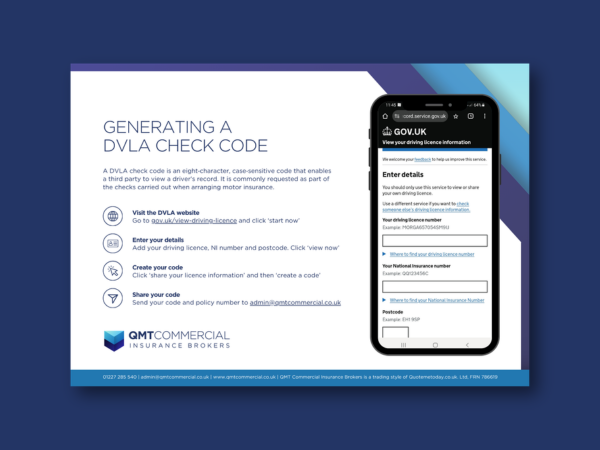
Generating a DVLA Check Code guide
Discover how to generate and share a DVLA check code online with this handy guide.
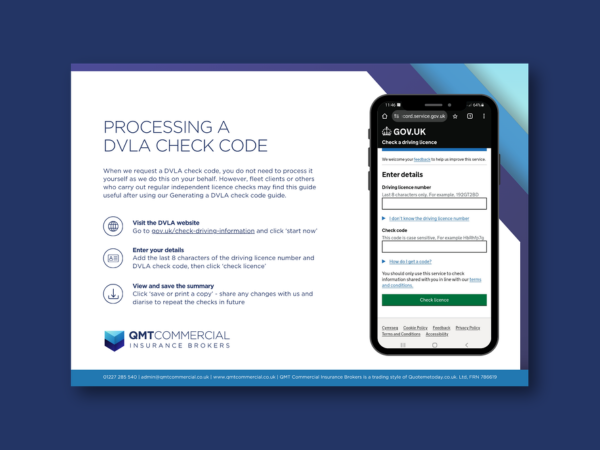
Processing a DVLA Check Code guide
If you need to run a licence check independently of QMT, we’ve got you covered with step by step tips.
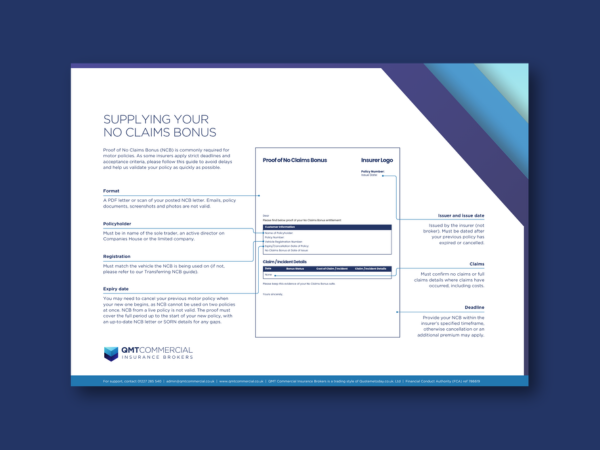
Supplying your No Claims Bonus guide
Help avoid delays validating your policy by checking out our No Claims Bonus acceptance criteria.
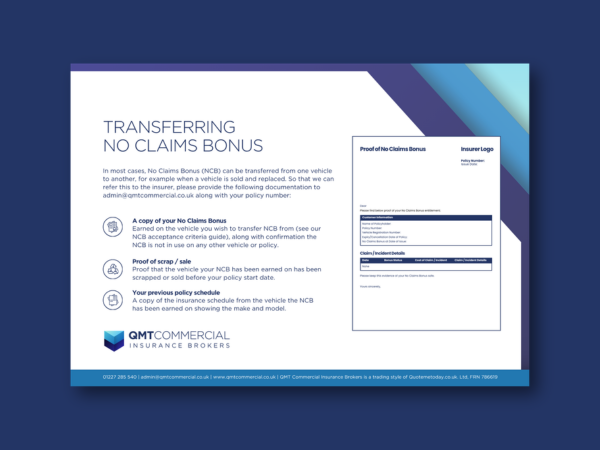
Transferring your No Claims Bonus guide
Looking to transfer No Claims Bonus from a sold vehicle? Here’s the documentation we need.
Claims toolkit
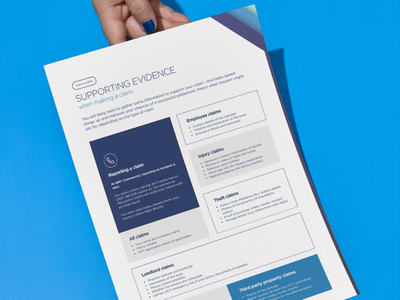
Supporting evidence for your claim
Our guide breaks down the types of supporting evidence you might need for different claims.
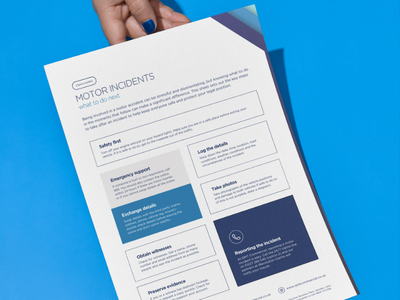
Motor incident tips – what to do
Our simple tips cover what you should do if you’re ever involved in a motor incident.
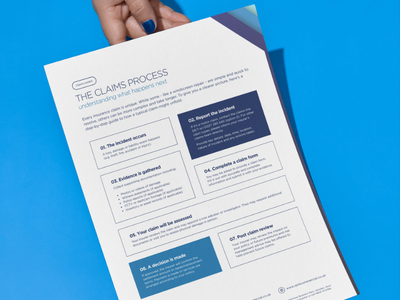
Understanding the claims process
Claims can be complex, so we’ve outlined the key stages so you know what to expect next.
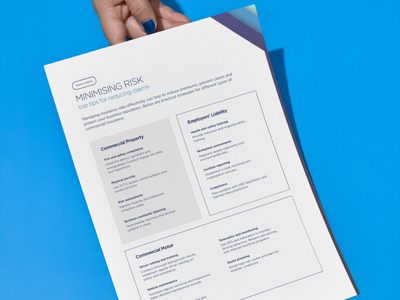
Top tips for minimising commercial risk
Take proactive steps to minimise risk and help to prevent claims from occurring.
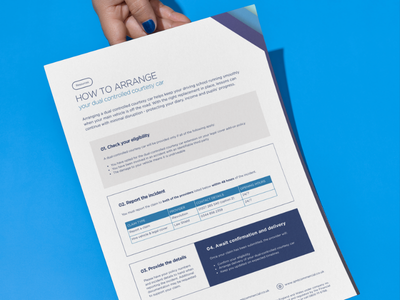
Drive school courtesy car guide
If you have opted for our dual controlled courtesy car extension, here’s how to arrange one.
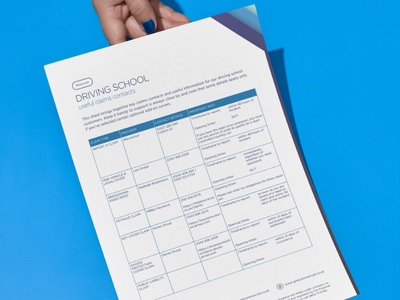
Drive school useful claims contacts
Useful for our driving school customers, this guide details all your claims numbers in one place.
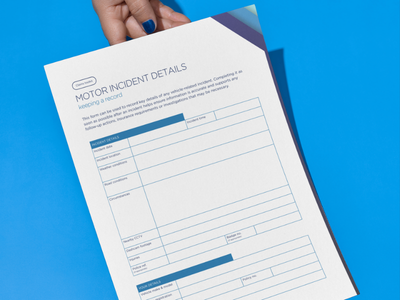
Motor incident details log form
Record accident details while they’re fresh in your mind with our motor incident details form.
Reporting claims promptly guide
Our simple guide highlights just why it’s so important to act quickly when an incident occurs.
Adjustment request forms
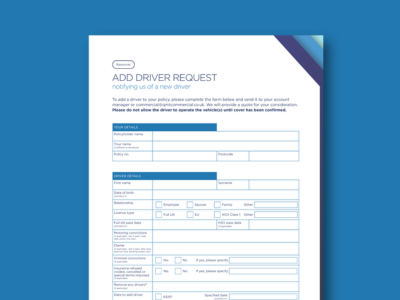
Add driver request form
Not sure what information we need to add a driver to your policy – why not fill out our simple form?
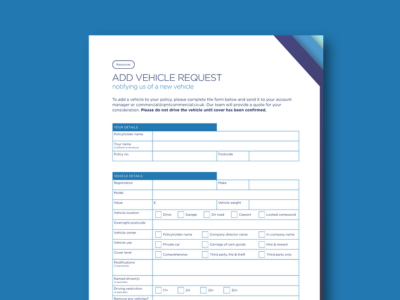
Add vehicle request form
Not sure what information we need to add a vehicle to your policy – why not fill out our simple form?
Checklists
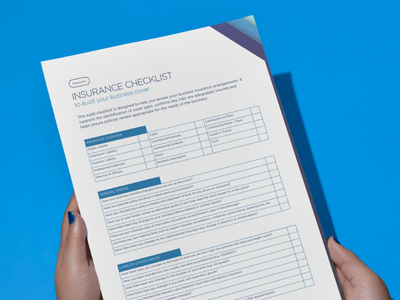
General insurance checklist
Want to perform a health check on your insurance arrangements? Why not try our insurance audit?
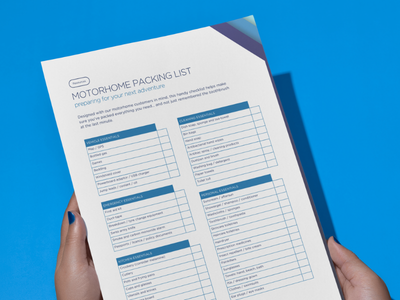
Motorhome packing checklist
Designed for our motorhome customers, this packing list helps you prepare for your adventure.
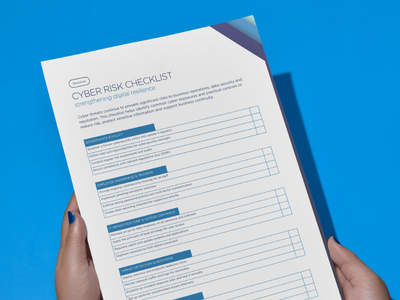
Cyber risk checklist
Cyber threats continue to affect businesses of all sizes – minimise your risk today.
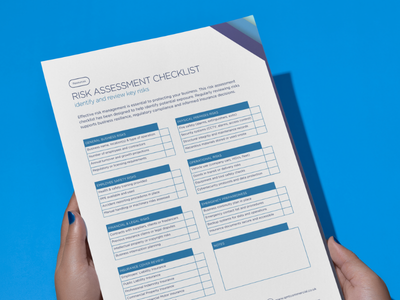
Risk assessment checklist
Identify potential business risk exposure to help protect your operation.
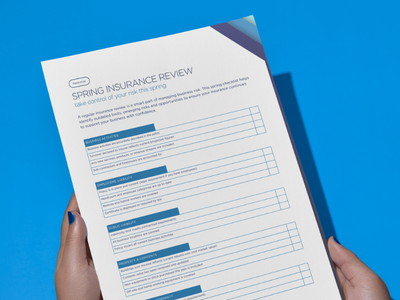
Spring insurance review
A spring clean isn’t just for at home. Give your business cover a freshen up too.
MID
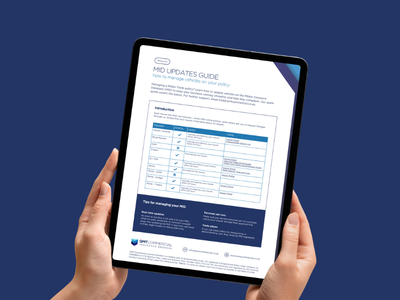
MID guide
A basic introduction to managing your Motor Trade policy via the MID portal.
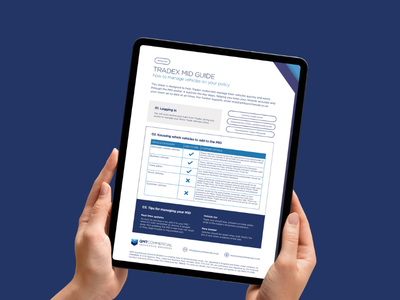
Tradex MID guide
Specifically for Tradex Motor Trade policyholders, this guide advises how to stay MID compliant.
Severe weather related risks
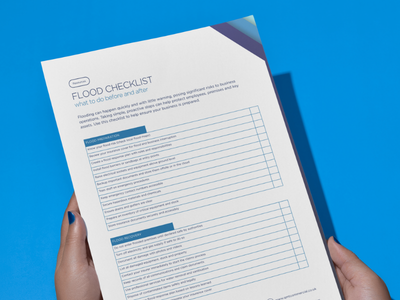
Flood checklist
Get flood prepared and ready for recovery with our flood checklist for businesses.
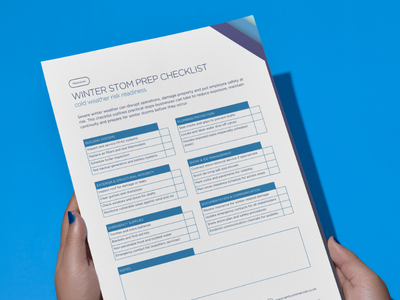
Winter storm checklist
When cold weather’s on the way, get ready with our winter storm prep checklist.
Driving in the heat tips
Here’s our top tips for your journey on those rare occasions when the sun has got his hat on.

Driving in extreme weather tips
Our basic tips for driving in extreme weather conditions such as snow, ice and heavy rain.
Driving in stormy weather tips
Driving when the weather turns can be daunting – here are some tips to help stay safe.
Protecting your business against heat tips
Are you prepared for the summer? Here’s how to protect your buildings and staff during a heatwave.
Protecting against floods tips
Know what to do when flooding is possible? We share useful tips on how to prepare and recover.

Driving in winter tips
Snow and ice make driving risky – here’s some advice if you have to travel.
General insurance advice, tips & resources
Being more fuel efficient tips
With the cost of living ever increasing, it’s never been more important to be economic with fuel.
Business insurance myths, explained
Let’s debunk some common business insurance myths to tell fact from fiction.
Road safety week
This Road safety week, we’re sharing advice on how to protect yourself and others on our roads.
Underinsurance guide
Not sure how underinsurance could affect you? Check out our guide.
Money saving tips
How to save money on your fleet insurance
Every penny counts when running a business – follow our tips to help reduce your fleet cover costs.
How to save money on your ADI/PDI cover
Looking to save money on your ADI or PDI cover? Here are some ideas to get you started.
How to save money on your trade cover
Check out our tips on how to reduce your motor trade premiums.
Cyber risk tips
A beginner’s guide to cyber insurance
Want to understand the basics of cyber cover? Check out our beginner’s guide.
Why you should consider cyber insurance
We break down the key reasons why your business should consider having cyber insurance.
Is your industry at risk from cyber crime?
A summary of how each sector is exposed to cyber risks along with their potential impact.
How to protect your business from phishing
Let’s take a closer look at phishing and how you can prevent this cyber risk.
How to prevent a malware attack
Our guide covers what malware is and more importantly, how to avoid it.
Creating strong passwords to reduce risk
You can reduce cyber risks by using strong passwords – here’s how.
How to prevent a ransomware attack
Follow these tips to help prevent ransomware attacks affecting your business.
Myths and facts
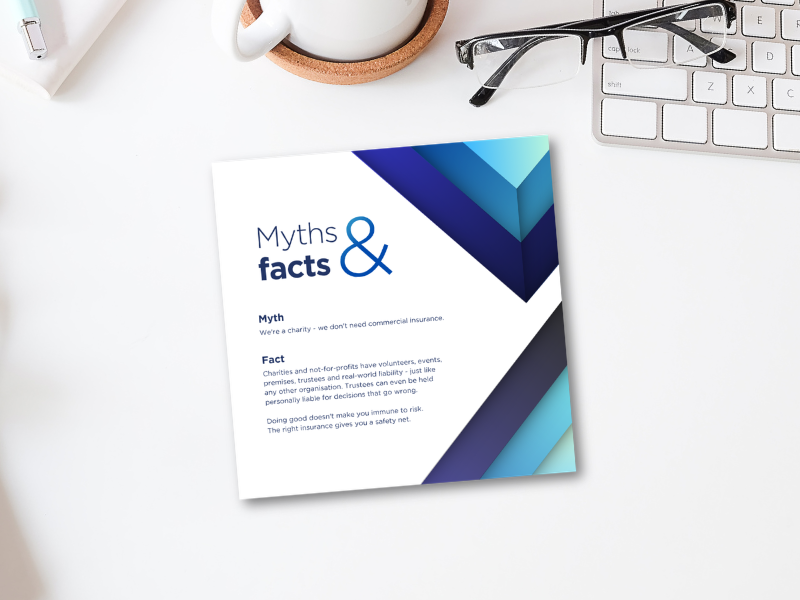
Myths and facts
Our myths and facts series explores common commercial insurance misconceptions and sets the record straight.
Myths and facts
Our myths and facts series explores common commercial insurance misconceptions and sets the record straight.
Myths and facts
Our myths and facts series explores common commercial insurance misconceptions and sets the record straight.
Frequently asked questions
Quotations
What types of insurance can you arrange?
At QMT Commercial Insurance Brokers, we can source insurance deals for a wide range of professions - whether you're a motor trader, driving instructor or run another business.
Our commercial team offers an array of products including, but not limited to:
- Employers’ Liability, Public Liability, and Products Liability
- Professional Indemnity
- Commercial Vehicle, Courier, HGV, Fleet, and Minibus cover
- Premises, Contents, and Stock insurance
- Contractors All Risks
- Property Owner / Landlord insurance
Plus, we partner with organisations who provide Travel Insurance and Short Term Vehicle Insurance.
Do you offer Add-On cover?
Yes, we offer a range of useful Add-On covers to compliment your policy. These depend on the type of policy you purchase but can include breakdown, excess protection, key cover, legal expenses cover, pothole protection and much more. Speak with your advisor for details.
How quickly can you provide a quotation?
It depends on your needs and the insurers we can approach - sometimes we can provide instant quotes over the phone. More often, we’ll search our panel and call you back with the most suitable options. For more complex cases, we may need to prepare a risk presentation for the insurer. Your deadlines matter to us - we’ve even arranged urgent cover within an hour, late on a Friday afternoon! Whatever your timeline, we’ll move as quickly as possible to help.
Can I start my policy straight away?
In most cases, your policy can start right away as soon as you give the go-ahead and we complete our scripting process. Some products, like breakdown, usually begin the next day - just ask us for details.
How long are quotes valid for?
Quotations are typically valid for 30 days - some exclusions may apply.
Quotations
Can I get a quote for someone else?
If you need to obtain a quote on behalf of a company or third party, we will need to speak directly with the policyholder or director for consent. Be sure you have all key details to hand, as missing information can lead to extra costs, cancellation or your policy being voided.
How much will my policy cost?
Why has my insurance premium gone up since last year?
Insurance premiums can shift based on your circumstances and the risks around you. For motor insurance, pricing factors include your vehicle’s make, model, age, and value; where it’s kept; your location and risk history; past claims; and any changes to drivers (like adding someone with less experience or convictions). External factors - like inflation or higher repair costs - can also affect rates. At QMT Commercial Insurance Brokers, we’re committed to finding the right balance between quality of cover and great value and welcome feedback on our quotations to see if we can negotiate further with our insurer panel.
How can I reduce my insurance premium?
While some insurance risk factors are out of your hands, there’s plenty you can do to keep your premiums in check, including:
- Work with a dedicated broker - they can compare cover levels, prices and even unlock broker-only deals you won’t find on comparison sites.
- Don’t wait until the last minute - arrange your insurance 2-3 weeks ahead of your renewal date.
- Remember: Cost isn’t everything. Make sure your policy gives you the right level of cover for your needs - real value comes from the right fit, not just the lowest premium.
- If claims are rare, consider a higher voluntary excess (if you can afford it) - you’ll pay more in the event of a claim, but could benefit from lower regular premiums.
- Add-ons like breakdown or legal cover can be good value - just be sure they match your genuine risks and requirements.
- Proactive risk management pays off. Enhance staff training and safety procedures to help avoid claims and boost your no-claims bonus.
- Use security features - such as vehicle tracking or telematics; some insurers offer discounts for extra protection.
- For motor cover, maintain a strong driving record and recruit experienced drivers. Avoiding drivers with convictions or limited experience can help manage costs.
- Skip vehicle modifications unless absolutely necessary, as they often lead to higher premiums.
- If cashflow allows, pay your premium up front instead of by direct debit to save on interest.
- Encourage safe, defensive driving to help your team anticipate hazards and reduce accident risk.
- Keep health and safety policies front and centre - they can help protect your people and your bottom line.
- Combining policies (like employers' liability and public liability) can sometimes lower costs versus buying each separately.
Can I protect my No Claims Bonus?
Policy management
Where are my policy documents?
Your full welcome pack is typically sent within two working days of your policy going on cover. If you need your documents more urgently, please contact your account manager or call our Client Relationship Team on 01227 285 540 for assistance.
Why have you requested documents from me?
Sometimes your insurer will need supporting documents, like driving licences or proof of no-claims bonus, to complete due diligence. We’ll let you know which documents are needed when you purchase the policy and send friendly reminders if anything is outstanding. Please send your documents promptly - delays could lead to extra charges or even policy cancellation.
Find out more about the types of documentation insurers commonly request.
What criteria does my proof of no claims bonus need to meet?
No Claims Bonus (NCB) requirements can vary by insurer, but here’s what you’ll usually need:
- NCB should be issued within the last two years - ideally matching your new policy start date with no gaps in cover.
- Always provide a formal NCB letter from your insurer. Letters from brokers may be rejected unless they are clearly authorised by the insurer to issue this on their behalf.
- Avoid using email confirmations or screenshots; insurers prefer a formal letter on headed paper.
- The NCB must be earned on the appropriate vehicle and shown in the name of the policyholder, company or active director.
- NCB can only be used on one policy at a time unless your insurer allows for mirroring, so you may need to cancel your old policy if the same vehicle is now insured elsewhere.
- Most insurers won’t accept pre-issued NCB letters (issued before your policy expires) because late claims might be missed.
If you have any queries about the documentation requested, please contact our Client Relationship Team by emailing admin@quotemetoday.co.uk or call 01227 285 540.
Please refer to our documents guide or Knowledge Hub for more information.
My no claims bonus is more or less than what I thought - what happens next?
This can vary by insurer, but usually the no claims bonus (NCB) levels can be corrected and we’ll let you know if there’s a change in your premium.
However, some insurers do have minimum criteria - if you claimed one year of NCB but actually have none, your policy could be cancelled. Keep in mind, many insurers also set a maximum cap on NCB (e.g. benefits stop at five years, so extra years won’t further reduce your price). Speak to our Client Relationship Team if you have any concerns.
Can I leave my previous policy running?
To avoid complications, don’t let your old and new policies overlap if they cover the same risk. Overlaps can lead to claim delays or liability disputes between insurers - and with motor insurance, your no-claims bonus can only apply to one policy at a time. For a smoother experience and to protect your no claims discount, you may need to cancel your previous policy if the same vehicle is now insured elsewhere.
How do I make a change to my policy?
If you require an urgent amendment, the best way to contact us is by phone on 01227 285 540 (Head office) or 01233 222 562 (Ashford branch). If your amendment is less urgent, you can email:
Commercial (e.g. fleet, liability, HGV): commercial@qmtcommercial.co.uk
Drive School: driving.school@qmtcommercial.co.uk
Motor Trade: motortrade@qmtcommercial.co.uk
Always wait for confirmation before taking action - don’t drive a newly added vehicle or allow a new driver to drive the vehicle until your cover is officially in place.
How do I add or remove vehicles on my Motor Trade policy?
It’s easy to manage the vehicles on your Motor Trade policy, with some insurers giving direct access for you to make changes whenever you need to. If you don’t currently have access to your insurer’s MID portal, please email mid@qmtcommercial.co.uk and we’ll help you get set up.
How do I cancel my policy?
To cancel your policy, simply email us at admin@qmtcommercial.co.uk, as written requests are often required by insurers. Please include your preferred cancellation date and, if you hold multiple policies, specify the policy numbers. You may wish to check estimated cancellation figures beforehand, so you can make the right decision for your business - contact our Client Relationship Team on 01227 285 540 and they will provide a calculation as soon as possible for your consideration.
Policy management
Why has my insurer issued a cancellation notice?
Your insurance policy could be cancelled if certain requirements aren’t met - examples include:
- Missed deadlines - like not sending in proof of your no claims bonus
- Inaccurate or incomplete information provided at quote stage
- No longer meeting risk criteria (e.g. fleet policies falling below the minimum number of vehicles)
- Missed payments
- Fraud or misuse of the policy
Insurers usually issue a seven-day cancellation notice, but if you resolve the issue within the notice period - such as submitting paperwork or making a payment - your cover could continue at their discretion.
What are the consequences of a cancelled insurance policy?
If your insurance policy is cancelled, you’ll need to let both your current and future insurers know - this is considered a material fact and can affect your ability to get cover or the price you pay in the future. Keep in mind, the insurer that cancelled your policy may not be willing to insure you again.
Be upfront with your advisor about all the details. This helps us secure suitable quotes and avoid unnecessary surprises down the line.
Remember: cancellation fees may be taken and you may not be entitled to a refund if your policy is on a ‘minimum and deposit’ basis or you have an outstanding claim. If your motor insurance is cancelled mid-term, you won’t earn your no claims bonus or Confirmed Claims Experience (CCE) for that year.
What is a policy voidance?
A policy voidance is a serious action which can be taken when key information hasn’t been disclosed, fraud is detected, or a policy is misused.
If your policy is voided, it’s as if that insurance never existed - you’re left without cover and fully responsible for any costs if something happens during that period.
You’ll need to tell both current and future insurers about a voided policy. This can affect your chances of getting new cover and may lead to higher premiums or fewer options.
Depending on the circumstances, insurers may also retain the premium if your policy is voided.
How do I check the driving record of my drivers?
For policies with an 'any driver' restriction, regular licence checks are essential. Some insurers set points limits before a driver must be named (subject to certain motoring offences), while others require any drivers with points to be declared.
First, ask your driver for a copy of the front and back of their licence and a personal DVLA check code - they’ll need to generate this themselves using our Generate a DVLA Check Code guide. Remember, the DVLA summary is personal data, so always get their permission, preferably in writing. If we have requested a DVLA check code, please provide the 8 digit case sensitive code along with a copy of the front and back of the licence and your policy number, to admin@quotemetoday.co.uk.
If you are checking the licences independent of a request from QMT Commercial, once you have the DVLA code, follow our Process a DVLA Check Code guide to access the summary. Simply compare the licence details with your policy documents - check for exact name matches, pass dates, date of birth and motoring convictions - and update us if there are any changes or discrepancies.
Can someone manage the policy on my behalf?
Whether you're a vulnerable customer needing support or a busy business owner looking to delegate, we're happy to deal with your nominated contact. Please note that the policyholder or a company director will need to provide explicit consent, as well as confirming their preferred contact details if they're different from the policy record.
I'm a vulnerable customer - how can you help?
Will my policy automatically renew?
General information
Why should I use an insurance broker?
For small to medium businesses (SMEs) facing tight budgets and evolving risks, having a broker can help make the difference between adequate protection and being left exposed. With more than 20 years of experience, QMT Commercial Insurance Brokers helps businesses across the UK navigate complex insurance issues and secure the right cover. Our advisors will compare quotes and cover on your behalf - including broker-only deals that you won't find on price comparison sites, Our aim is to not only to find you the cover you need, but to save you time and money too. For a quotation, call our friendly team on 01227 285 540 (Head Office) or 01233 222 562 (Ashford branch).
What is an 'independent broker'?
How do I know whether you are a reputable broker?
What are QMT Commercial's mission and values?
As an independent insurance broker, we aim to provide businesses and individuals with insurance solutions that deliver peace of mind, genuine protection and lasting value - from the moment you purchase your policy, through every stage of your cover and even after your policy ends. At QMT Commercial Insurance Brokers, we put our customers' needs at the heart of everything we do. From clear, impartial advice to practical insurance tips, we’re here to help as your trusted broker.
What are your opening hours?
Our Head Office and Ashford branch are open Monday to Friday, 9:00AM to 5:30PM, excluding bank holidays.
Are you open at weekends?
Our offices are closed at the weekend, but you can still contact us during the week and request a policy or amendment to start over the weekend, so that you're never paying for extra days of cover that you don't need.
How do I get in touch?
Need a quote or want to talk through your policy? Our friendly team is here to help. Contact your advisor directly, fill out our contact form or give us a call on 01227 285 540 (Head office) or 01233 222 562 (Ashford branch).
General information
I'm local - can I come in about my quote or policy?
Whilst we do welcome walk-ins at both our Head Office and Ashford branch, it is usually best to call ahead and book an appointment so that we can ensure we have an appropriate team member available to assist you. You can call us on 01227 285 540 (Head office) or 01233 222 562 (Ashford branch) to arrange a consultation with the relevant department.
How can I stay up to date with the latest insurance tips and information?
Stay connected with us on Facebook, LinkedIn and Instagram for practical insurance tips and valuable advice. Don’t forget to subscribe to our emails too - always relevant, never spam, just the insights you need to help keep your business protected. To subscribe, simply fill in our contact form and we'll get you set up.
Do you offer any discounts?
At QMT Commercial Insurance Brokers, we’re committed to securing suitable cover for your business at a fair price and will always try to work within your budget. As a broker, we can also take advantage of access to broker-only deals. If you already have a quote, let us try to beat it with a like-for-like quotation.
Where can I find your customer reviews?
How do I make a complaint?
We always welcome the opportunity to put things right, so if you have any concerns that you'd like us to investigate, please bring the matter to our attention by calling 01227 285 540.
If you wish to make a formal complaint, you can contact us using the number above or email us at complaints@qmtcommercial.co.uk. Once you have our final response, you may be entitled to refer the matter to the Financial Ombudsman Service (FOS). You can contact the FOS by telephone on 0800 023 4567. Further information is available at www.financial-ombudsman.org.uk. If you do decide to refer any matter to the FOS, your legal rights will not be affected.
How is my private data collected and protected?
You can find out how we collect and use your data in our privacy policy.
We are committed to keeping your data secure and hold a Cyber Essentials certification - a UK government backed scheme designed to help organisations of all sizes guard against common cyber threats.
Claims
My vehicle has been involved in an incident - what do I do?
Call our third-party claims specialists, iRevolution Claims on 01227 285 540 (option 2). They will collect your details and notify your insurer - just have your policy information handy when you call. You can report a claim at any time - 24 hours a day, seven days a week, including bank holidays.
There's no need to call your insurance company as our partners at iRevolution Claims will notify them with an initial report on your behalf.
You should generally report every incident, even if you don’t plan to claim - you can mark it as ‘information only’. This gives your insurer a head start if the other party takes action, giving them the opportunity to help control costs.
A third party has made a claim against me - what do I do?
If you’re approached by a third party or their representatives about a motor claim, be sure to notify our third-party claims team, iRevolution, straight away on 01227 285 540 (option 2). You may also be required to share any documents received with your insurer’s claims team so they can respond appropriately. Alternatively, for non-motor incidents, please contact your insurer's claims team directly.
Avoid discussing the matter with the third party or admitting liability - let your claims team handle the conversations for you.
If you disagree with the claim or believe the incident didn’t occur, gather any evidence you have (such as driver or witness statements, or telematics data) to support your position.
Should I claim if my damage/loss is minimal?
Submitting a claim can affect your future insurance premiums and could impact your No Claims Discount (on applicable policies). If the damage or loss is minor and there is no third party involved, you may wish to consider whether handling repairs or replacements yourself could save money in the long run instead of claiming through your insurance.
Remember: Some insurers may specify that all incidents are reported, even if you're not intending to claim. If a third party is involved, always report the incident - even if you’re not claiming - so your insurer's claims team is ready to take action if the third-party makes a claim.
How can underinsurance affect my claim?
Underinsurance typically occurs on non-motor policies when the sum insured is less than the true value of your assets and can have a significant impact in the event of a claim. Many insurers use something called the “average clause,” which means your payout is reduced proportionate to the level of underinsurance, regardless of the size of the claim.
For example, if your insured sum is £100,000, but the actual value is £200,000, you are underinsured by 50%. When you come to claim for an item worth £15,000, your insurer may apply the average clause, with your payout being 50% of this amount, so you would only receive £7,500.
Do I need to report an incident to the police?
In some situations, reporting an incident to the police is a legal requirement or important for your insurance claim (e.g. if you need a crime reference number). Here’s some instances when you should take action:
- If you’re in a motor incident and can’t exchange details or if the other party is uninsured
- When anyone is injured, such as in a traffic collision
- If your insured item is stolen
- If your insured property is damaged by suspected arson
- In cases of vandalism or malicious damage
When should I file a claim?
You should report a claim as soon as possible after the incident occurs. However, if it's an emergency, such as a fire or traffic collision, safety must be your first priority.
Be aware, some insurers have specific time limits for reporting (e.g. within 24 hours of the incident).
How do I report a claim?
For motor claims, please call our trusted partner, iRevolution Claims on 01227 285 540 (option 2). They will collect your details and notify your insurer - just have your policy information handy when you call. You can report a claim at any time - 24 hours a day, seven days a week, including bank holidays.
There's no need to call your insurance company as our partners at iRevolution Claims will notify them with an initial report on your behalf.
For non-motor claims, please notify your insurer's claims team directly. You can typically find their details in your policy wording documentation.
You should generally report every incident, even if you don’t plan to claim - you can mark it as ‘information only’. This gives your insurer a head start if the other party takes action, giving them the opportunity to help control costs.
What documents are required to support my claim?
Common documents include:
- Policy details
- Proof of loss (photos, receipts)
- Police report (if applicable)
- Repair estimates
You can find out more about the evidence you may be asked to provide in our Claims Toolkit.
How long does it take to process a claim?
Processing times vary by insurer and claim type. For example a windscreen claim is usually dealt with fairly quickly, whereas third party disputes may take longer. For updates and estimated timeframes, please speak with your insurer's claims team direct.
Will I have to pay an excess?
Yes, if your policy includes an excess, you’ll pay that amount before the insurer covers the rest.
If you have also opted for a voluntary excess, you will also be liable for this amount.
Why has my claim been rejected?
Claim rejections can happen for several reasons and the exact cause depends on your insurer and the details of your policy. Common reasons include:
- Policy exclusions: The claim might involve something your policy doesn’t cover (e.g. certain types of damage, driver restrictions or geographic limits).
- Incomplete or incorrect documentation: Missing paperwork, inaccurate details or failure to provide supporting evidence can lead to rejection.
- Late notification: Many insurers require claims to be reported within a specific timeframe. Delays can invalidate the claim.
- Non-compliance with policy terms: For example, if the vehicle wasn’t maintained as required or if the driver didn’t meet licensing requirements.
- Fraud or misrepresentation: If the insurer suspects inaccurate information or intentional misrepresentation, they may deny the claim.
If your claim has been rejected and you dispute the reasons for doing so, you may be able to appeal the insurer's decision.
What happens if the damage exceeds my cover limit?
If the damage exceeds your cover limit, here’s what typically happens:
- Insurer pays up to the limit: Your insurance company will only pay the maximum amount stated in your policy (the cover limit). Anything beyond that is your responsibility.
- You cover the shortfall: You’ll need to pay the remaining amount out of pocket. For example, if your limit is £50,000 and the damage costs £70,000, you’d pay £20,000 yourself.
- Possible impact on repairs or settlement: If you can’t cover the shortfall, repairs might be delayed or incomplete, or the claim could be settled for less than full restoration.
Can I choose my own repair shop?
Some insurers will allow you to opt for a company of your choice. However, others may have preferred providers. Always check with your insurer's claims team before committing to any work that you expect to be covered by the claim.
Will I need to attend court?
Whether you’ll need to attend court depends on the circumstances of the claim and any disputes involved:
- Liability dispute: If there’s disagreement over who was at fault (e.g. in an accident) and negotiations fail, the case could go to court.
- Third-party injury or damage claims: If someone sues you or your company for damages beyond what your insurer covers, you may need to appear.
- Fraud allegations or serious breach of policy: If the insurer suspects fraud or a major breach, they might escalate the matter legally.
- Large financial disputes: High-value claims, especially those exceeding cover limits, sometimes end up in litigation.
General information
Will I get a courtesy car?
Whether you get a courtesy car depends on the terms of your policy. Here’s what usually applies:
- Included in comprehensive cover: Some comprehensive policies include a courtesy car as standard, but often only for private cars - not always for HGVs or commercial vehicles.
- Optional add-on: Many insurers offer courtesy car cover as an optional extra. If you didn’t select this when buying the policy, it may not apply.
- Availability conditions: Usually provided only while your vehicle is being repaired at an approved garage. This is not always available if the vehicle is written off or stolen.
- Type of vehicle: For HGV insurance, a “courtesy car” is rare. Instead, some policies offer a replacement vehicle or loss of use cover, which helps with hiring another truck.
My vehicle has been declared a total loss - what happens now?
When your vehicle is declared a total loss, it means the cost of repairs is higher than the vehicle’s market value or the insurer’s threshold for repair. Here’s what usually happens next:
- Settlement offer: The insurer will calculate the current market value of your vehicle (not the purchase price). They’ll deduct any policy excess and possibly salvage value if you keep the vehicle.
- Ownership transfer: If you accept the payout, the insurer usually takes ownership of the vehicle. If you want to keep the vehicle, you can often do so, but the payout will be reduced by the salvage value.
- Finance considerations: If the vehicle is on finance or lease, the payout goes to the finance company first. If the payout doesn’t cover the outstanding finance, you’ll need to pay the difference.
- Replacement options: You can use the payout to buy a replacement vehicle. Some policies include new-for-old replacement if the vehicle is under a certain age.
- GAP insurance: If you have GAP insurance, it can cover the shortfall between the insurer’s payout and the original purchase price or finance amount.
My car has been written off - do I still need to pay my premium?
Yes, in most cases you still need to pay your premium even if your car has been written off. Here’s why:
- Premium covers the entire policy term: Your insurance contract is for a fixed period (usually 12 months), and the premium is for that whole term, not just while the car is drivable.
- Outstanding balance: If you pay monthly, the insurer may require you to settle the remaining balance because the policy has already provided cover up to the point of the write-off.
- Possible exceptions: Some insurers cancel the policy after a total loss and deduct any unpaid premium from your payout. If you have Gap Insurance or replacement cover, the process might differ.
What is the difference between a loss adjustor and a loss assessor?
Loss adjustors and loss assessors are typically used on large, non-motor claims.
Loss adjusters are specialists hired by insurers to investigate complex or significant claims. Although paid by the insurer, they remain impartial - assessing losses and recommending fair settlements based on policy terms and industry best practices. If a claim involves specialist knowledge, they’ll consult or bring in the right experts to ensure everyone - insured and insurer - gets a fair outcome.
A loss assessor is a claims expert who works on your behalf - handling negotiations for a fee (often a percentage of your claim) to help you obtain a fair settlement.
Will my premium go up if I make a claim?
Your renewal premium may be affected by a claim, but this depends on the type of policy and claim details. In the run up to your renewal date, your insurer will review the policy carefully before confirming their renewal quotation.
As a broker, we can help you to compare this against quotes from other suitable insurers on our panel.
If I decide not to claim will it still affect my premium?
Simply deciding not to claim generally doesn’t increase your premium, unless the third party makes a claim.
However, the incident could still be recorded on your file and shared on industry databases like CUE (Claims and Underwriting Exchange). This can influence future quotes because insurers see it as a risk indicator.
Must I still report it if I do not make a claim?
Whether you must report an incident if you don’t make a claim depends on your policy terms and the nature of the incident:
- Policy requirement: Most UK insurers require you to report any accident or damage, even if you don’t intend to claim. This is because they need an accurate risk record.
- Third-party involvement: If another person or vehicle was involved, you almost always have to report it. Failure to do so could invalidate your cover if they later claim against you.
- Minor damage, no other party: If it’s something small (like a scratch) and you’re fixing it privately, some policies allow you not to report - but check your wording carefully.
Why are theft, fire and vandalism claims recorded as fault?
Here’s why theft, fire and vandalism claims are usually recorded as fault:
- “Fault” doesn’t always mean you’re to blame: In insurance terms, a fault claim means your insurer cannot recover the costs from another party. It’s about liability for payment, not personal blame.
- No third party to claim against: If your car is stolen, set on fire or vandalised, there’s usually no identifiable person or insurer to recover costs from. Since your insurer bears the full cost, it’s logged as a fault claim.
- Impact on premiums: Even though you’re not at fault, the claim still signals risk to insurers, so it can affect your future premiums. If you have protected No Claims Discount (NCD), your discount may stay intact, but your base premium could still rise.
- Exceptions: If the culprit is caught and their insurer pays, your claim can be reclassified as non-fault. This is rare for theft or vandalism unless there’s clear evidence and recovery.
Will I lose my No Claims Bonus (NCB)?
Whether you lose part or all of your No Claims Bonus (NCB) depends on a few factors:
- If you make a claim without protected NCB: Your NCB will usually reduce or reset to zero after a fault claim.
- If you make a claim with protected NCB: You can make a certain number of claims (usually 1–2 in a policy year) without losing your NCB, but your premium may still rise.
- Fault claims: NCB is affected because your insurer pays and cannot recover costs.
- Non-fault claims: If your insurer recovers all costs from the other party, your NCB usually stays intact.
- Theft, fire, vandalism: These are classed as fault claims (because no third party pays), so they normally reduce your NCB unless protected.
- If you don’t claim: Your NCB remains untouched, but if you report the incident, it may still appear on your record and influence future premiums (check your policy as some insurers require you to report all incidents).
I have received correspondence from the third party - what do I do?
Receiving correspondence from a third party after an incident is important to handle carefully. Here’s what you should do:
- Do not respond directly: Avoid admitting liability or making any statements about the incident. Anything you say could be used against you later.
- Forward it to your broker or insurer's claims team immediately. Send the letter, email or any documents to your insurance company. Your insurer's claims team will have a legal department to handle third-party claims and negotiations.
- Keep copies: Keep a copy of all correspondence for your records. Note the date you received it and when you forwarded it.
- Do not delay or ignore it: Ignoring correspondence can lead to legal action or default judgments against you.
The third party has reported an injury but there was no evidence at the scene?
This situation is quite common and needs careful handling.
Injuries sometimes aren’t visible at the scene (e.g. whiplash or soft tissue injuries can appear hours or days later). The third party is entitled to report an injury later and insurers must investigate.
Here's what to do:
- Do not contact the third party directly: Avoid any discussion or denial - it could complicate liability.
- Forward the correspondence to your insurer immediately: Include any details you have about the incident.
- Provide evidence: If you have evidence suggesting no injury occurred (e.g. CCTV, dashcam footage, witness statements), share it with your insurer. They will use this to challenge the claim if appropriate.
- Let your insurer handle it: They will investigate and may request a medical report from the claimant. If fraud is suspected, they’ll escalate it.
What do I do if I suspect I was a victim of crash for cash?
If you suspect you’ve been targeted in a crash-for-cash scam, act quickly and carefully. Here’s what you should do:
- Do not confront the other party: Avoid direct contact or accusations - they can escalate the situation.
- Gather evidence: Collate dashcam footage (if available), photos of the scene (including damage and unusual behaviour), witness details (names, phone numbers) and a police report if officers attended.
- Inform your insurer immediately: Tell them you suspect a staged accident. Insurers have fraud investigation teams and will flag the claim for review. Provide all evidence you have.
- Report to authorities: You can report suspected insurance fraud to Action Fraud or the Insurance Fraud Bureau (IFB) on 0800 422 0421.
- Stay alert for follow-up: Fraudsters may send letters or make calls demanding payment - forward everything to your insurer and do not respond directly.
What happens if my vehicle is stolen?
If your vehicle is stolen, here’s what typically happens and what you should do:
- Report it immediately: Call 101 (or 999 if in progress) and get a crime reference number. Also notify your broker or insurance company as soon as possible. They’ll need the crime reference number to process your claim.
- Investigation period: Insurers usually allow time (often up to 14–30 days) for the police to try to recover the vehicle before processing the claim. During this time, they may ask for:
- Proof of ownership (V5C logbook)
- Service history
- Details of keys (how many you have and their condition)
- Finance documents (if applicable)
- Settlement: If the vehicle isn’t recovered, the insurer will pay the market value (minus any excess). If you have GAP insurance, it can cover the difference between the payout and your purchase price or finance balance.
- Courtesy vehicle: Most policies do not provide a courtesy car for theft unless you have a specific add-on. For HGVs, check if you have loss of use cover or replacement vehicle cover.
- Notify the DVLA: If the vehicle is not recovered and written off, you must inform DVLA and return the V5C.
Do I have to pay VAT on my claim?
Here’s how VAT usually works on insurance claims in the UK:
- If you’re VAT-registered: The insurer will pay the net amount (excluding VAT) for repairs or replacement. You can reclaim the VAT through your VAT return.
- If you’re not VAT-registered: The insurer will pay the full amount including VAT, because you can’t reclaim it.
Payments and finance
What payment methods do you accept?
We know business cashflow can vary, so we offer flexible payment options. Pay your policy in full over the phone, split the cost with a 50/50 deposit and stage payment next month, or choose monthly direct debit via our third-party premium finance provider (a deposit may be required). We'll help you find a payment plan that works for you.
I've missed a payment on my finance plan, what do I do?
If you are calling to pay PremFina Finance arrears, encountering payment difficulties on PremFina Finance or looking to amend finance details please call PremFina directly on 0330 165 9367.
When will I receive my refund?
General information
